Clinical Knowledge › Neurology › Epilepsy and seizures
Psychogenic non-epileptic seizures
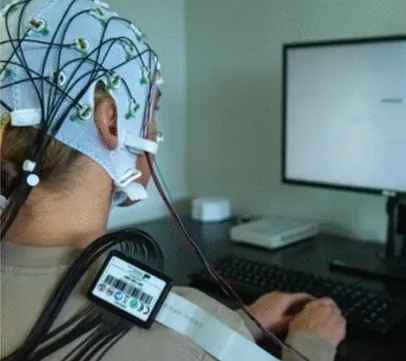
Psychogenic non-epileptic seizures (PNES), now often called functional or dissociative seizures, are paroxysmal episodes that resemble epileptic seizures but are not caused by abnormal epileptic discharges. They are a subtype of functional neurological disorder and are genuine, involuntary events, not feigning. They affect about 2–33 per 100 000 people, mostly women aged 15–35, and make up 20–30% of referrals to epilepsy clinics with apparently drug-resistant seizures. Predisposing factors include trauma, anxiety, depression and other functional symptoms, but no stressor is identified in many. Suggestive features include long duration, fluctuating asynchronous movements, side-to-side head shaking, pelvic thrusting, ictal eye closure with resistance to opening, ictal crying, and recall of the event. Video-EEG capturing a typical event with normal EEG before, during and after is the diagnostic gold standard. About 10–20% also have epilepsy. Management is a clear, positive explanation, withdrawal of unnecessary antiseizure medication, psychological therapy and treatment of comorbidities.
Patient case, mechanism, investigations, management, flashcards and exam-style questions.Open the lesson →
Key facts
- PNES are involuntary functional events, not epileptic and not malingering; terminology: functional or dissociative seizures
- About 20–30% of patients referred with drug-resistant epilepsy have PNES; average diagnostic delay is about 7 years
- Female predominance (about 3:1), onset typically 15–35 years
- Favour PNES: duration over 2 minutes, eyes closed, waxing and waning, asynchronous limb movements, side-to-side head movements, pelvic thrusting, ictal crying, memory of the event
- Favour epilepsy: eyes open, stereotyped semiology, lateral tongue bite, cyanosis, arising from EEG-confirmed sleep, injury from falls, postictal confusion
- Gold standard: video-EEG capturing a typical event with no ictal epileptiform activity (ILAE 'documented' level of certainty)
- Comorbid epilepsy in about 10–20%: do not stop all treatment without specialist confirmation
- Treatment: explain the diagnosis positively, taper unnecessary antiseizure drugs, offer psychological therapy (CBT-informed) and treat anxiety, depression and PTSD
Differential diagnosis
| Condition | Clues | Key test |
|---|---|---|
| Epileptic seizure (especially frontal lobe) | Brief, stereotyped, nocturnal from sleep, hypermotor | Video-EEG (scalp EEG may be normal in frontal seizures) |
| Convulsive syncope | Trigger, pallor, seconds of jerks | ECG, tilt test |
| Panic attack | Fear, palpitations, hyperventilation, retained awareness | Clinical |
| Paroxysmal movement disorders | Kinesigenic triggers, retained consciousness | Genetic testing (PRRT2), video |
| Hypoglycaemia | Diabetes, sweating | Glucose at time of event |
| Factitious disorder or malingering | Deliberate production with gain | Clinical inconsistency; rare |
Exam pearls
Guideline
ILAE minimum requirements for the diagnosis of PNES (2013); NICE NG217 Epilepsies (2022, including referral for non-epileptic attacks)
References
- LaFrance WC Jr, Baker GA, Duncan R, Goldstein LH, Reuber M.. Minimum requirements for the diagnosis of psychogenic nonepileptic seizures: a staged approach. Epilepsia 2013.
- Goldstein LH, Robinson EJ, Mellers JDC, et al.. Cognitive behavioural therapy for adults with dissociative seizures (CODES): a pragmatic, multicentre, randomised controlled trial. Lancet Psychiatry 2020.
- National Institute for Health and Care Excellence. Epilepsies in children, young people and adults (NG217). NICE 2022.
- Glauser T, Shinnar S, Gloss D, et al.. Evidence-based guideline: treatment of convulsive status epilepticus in children and adults. Epilepsy Curr 2016.
- Ropper AH, Samuels MA, Klein JP, Prasad S.. Adams and Victor's Principles of Neurology. 2023.
- Jankovic J, Mazziotta JC, Pomeroy SL, Newman NJ, eds.. Bradley and Daroff's Neurology in Clinical Practice. 2022.
Related topics
By Dr Khalid Seidi (B.Sc., M.D.) · MedEd World Clinical Knowledge library. Original teaching content checked against current guidelines (November 2026); confirm the latest local guidance before clinical use. Not a substitute for clinical judgement.