Clinical Knowledge › Neurology › Spinal cord disorders
Hereditary spastic paraplegia
Hereditary spastic paraplegias (HSPs) are a genetically diverse group of inherited disorders in which length-dependent degeneration of the longest corticospinal tract axons (and often the fasciculus gracilis) causes slowly progressive spasticity and weakness of the legs. More than 80 genetic loci (SPG1 onwards) are known. Autosomal dominant forms predominate in Europe and North America, and SPAST (SPG4) mutations are the commonest single cause; autosomal recessive forms such as SPG11 and SPG7 are more frequent where consanguinity is common, and X-linked forms include L1CAM and PLP1. Harding's classification separates pure HSP (spastic gait, brisk reflexes, extensor plantars, mild vibration loss and urinary urgency) from complicated HSP with additional features such as cognitive impairment, thin corpus callosum, ataxia, neuropathy, optic atrophy or epilepsy. HSP is diagnosed after excluding treatable myelopathies (MRI, B12, copper, HTLV-1, HIV, syphilis, very-long-chain fatty acids); a multigene panel or exome confirms the subtype. There is no disease-modifying therapy; physiotherapy, antispasticity drugs, botulinum toxin, bladder treatment and genetic counselling are the mainstays. Life expectancy is usually normal in pure forms.
Patient case, mechanism, investigations, management, flashcards and exam-style questions.Open the lesson →
Key facts
- HSP = inherited length-dependent degeneration of corticospinal tracts (± dorsal columns) causing progressive spastic paraparesis
- SPAST (SPG4), autosomal dominant, is the commonest cause, accounting for about 40% of dominant families
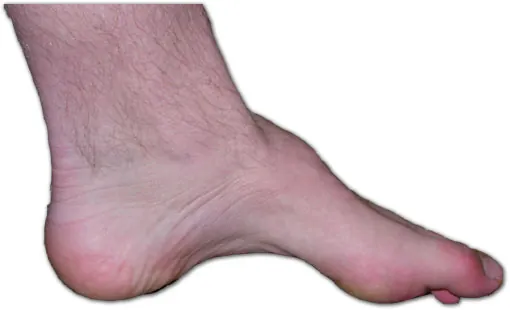
- Pure HSP: spastic gait, brisk reflexes, extensor plantars, mild distal vibration loss, urinary urgency, pes cavus
- Complicated HSP adds cognitive impairment, thin corpus callosum (SPG11), ataxia, neuropathy, optic atrophy or epilepsy
- Spasticity is out of proportion to weakness, especially in pure forms
- Diagnosis of exclusion: rule out compression, B12 or copper deficiency, HTLV-1, MS, adrenomyeloneuropathy and dopa-responsive dystonia
- Genetic confirmation with an HSP multigene panel or exome sequencing; variable penetrance and age of onset even within families
- Treatment is symptomatic: physiotherapy, baclofen, tizanidine, botulinum toxin, intrathecal baclofen, anticholinergics for bladder urgency
Differential diagnosis
| Condition | Clues | Key test |
|---|---|---|
| Degenerative cervical myelopathy | Older adult, neck pain, hand clumsiness, arm signs | MRI cervical spine |
| Primary progressive multiple sclerosis | Asymmetric, other neurological signs, older onset | MRI brain and spine lesions; CSF oligoclonal bands |
| Subacute combined degeneration or copper deficiency | Prominent dorsal column loss, anaemia, gastric surgery, zinc excess | B12, methylmalonic acid, copper, caeruloplasmin |
| HTLV-1-associated myelopathy (tropical spastic paraparesis) | From endemic area (Caribbean, Japan, Brazil, West Africa), early bladder symptoms | HTLV-1 serology in blood and CSF |
| Adrenomyeloneuropathy | Man with adrenal insufficiency, neuropathy, family history in males | Very-long-chain fatty acids; ABCD1 testing |
| Primary lateral sclerosis or ALS | Adult onset, bulbar and arm involvement, no family history | EMG for LMN involvement; progression |
| Dopa-responsive dystonia | Child with leg stiffness, diurnal fluctuation | Dramatic response to low-dose levodopa |
| Spinal dural arteriovenous fistula | Older man, stepwise myelopathy, exertional worsening | MRI flow voids; spinal angiography |
Exam pearls
Guideline
No disease-specific international guideline; practice follows expert consensus reviews (2019–2024), the AAN 2016 practice guideline update on botulinum neurotoxin for spasticity, and genetic testing standards for inherited neurological disease
References
- Shribman S, Reid E, Crosby AH, Houlden H, Warner TT. Hereditary spastic paraplegia: from diagnosis to emerging therapeutic approaches. Lancet Neurol 2019.
- Simpson DM, Hallett M, Ashman EJ, et al.. Practice guideline update summary: botulinum neurotoxin for the treatment of blepharospasm, cervical dystonia, adult spasticity, and headache. Neurology 2016.
- National Institute for Health and Care Excellence. Spasticity in under 19s: management (CG145). NICE 2016.
- Harding AE. Classification of the hereditary ataxias and paraplegias. Lancet 1983.
- Ropper AH, Samuels MA, Klein JP, Prasad S.. Adams and Victor's Principles of Neurology. 2023.
- Papadakis MA, Rabow MW, McQuaid KR, eds.. CURRENT Medical Diagnosis & Treatment 2026. 2026.
Related topics
By Dr Khalid Seidi (B.Sc., M.D.) · MedEd World Clinical Knowledge library. Original teaching content checked against current guidelines (November 2026); confirm the latest local guidance before clinical use. Not a substitute for clinical judgement.