Clinical Knowledge › Internal medicine › Rheumatology and immunology › Relevant pharmacology
JAK inhibitors
Janus kinase (JAK) inhibitors are oral targeted synthetic DMARDs that block the intracellular JAK–STAT pathway used by many cytokine receptors, including those for IL-6, interferons and the common gamma-chain cytokines. Tofacitinib, baricitinib, upadacitinib and filgotinib treat rheumatoid arthritis, and several are licensed for psoriatic arthritis, axial spondyloarthritis, ulcerative colitis, Crohn disease, atopic dermatitis, alopecia areata and, since 2025, giant cell arteritis (upadacitinib, SELECT-GCA). They act quickly and work well as monotherapy. The ORAL Surveillance trial (2022) found more major cardiovascular events, cancers, venous thromboembolism and deaths with tofacitinib than with TNF inhibitors in older RA patients with cardiovascular risk factors. Regulators therefore restricted their use in people aged 65 or over, smokers and those with cardiovascular, cancer or VTE risk unless no suitable alternative exists. Other harms include herpes zoster, infections, cytopenias, raised lipids and teratogenicity. EULAR 2025 places them after careful risk assessment.
Patient case, mechanism, investigations, management, flashcards and exam-style questions.Open the lesson →
Key facts
- JAK1, JAK2, JAK3 and TYK2 pair at cytokine receptors and phosphorylate STAT transcription factors; JAKi block ATP binding
- JAK2 blockade affects erythropoietin and thrombopoietin signalling (anaemia, thrombocytopenia); JAK3 affects γc cytokines (lymphopenia, NK cells)
- RA teaching doses: tofacitinib 5 mg twice daily, baricitinib 4 mg daily (2 mg if aged 75+ or eGFR 30–60), upadacitinib 15 mg daily, filgotinib 200 mg daily
- ORAL Surveillance: tofacitinib vs TNFi in RA aged 50+ with a CV risk factor: HR about 1.33 for MACE and 1.48 for cancer; non-inferiority not shown
- EMA 2023: in patients aged 65+, current or long-time past smokers, or with CV or malignancy risk, use only if no suitable alternative; caution with VTE risk; use lower doses where possible
- Herpes zoster risk is about double that of biologics; give recombinant zoster vaccine before starting
- Monitor FBC, LFT and lipids (at about 8–12 weeks); stop for lymphocytes below 0.5, neutrophils below 1.0 or Hb below 80 g/L
- Contraindicated in pregnancy and breastfeeding; short half-life allows rapid stopping for surgery or infection
Differential diagnosis
| Condition | Clues | Key test |
|---|---|---|
| Herpes zoster on JAKi | Dermatomal painful vesicular rash, sometimes multidermatomal | Clinical; PCR of vesicle fluid |
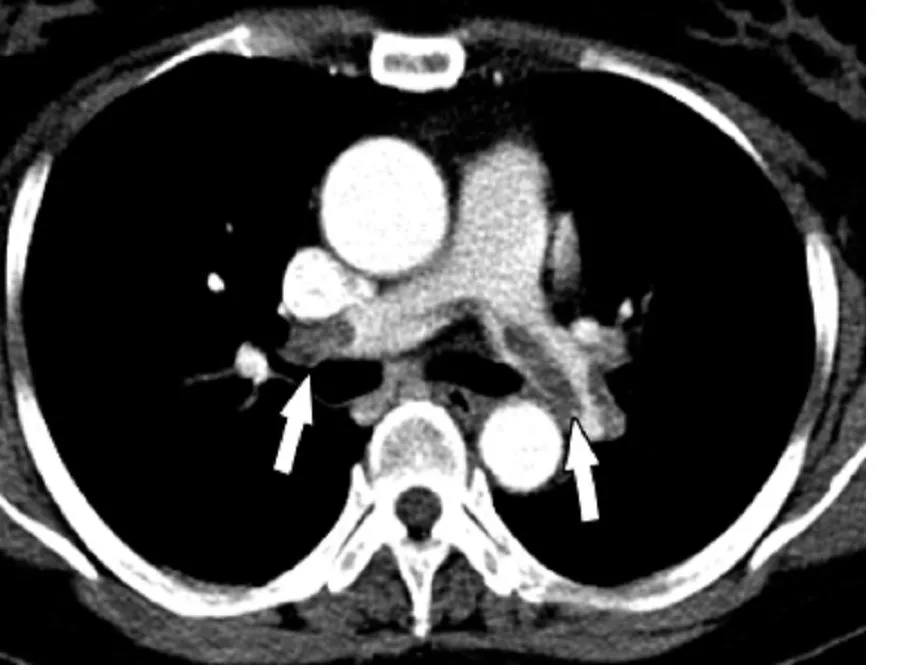
| Pulmonary embolism on JAKi | Sudden breathlessness, pleuritic pain, tachycardia | CTPA; Wells score and D-dimer |
| Deep vein thrombosis | Unilateral calf swelling | Compression ultrasound |
| Acute coronary syndrome | Chest pain in older patient with risk factors | ECG, troponin |
| Opportunistic infection (TB, PJP) | Fever, cough, weight loss | Chest imaging, IGRA, sputum and BAL |
| Drug-induced cytopenia | Lymphopenia, neutropenia, anaemia on routine bloods | FBC trend; hold drug |
| Diverticular perforation | Abdominal pain, peritonism | CT abdomen |
Exam pearls
Guideline
EULAR 2025 RA management update and EMA 2023 JAK inhibitor safety measures
References
- Smolen JS, Edwards CJ, Konzett V, et al.. EULAR recommendations for the management of rheumatoid arthritis with synthetic and biologic disease-modifying antirheumatic drugs: 2025 update. Ann Rheum Dis 2026.
- Ytterberg SR, Bhatt DL, Mikuls TR, et al.. Cardiovascular and cancer risk with tofacitinib in rheumatoid arthritis. N Engl J Med 2022.
- European Medicines Agency (PRAC). Janus kinase inhibitors (JAKi): Article 20 referral – measures to minimise risk of serious side effects. European Medicines Agency 2023.
- Laskou F, Konzett V, Smolen JS, et al.. Safety of synthetic and biological DMARDs: a systematic literature review informing the 2025 update of the EULAR recommendations for the management of rheumatoid arthritis. Ann Rheum Dis 2026.
- Blockmans D, Penn SK, Setty AR, et al.. A phase 3 trial of upadacitinib for giant-cell arteritis. N Engl J Med 2025.
- Fraenkel L, Bathon JM, England BR, et al.. 2021 American College of Rheumatology Guideline for the Treatment of Rheumatoid Arthritis. Arthritis Care Res (Hoboken) 2021.
Related topics
By Dr Khalid Seidi (B.Sc., M.D.) · MedEd World Clinical Knowledge library. Original teaching content checked against current guidelines (November 2026); confirm the latest local guidance before clinical use. Not a substitute for clinical judgement.