Clinical Knowledge › Internal medicine › Rheumatology and immunology › Relevant pharmacology
Systemic glucocorticoids in inflammatory disease
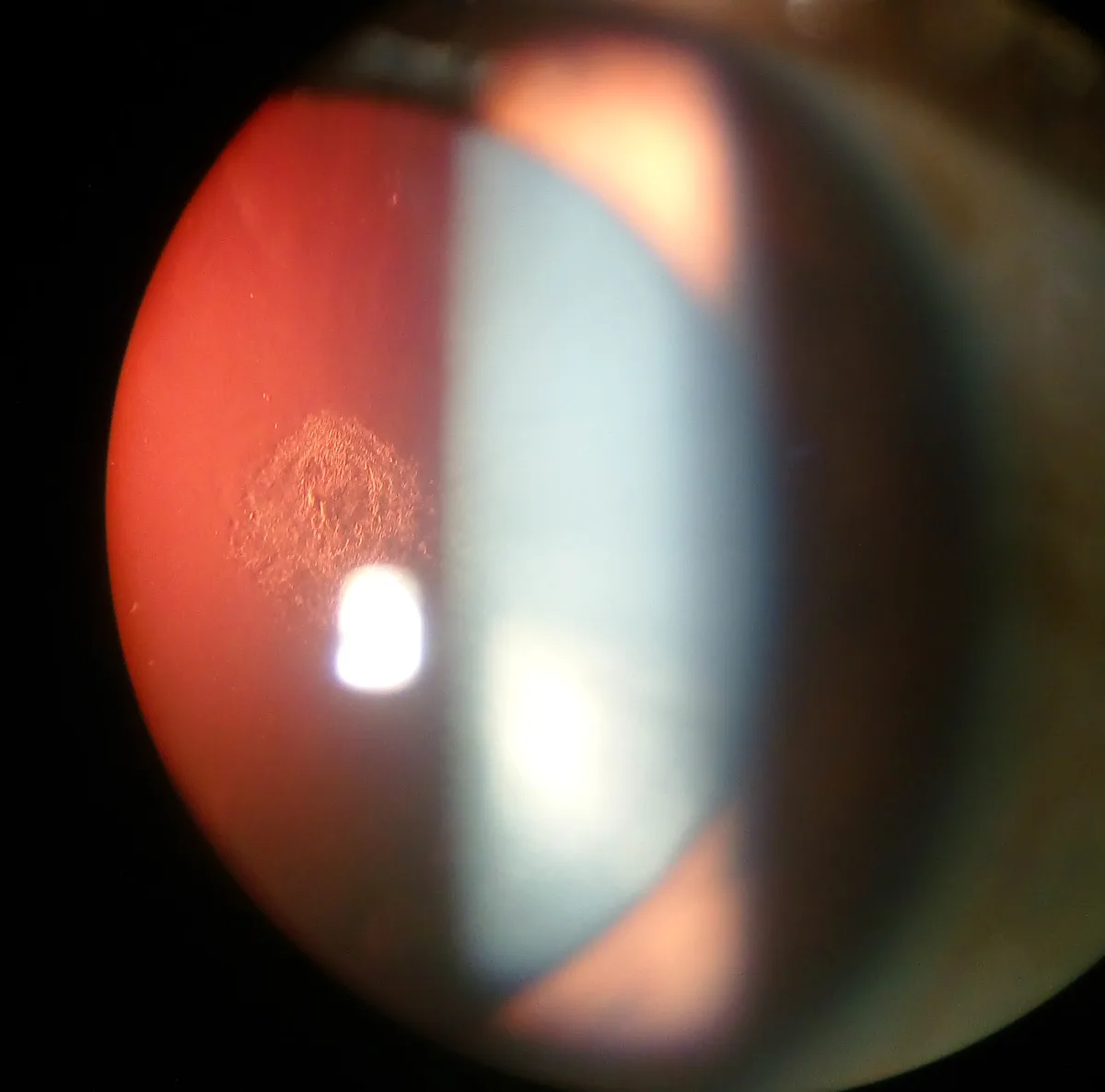
Systemic glucocorticoids (prednisolone, methylprednisolone, hydrocortisone, dexamethasone) are the fastest-acting and most widely used anti-inflammatory drugs across medicine. They bind the cytosolic glucocorticoid receptor and switch off inflammatory genes (transrepression of NF-κB and AP-1) while switching on anti-inflammatory and metabolic genes; at pulse doses they also act through rapid non-genomic pathways. Their power comes at a price that rises with dose and duration: osteoporosis and fractures, diabetes, hypertension, infection including Pneumocystis pneumonia, cataract, myopathy, mood change, avascular necrosis and suppression of the hypothalamic–pituitary–adrenal axis. Good practice is to use the lowest effective dose for the shortest time, add steroid-sparing drugs early, give bone protection, screen for infection, and issue a steroid emergency card with sick-day rules. The 2024 ESE/Endocrine Society guideline advises tapering to a physiological dose before deciding whether to test adrenal function, and never stopping long-term therapy abruptly.
Patient case, mechanism, investigations, management, flashcards and exam-style questions.Open the lesson →
Key facts
- Equivalent anti-inflammatory doses: hydrocortisone 20 mg = prednisolone 5 mg = methylprednisolone 4 mg = dexamethasone 0.75 mg
- Main genomic action is transrepression of NF-κB and AP-1 through the cytosolic glucocorticoid receptor; pulse doses add rapid non-genomic effects
- Expected blood changes: neutrophilia (demargination), lymphopenia, eosinopenia and hyperglycaemia, typically worst in the afternoon after a morning dose
- Bone loss is fastest in the first 3–6 months; start calcium, vitamin D and fracture-risk assessment, with an oral bisphosphonate for most at-risk adults (ACR 2022)
- Adrenal suppression can follow any route; NHS England (2020) asks for a steroid emergency card for prednisolone 5 mg/day or more for 4 weeks or longer
- ESE/ES 2024: taper to a physiological dose (prednisolone about 4–5 mg) and then either keep tapering slowly or test morning cortisol; double doses for febrile illness
- Consider Pneumocystis prophylaxis (co-trimoxazole) at prednisolone 20 mg/day or more for 4 weeks or longer, especially with another immunosuppressant
- Prednisolone is largely inactivated by placental 11β-HSD2, making it preferred in pregnancy; dexamethasone and betamethasone cross to the fetus
Differential diagnosis
| Condition | Clues | Key test |
|---|---|---|
| Glucocorticoid-induced adrenal insufficiency | Fatigue, nausea, hypotension after stopping or during illness | 9 am cortisol after holding the dose 24 hours; short Synacthen test if equivocal |
| Glucocorticoid withdrawal syndrome | Myalgia, arthralgia, low mood during taper with normal adrenal testing | Clinical; normal morning cortisol |
| Flare of the underlying disease during taper | Recurrent synovitis, raised CRP, objective signs | Examination, CRP/ESR, disease-specific markers |
| Steroid myopathy | Painless proximal weakness, normal CK | CK normal; improves with dose reduction |
| Inflammatory myositis | Proximal weakness with raised CK and rash | CK, myositis antibodies, MRI, EMG |
| Steroid-induced hyperglycaemia | Afternoon or evening glucose rise after morning prednisolone | Pre-evening-meal capillary glucose |
| Opportunistic infection (PJP, TB reactivation) | Fever, dry cough, hypoxia with few signs | Chest imaging, induced sputum or BAL PCR, interferon-gamma release assay |
Exam pearls
Guideline
ESE/Endocrine Society 2024 glucocorticoid-induced adrenal insufficiency guideline, ACR 2022 glucocorticoid-induced osteoporosis guideline and EULAR 2025 RA update
References
- Beuschlein F, Else T, Bancos I, et al.. European Society of Endocrinology and Endocrine Society Joint Clinical Guideline: diagnosis and therapy of glucocorticoid-induced adrenal insufficiency. Eur J Endocrinol 2024.
- Humphrey MB, Russell L, Danila MI, et al.. 2022 American College of Rheumatology Guideline for the Prevention and Treatment of Glucocorticoid-Induced Osteoporosis. Arthritis Rheumatol 2023.
- Duru N, van der Goes MC, Jacobs JW, et al.. EULAR evidence-based and consensus-based recommendations on the management of medium to high-dose glucocorticoid therapy in rheumatic diseases. Ann Rheum Dis 2013.
- NHS England and NHS Improvement. National Patient Safety Alert: Steroid Emergency Card to support early recognition and treatment of adrenal crisis in adults. NHS England 2020.
- Smolen JS, Edwards CJ, Konzett V, et al.. EULAR recommendations for the management of rheumatoid arthritis with synthetic and biologic disease-modifying antirheumatic drugs: 2025 update. Ann Rheum Dis 2026.
- RECOVERY Collaborative Group; Horby P, Lim WS, et al.. Dexamethasone in hospitalized patients with Covid-19. N Engl J Med 2021.
Related topics
By Dr Khalid Seidi (B.Sc., M.D.) · MedEd World Clinical Knowledge library. Original teaching content checked against current guidelines (November 2026); confirm the latest local guidance before clinical use. Not a substitute for clinical judgement.