Clinical Knowledge › Neurology › Infections of the nervous system
Lyme neuroborreliosis
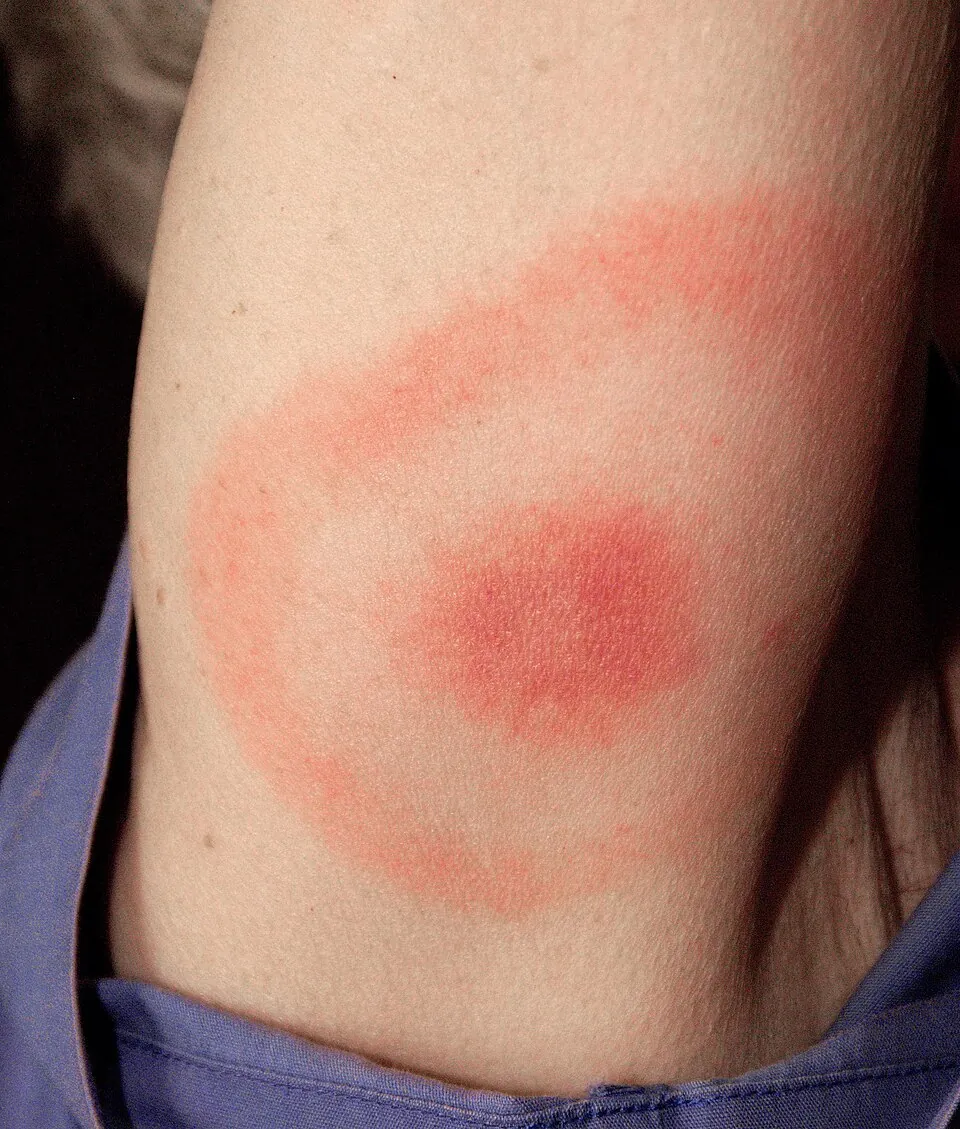
Lyme neuroborreliosis is nervous system infection by Borrelia burgdorferi sensu lato, transmitted by Ixodes ticks in temperate parts of Europe, North America and Asia. It affects about 10–15% of untreated patients, usually weeks to months after the tick bite, often without a remembered bite or erythema migrans. The classic triad is lymphocytic meningitis, cranial neuritis (especially facial nerve palsy, which can be bilateral) and painful radiculoneuritis. In Europe, Bannwarth syndrome (severe night-time radicular pain followed by focal weakness and facial palsy) is typical. Diagnosis requires a compatible clinical picture, CSF lymphocytic pleocytosis and intrathecal production of Borrelia antibodies (raised CSF/serum antibody index). Serology alone cannot distinguish active from past infection. Treatment is oral doxycycline or IV ceftriaxone for 14–21 days, which are equally effective for most presentations. Prognosis is good, though some have residual facial weakness or pain.
Patient case, mechanism, investigations, management, flashcards and exam-style questions.Open the lesson →
Key facts
- Transmitted by Ixodes ticks; risk rises with tick attachment over 36–48 hours
- Classic triad: lymphocytic meningitis, cranial neuritis (facial palsy), painful radiculoneuritis
- Bannwarth syndrome (Europe): severe radicular pain worse at night, then weakness and facial palsy
- Facial palsy can be bilateral; Lyme is a leading cause of bilateral facial palsy in endemic areas
- Definite European diagnosis: neurological symptoms, CSF pleocytosis and intrathecal Borrelia antibody production
- Oral doxycycline is as effective as IV ceftriaxone for European neuroborreliosis (Ljøstad 2008 trial)
- Treat for 14–21 days; prolonged antibiotic courses for persistent non-specific symptoms are not effective
- Serology can be negative early (first 4–6 weeks) and stays positive for years after infection
Differential diagnosis
| Condition | Clues | Key test |
|---|---|---|
| Bell palsy | Unilateral, no meningitis, no exposure history | Clinical; Lyme serology in endemic areas |
| Viral meningitis | Acute headache, fever, no radicular pain | CSF PCR (enterovirus, HSV, VZV) |
| Herpes zoster radiculitis | Dermatomal pain with vesicular rash | Clinical; VZV PCR |
| Guillain–Barré syndrome | Ascending weakness, areflexia, CSF albuminocytological dissociation | Nerve conduction; CSF |
| Lumbar or cervical disc herniation | Mechanical radicular pain, no CSF pleocytosis | MRI spine |
| Neurosarcoidosis | Bilateral facial palsy, systemic sarcoid | Chest CT, biopsy |
| Tick-borne encephalitis | Biphasic fever then meningoencephalitis in endemic Europe | TBE IgM in serum and CSF |
Exam pearls
Guideline
IDSA/AAN/ACR Lyme disease guideline (2020), NICE NG95 Lyme disease (2018) and EFNS European Lyme neuroborreliosis guideline (2010)
References
- Lantos PM, Rumbaugh J, Bockenstedt LK, et al.. Clinical Practice Guidelines by the Infectious Diseases Society of America (IDSA), American Academy of Neurology (AAN), and American College of Rheumatology (ACR): 2020 Guidelines for the Prevention, Diagnosis and Treatment of Lyme Disease. Clin Infect Dis 2021.
- Mygland A, Ljøstad U, Fingerle V, et al.. EFNS guidelines on the diagnosis and management of European Lyme neuroborreliosis. Eur J Neurol 2010.
- Ljøstad U, Skogvoll E, Eikeland R, et al.. Oral doxycycline versus intravenous ceftriaxone for European Lyme neuroborreliosis: a multicentre, non-inferiority, double-blind, randomised trial. Lancet Neurol 2008.
- National Institute for Health and Care Excellence. Lyme disease (NG95). NICE 2018.
- Penman ID, Ralston SH, Strachan MWJ, Hobson RP, eds.. Davidson's Principles and Practice of Medicine. 2022.
- Loscalzo J, Fauci AS, Kasper DL, et al., eds.. Harrison's Principles of Internal Medicine. 2022.
Related topics
By Dr Khalid Seidi (B.Sc., M.D.) · MedEd World Clinical Knowledge library. Original teaching content checked against current guidelines (November 2026); confirm the latest local guidance before clinical use. Not a substitute for clinical judgement.