Clinical Knowledge › Neurology › Demyelinating and neuroinflammatory disorders
MOG antibody-associated disease
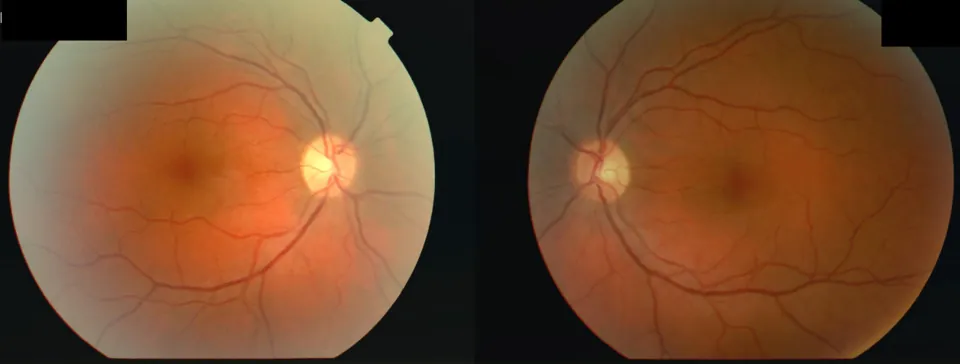
MOG antibody-associated disease (MOGAD) is an inflammatory demyelinating CNS disorder defined by IgG antibodies against myelin oligodendrocyte glycoprotein on the myelin surface. It is distinct from multiple sclerosis and AQP4-positive NMOSD, affects children more than adults and has no strong sex bias. Typical presentations are acute disseminated encephalomyelitis (especially in children), optic neuritis (often bilateral with marked disc swelling) and transverse myelitis (often longitudinally extensive with conus and grey matter involvement); cortical encephalitis with seizures also occurs. The 2023 International MOGAD Panel criteria require a core clinical event, a positive cell-based MOG-IgG assay and exclusion of better diagnoses such as MS. Attacks respond well to high-dose corticosteroids, with plasma exchange for severe attacks, and many patients recover well; steroid tapers should be slow because early relapse on withdrawal is common. About 40–50% relapse, and relapsing disease is treated with IVIG, azathioprine, mycophenolate or rituximab. MS drugs are ineffective.
Patient case, mechanism, investigations, management, flashcards and exam-style questions.Open the lesson →
Key facts
- MOG is expressed on the outermost myelin layer; MOG-IgG is detected with live cell-based assays
- Main phenotypes: ADEM (children), optic neuritis (bilateral, disc swelling) and myelitis (conus, LETM, H-sign)
- Cerebral cortical encephalitis with seizures (FLAMES) is a characteristic MOGAD presentation
- 2023 criteria: core clinical event plus positive MOG-IgG; low or unknown titres need supporting clinical or MRI features
- Unlike MS, CSF OCBs are usually absent and lesions often resolve on follow-up MRI
- Attacks are very steroid-responsive; slow tapers reduce early relapse
- About 40–50% have a relapsing course; persistent MOG-IgG seropositivity increases relapse risk
- Maintenance: IVIG (most effective in observational data), azathioprine, mycophenolate or rituximab; MS drugs are not effective
Differential diagnosis
| Condition | Clues | Key test |
|---|---|---|
| Multiple sclerosis | Ovoid periventricular lesions, Dawson fingers, OCBs, short peripheral cord lesions | MRI pattern, CSF OCBs, MOG-IgG negative |
| AQP4-positive NMOSD | Older women, area postrema syndrome, severe attacks, poor recovery | Serum AQP4-IgG |
| Idiopathic intracranial hypertension | Bilateral disc swelling with preserved acuity, headache | LP opening pressure; MRI venography |
| Infectious encephalitis | Fever, seizures, cortical changes | CSF PCR |
| Spinal cord infarction | Hyperacute onset, anterior cord syndrome | DWI MRI; vascular imaging |
| Neurosarcoidosis | Systemic disease, leptomeningeal enhancement | Chest CT, ACE, biopsy |
Exam pearls
Guideline
International MOGAD Panel proposed diagnostic criteria (Banwell et al., Lancet Neurology 2023)
References
- Banwell B, Bennett JL, Marignier R, et al.. Diagnosis of myelin oligodendrocyte glycoprotein antibody-associated disease: International MOGAD Panel proposed criteria. Lancet Neurol 2023.
- Marignier R, Hacohen Y, Cobo-Calvo A, et al.. Myelin-oligodendrocyte glycoprotein antibody-associated disease. Lancet Neurol 2021.
- Petzold A, Fraser CL, Abegg M, et al.. Diagnosis and classification of optic neuritis. Lancet Neurol 2022.
- Krupp LB, Tardieu M, Amato MP, et al.. International Pediatric Multiple Sclerosis Study Group criteria for pediatric multiple sclerosis and immune-mediated central nervous system demyelinating disorders: revisions to the 2007 definitions. Mult Scler 2013.
- Wingerchuk DM, Banwell B, Bennett JL, et al.. International consensus diagnostic criteria for neuromyelitis optica spectrum disorders. Neurology 2015.
- Penman ID, Ralston SH, Strachan MWJ, Hobson RP, eds.. Davidson's Principles and Practice of Medicine. 2022.
Related topics
By Dr Khalid Seidi (B.Sc., M.D.) · MedEd World Clinical Knowledge library. Original teaching content checked against current guidelines (November 2026); confirm the latest local guidance before clinical use. Not a substitute for clinical judgement.