Clinical Knowledge › Neurology › Demyelinating and neuroinflammatory disorders
Neuromyelitis optica spectrum disorder
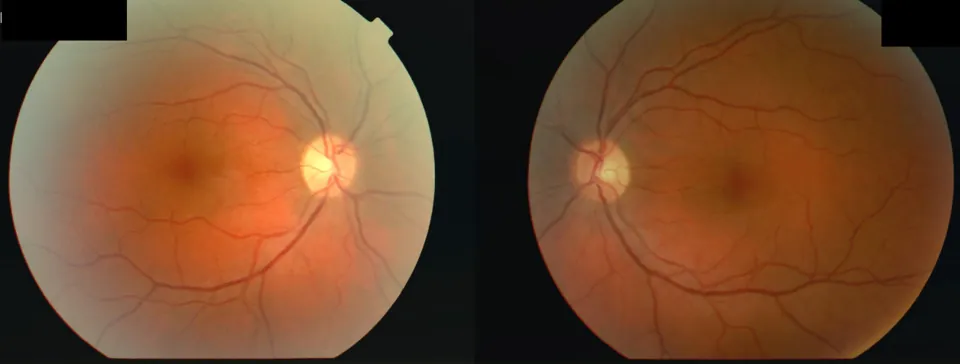
Neuromyelitis optica spectrum disorder (NMOSD) is an autoimmune astrocytopathy of the CNS, usually caused by IgG antibodies against aquaporin-4 (AQP4), the main water channel on astrocyte end-feet. Complement-mediated astrocyte injury causes severe attacks with poor recovery. It mainly affects women (about 9:1 for AQP4-positive disease), often in their 30s–40s. The six core clinical characteristics are optic neuritis (often bilateral or severe), acute myelitis (typically longitudinally extensive, spanning 3 or more vertebral segments), area postrema syndrome (intractable hiccups, nausea and vomiting), acute brainstem syndrome, diencephalic and cerebral syndromes. Diagnosis uses the 2015 IPND criteria with a cell-based AQP4-IgG assay. Attacks are treated urgently with high-dose IV methylprednisolone and early plasma exchange. Relapse prevention is essential because disability accumulates with attacks: eculizumab, ravulizumab, inebilizumab, satralizumab and rituximab are effective, whereas MS drugs such as interferon beta, natalizumab and fingolimod can worsen NMOSD.
Patient case, mechanism, investigations, management, flashcards and exam-style questions.Open the lesson →
Key facts
- AQP4-IgG targets astrocyte water channels; NMOSD is an astrocytopathy, not primarily a demyelinating disease
- Six core syndromes: optic neuritis, acute myelitis, area postrema syndrome, brainstem, diencephalic and cerebral syndromes
- Longitudinally extensive transverse myelitis (LETM) spans 3 or more contiguous vertebral segments and involves central grey matter
- Area postrema syndrome: unexplained hiccups, nausea and vomiting lasting at least 48 hours
- Use a cell-based assay for AQP4-IgG; seronegative patients need stricter clinical and MRI criteria and MOG-IgG testing
- Acute attacks: IV methylprednisolone 1 g daily for 3–5 days plus early plasma exchange for severe attacks
- Interferon beta, natalizumab and fingolimod can worsen NMOSD and must be avoided
- Associated autoimmunity (SLE, Sjögren syndrome, myasthenia gravis) is common in AQP4-positive patients
Differential diagnosis
| Condition | Clues | Key test |
|---|---|---|
| Multiple sclerosis | Short cord lesions, periventricular Dawson fingers, OCBs, milder attacks | MRI pattern; CSF OCBs; AQP4-IgG negative |
| MOG antibody-associated disease | ADEM, optic disc swelling, conus involvement, good recovery | Serum MOG-IgG (cell-based) |
| Sarcoidosis | Systemic disease, leptomeningeal enhancement, dorsal subpial cord enhancement | Chest CT, ACE, biopsy |
| Spinal cord infarction | Hyperacute onset within minutes to hours, anterior cord syndrome | DWI MRI of the cord; vascular imaging |
| Vitamin B12 or copper deficiency myelopathy | Subacute dorsal column myelopathy | B12, copper, caeruloplasmin |
| Leber hereditary optic neuropathy | Painless sequential visual loss in young men | mtDNA mutation testing |
| Gastrointestinal disease | Vomiting from a GI cause | Normal neurology and MRI of area postrema |
Exam pearls
Guideline
International Panel for NMO Diagnosis (IPND) criteria (2015) with current consensus treatment recommendations and approved complement and B-cell or IL-6 targeted therapies
References
- Wingerchuk DM, Banwell B, Bennett JL, et al.. International consensus diagnostic criteria for neuromyelitis optica spectrum disorders. Neurology 2015.
- Jarius S, Paul F, Weinshenker BG, et al.. Neuromyelitis optica. Nat Rev Dis Primers 2020.
- Pittock SJ, Berthele A, Fujihara K, et al.. Eculizumab in Aquaporin-4-Positive Neuromyelitis Optica Spectrum Disorder. N Engl J Med 2019.
- Banwell B, Bennett JL, Marignier R, et al.. Diagnosis of myelin oligodendrocyte glycoprotein antibody-associated disease: International MOGAD Panel proposed criteria. Lancet Neurol 2023.
- Penman ID, Ralston SH, Strachan MWJ, Hobson RP, eds.. Davidson's Principles and Practice of Medicine. 2022.
- Loscalzo J, Fauci AS, Kasper DL, et al., eds.. Harrison's Principles of Internal Medicine. 2022.
Related topics
By Dr Khalid Seidi (B.Sc., M.D.) · MedEd World Clinical Knowledge library. Original teaching content checked against current guidelines (November 2026); confirm the latest local guidance before clinical use. Not a substitute for clinical judgement.