Clinical Knowledge › Neurology › Motor neurone, neuromuscular junction and muscle disorders
Myasthenia gravis
Myasthenia gravis (MG) is an autoimmune disorder of the neuromuscular junction in which antibodies against the postsynaptic acetylcholine receptor (AChR, about 85% of generalised cases), muscle-specific kinase (MuSK) or LRP4 reduce the safety factor of neuromuscular transmission. The hallmark is fatigable weakness that worsens with activity and through the day and improves with rest. Ocular symptoms (fluctuating asymmetric ptosis and diplopia) are the first feature in most patients, and about half progress to generalised disease with bulbar, neck, proximal limb and respiratory weakness; reflexes, sensation and pupils are normal. Diagnosis rests on antibody testing, neurophysiology (decrement on repetitive nerve stimulation, increased jitter on single-fibre EMG) and CT or MRI of the chest to look for thymoma, present in 10–15%. Pyridostigmine gives symptomatic relief; corticosteroids and steroid-sparing agents (azathioprine, mycophenolate) control disease; thymectomy benefits AChR-positive generalised disease and is mandatory for thymoma. Complement inhibitors, FcRn blockers and B-cell therapies treat refractory disease. Myasthenic crisis, with respiratory or bulbar failure, needs intensive care, IV immunoglobulin or plasma exchange and avoidance of drugs that worsen transmission.
Patient case, mechanism, investigations, management, flashcards and exam-style questions.Open the lesson →
Key facts
- Fatigable, fluctuating weakness of ocular, bulbar, neck, proximal limb and respiratory muscles; pupils, sensation and reflexes normal
- Antibodies: AChR (about 85% generalised, about 50% ocular), MuSK (bulbar and neck predominance, poor pyridostigmine response), LRP4, seronegative
- Thymic hyperplasia is common in early-onset AChR MG; thymoma in 10–15% (image the chest in all)
- Investigations: AChR then MuSK antibodies, repetitive nerve stimulation (decrement over 10%), single-fibre EMG (most sensitive), ice pack test for ptosis
- Pyridostigmine (cholinesterase inhibitor) first-line symptomatic treatment; excess causes cholinergic effects
- Thymectomy improves outcome in AChR-positive generalised MG (MGTX trial) and is required for thymoma
- Myasthenic crisis: monitor FVC and bulbar function, IVIG or plasma exchange, ventilation; avoid aminoglycosides, fluoroquinolones, macrolides, IV magnesium, beta-blockers
- Biologics for refractory gMG: eculizumab, ravulizumab, zilucoplan (complement); efgartigimod, rozanolixizumab, nipocalimab (FcRn); inebilizumab and rituximab (B cell)
Differential diagnosis
| Condition | Clues | Key test |
|---|---|---|
| Lambert–Eaton myasthenic syndrome | Proximal leg weakness, reduced reflexes that improve after exercise, dry mouth, small cell lung cancer | VGCC antibodies; increment on high-frequency stimulation |
| Botulism | Descending paralysis, dilated unreactive pupils, autonomic features | Toxin assay; history of food or wound exposure |
| Third nerve palsy or Horner syndrome | Fixed (non-fatigable) ptosis, pupil involvement | Pupil examination; imaging |
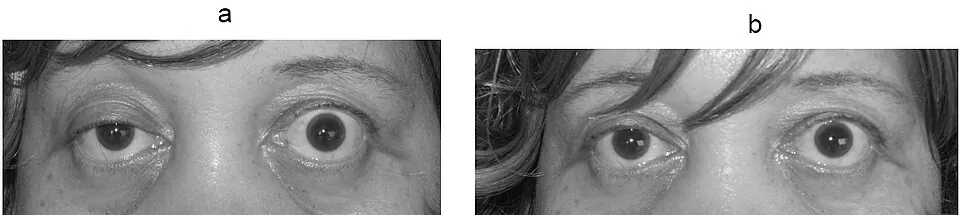
| Thyroid eye disease | Proptosis, lid retraction, restrictive diplopia | TSH, TRAb; orbit imaging |
| Motor neurone disease (bulbar) | Wasting, fasciculations, brisk jaw jerk | EMG denervation |
| Chronic progressive external ophthalmoplegia | Slowly progressive symmetric ptosis and ophthalmoplegia without diplopia | Muscle biopsy (ragged red fibres); mitochondrial DNA |
| Guillain–Barré (Miller Fisher) | Acute ophthalmoplegia, ataxia, areflexia | Anti-GQ1b; areflexia |
Exam pearls
Guideline
International consensus guidance for management of myasthenia gravis (2016, updated 2020/2021), with MGFA clinical classification and subsequent regulatory approvals of complement inhibitors, FcRn blockers and B-cell therapy (2017–2025)
References
- Narayanaswami P, Sanders DB, Wolfe G, et al.. International consensus guidance for management of myasthenia gravis: 2020 update. Neurology 2021.
- Sanders DB, Wolfe GI, Benatar M, et al.. International consensus guidance for management of myasthenia gravis: executive summary. Neurology 2016.
- Wolfe GI, Kaminski HJ, Aban IB, et al.. Randomized trial of thymectomy in myasthenia gravis. N Engl J Med 2016.
- Gilhus NE, Tzartos S, Evoli A, et al.. Myasthenia gravis. Nat Rev Dis Primers 2019.
- Ropper AH, Samuels MA, Klein JP, Prasad S.. Adams and Victor's Principles of Neurology. 2023.
- Papadakis MA, Rabow MW, McQuaid KR, eds.. CURRENT Medical Diagnosis & Treatment 2026. 2026.
Related topics
By Dr Khalid Seidi (B.Sc., M.D.) · MedEd World Clinical Knowledge library. Original teaching content checked against current guidelines (November 2026); confirm the latest local guidance before clinical use. Not a substitute for clinical judgement.