Clinical Knowledge › Anaesthesiology › Perioperative complications and emergencies
Postoperative delirium and cognitive dysfunction
Postoperative delirium (POD) is an acute, fluctuating disturbance of attention and awareness with altered cognition that develops in the recovery room or within about a week of surgery, and is the commonest surgical complication in older people (10–50%). Since 2018 it sits within perioperative neurocognitive disorders, which also include delayed neurocognitive recovery (up to 30 days) and postoperative neurocognitive disorder (30 days to 12 months), previously called POCD. Risk is the sum of predisposing factors (age, pre-existing cognitive impairment, frailty, sensory loss, alcohol, comorbidity) and precipitating factors (emergency or major surgery, pain, infection, hypoxaemia, hypotension, anticholinergic and benzodiazepine drugs, sleep loss). The ESAIC 2024 update recommends preoperative risk assessment, a multicomponent non-drug prevention bundle, processed EEG to avoid excessive anaesthetic depth, good analgesia, avoiding benzodiazepines, daily screening with validated tools (4AT, CAM, Nu-DESC) and low-dose haloperidol only for distressing symptoms when non-drug measures fail.
Patient case, mechanism, investigations, management, flashcards and exam-style questions.Open the lesson →
Key facts
- Perioperative neurocognitive disorder nomenclature (2018): postoperative delirium, delayed neurocognitive recovery (to 30 days) and postoperative neurocognitive disorder (30 days to 12 months)
- Pre-existing cognitive impairment or dementia is the strongest predisposing factor; age, frailty, sensory impairment and alcohol use follow
- Hypoactive delirium is the commonest subtype in older surgical patients and is easily missed; it carries the worst prognosis
- Screen at least once daily from the recovery room for several days with a validated tool: 4AT, CAM or 3D-CAM on the ward, Nu-DESC or CAM in recovery, CAM-ICU in intensive care
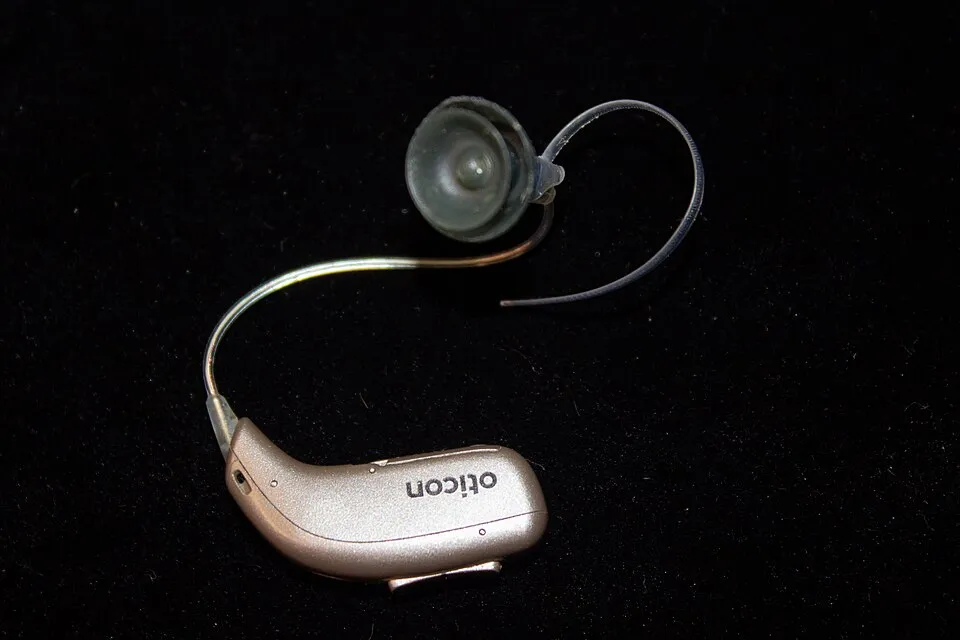
- Multicomponent non-pharmacological prevention (orientation, glasses and hearing aids, sleep, early mobilisation, hydration, nutrition, family involvement) reduces delirium incidence by about a third
- Avoid benzodiazepines (except for alcohol or benzodiazepine withdrawal) and drugs with high anticholinergic burden such as cyclizine, hyoscine and older antihistamines
- Choice of regional versus general anaesthesia does not clearly change delirium rates; avoid excessive depth (burst suppression) with processed EEG
- Delirium is associated with longer stay, falls, institutionalisation, faster cognitive decline, new dementia and higher mortality
Differential diagnosis
| Condition | Clues | Key test |
|---|---|---|
| Pre-existing dementia without delirium | Gradual decline over months; attention relatively preserved; no acute change | Collateral history and baseline cognitive score |
| Emergence agitation | Restlessness on waking that resolves within minutes to an hour in recovery | Time course; reassess after 30–60 minutes |
| Hypoxaemia or hypercapnia | Confusion with low SpO2 or drowsiness after opioids | Pulse oximetry and arterial blood gas |
| Hypoglycaemia or hyponatraemia | Confusion in a patient with diabetes or after hypotonic fluids | Capillary glucose and serum sodium |
| Alcohol withdrawal | Tremor, sweating, tachycardia and hallucinations 2–3 days after admission | Alcohol history; CIWA-Ar score |
| Stroke | Focal neurological signs or speech disturbance after cardiac or carotid surgery | Urgent CT or MRI brain |
| Depression | Low mood and slowing but normal attention | Attention testing (months backwards) and mood assessment |
| Non-convulsive status epilepticus | Fluctuating consciousness with subtle twitching | EEG |
Exam pearls
Guideline
ESAIC evidence-based and consensus-based guideline on postoperative delirium in adults (2024 update), NICE CG103 delirium (updated 2023) and 2018 perioperative neurocognitive disorder nomenclature
References
- Aldecoa C, Bettelli G, Bilotta F, et al.. Update of the European Society of Anaesthesiology and Intensive Care Medicine evidence-based and consensus-based guideline on postoperative delirium in adult patients. Eur J Anaesthesiol 2024.
- Evered L, Silbert B, Knopman DS, et al.. Recommendations for the nomenclature of cognitive change associated with anaesthesia and surgery-2018. Br J Anaesth 2018.
- Inouye SK, Bogardus ST, Charpentier PA, et al.. A multicomponent intervention to prevent delirium in hospitalized older patients. N Engl J Med 1999.
- American Geriatrics Society Expert Panel on Postoperative Delirium in Older Adults. American Geriatrics Society abstracted clinical practice guideline for postoperative delirium in older adults. J Am Geriatr Soc 2015.
- National Institute for Health and Care Excellence. Delirium: prevention, diagnosis and management in hospital and long-term care (CG103). NICE, London 2023.
- National Institute for Health and Care Excellence. Perioperative care in adults (NG180). NICE, London 2020.
Related topics
By Dr Khalid Seidi (B.Sc., M.D.) · MedEd World Clinical Knowledge library. Original teaching content checked against current guidelines (November 2026); confirm the latest local guidance before clinical use. Not a substitute for clinical judgement.