Clinical Knowledge › Anaesthesiology › Perioperative complications and emergencies
Residual neuromuscular blockade
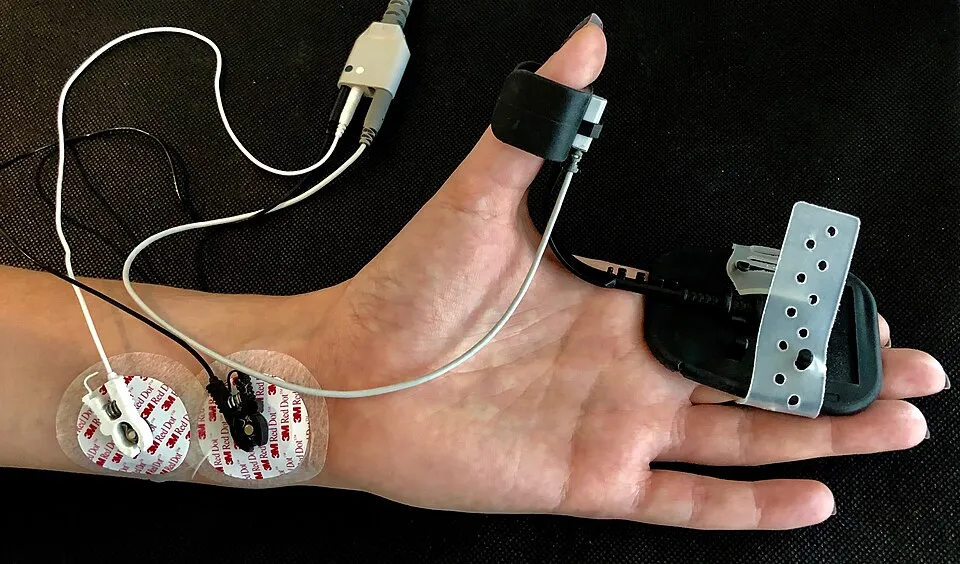
Residual neuromuscular blockade (residual curarisation) is incomplete recovery from a neuromuscular blocking agent after anaesthesia, defined objectively as a train-of-four (TOF) ratio below 0.9 measured at the adductor pollicis. It is common when block is judged by clinical signs or by feeling for fade, because the human eye and hand cannot detect fade once the TOF ratio exceeds about 0.4. Even minimal residual block impairs pharyngeal coordination, upper-airway patency and the hypoxic ventilatory response, so patients aspirate, obstruct, desaturate and may need reintubation; awake patients describe frightening weakness. Prevention rests on quantitative neuromuscular monitoring from induction to extubation, appropriate dosing, and reversal matched to depth: sugammadex for aminosteroid block (rocuronium, vecuronium) at any depth, or neostigmine with glycopyrronium only once recovery is advanced. The 2023 ASA and ESAIC guidelines and the 2021 Association of Anaesthetists monitoring standards all require a measured TOF ratio of at least 0.9 before extubation.
Patient case, mechanism, investigations, management, flashcards and exam-style questions.Open the lesson →
Key facts
- Definition: TOF ratio below 0.9 at the adductor pollicis after ulnar nerve stimulation, measured with a quantitative monitor
- Subjective (visual or tactile) assessment misses fade above a TOF ratio of about 0.4; 5-second head lift and grip can be achieved at ratios near 0.5
- Depth levels: intense (post-tetanic count 0), deep (PTC 1 or more, TOF count 0), moderate (TOF count 1–3), shallow (TOF count 4, ratio under 0.4), minimal (ratio 0.4–0.9)
- Sugammadex (teaching doses; check local formulary): 2 mg/kg at TOF count 2 or more, 4 mg/kg at PTC 1–2, 16 mg/kg for immediate reversal after rocuronium 1.2 mg/kg
- Neostigmine 50 microgram/kg (maximum 5 mg) with glycopyrronium has a ceiling effect: give only when recovery is advanced and keep monitoring until the ratio is 0.9 or more
- Sugammadex encapsulates rocuronium and vecuronium only; it does not reverse atracurium, cisatracurium, mivacurium or suxamethonium
- Consequences include pharyngeal dysfunction with aspiration, upper-airway obstruction, blunted hypoxic ventilatory drive, critical respiratory events in recovery and postoperative pulmonary complications
- Potentiating factors: volatile agents, hypothermia, acidosis, hypokalaemia, hypermagnesaemia, aminoglycosides, renal or hepatic impairment, older age and neuromuscular disease
Differential diagnosis
| Condition | Clues | Key test |
|---|---|---|
| Opioid-induced respiratory depression | Slow deep breathing, pinpoint pupils, sedation but good grip and normal TOF | Quantitative TOF ratio 0.9 or more; response to titrated naloxone |
| Residual volatile or benzodiazepine sedation | Drowsy but strong; slow emergence | Normal TOF; end-tidal agent; consider flumazenil only in selected cases |
| Suxamethonium apnoea (butyrylcholinesterase deficiency) | Prolonged paralysis after suxamethonium or mivacurium; no response to sugammadex | TOF pattern; plasma cholinesterase activity and genotype |
| Unrecognised myasthenia gravis or Lambert–Eaton syndrome | Exaggerated sensitivity to non-depolarising agents; ptosis, bulbar weakness | Acetylcholine receptor or voltage-gated calcium channel antibodies |
| Hypermagnesaemia | Weakness after magnesium for pre-eclampsia; loss of reflexes | Serum magnesium |
| High neuraxial block | Weakness with sensory level, hypotension, bradycardia after spinal or epidural | Dermatomal sensory testing; normal TOF in the arm if not blocked |
| Acute stroke or hypoglycaemia | Focal deficit or reduced consciousness after surgery | Capillary glucose; neurological examination; CT |
Exam pearls
Guideline
ASA 2023 Practice Guidelines for Monitoring and Antagonism of Neuromuscular Blockade; ESAIC 2023 Peri-operative Management of Neuromuscular Blockade; Association of Anaesthetists Standards of Monitoring 2021
References
- Thilen SR, Weigel WA, Todd MM, et al.. 2023 American Society of Anesthesiologists Practice Guidelines for Monitoring and Antagonism of Neuromuscular Blockade. Anesthesiology 2023.
- Fuchs-Buder T, Romero CS, Lewald H, et al.. Peri-operative management of neuromuscular blockade: a guideline from the European Society of Anaesthesiology and Intensive Care. Eur J Anaesthesiol 2023.
- Klein AA, Meek T, Allcock E, et al.. Recommendations for standards of monitoring during anaesthesia and recovery 2021: guideline from the Association of Anaesthetists. Anaesthesia 2021.
- Kirmeier E, Eriksson LI, Lewald H, et al.. Post-anaesthesia pulmonary complications after use of muscle relaxants (POPULAR): a multicentre, prospective observational study. Lancet Respir Med 2019.
- Murphy GS, Szokol JW, Marymont JH, et al.. Residual neuromuscular blockade and critical respiratory events in the postanesthesia care unit. Anesth Analg 2008.
- Brull SJ, Kopman AF.. Current status of neuromuscular reversal and monitoring: challenges and opportunities. Anesthesiology 2017.
Related topics
By Dr Khalid Seidi (B.Sc., M.D.) · MedEd World Clinical Knowledge library. Original teaching content checked against current guidelines (November 2026); confirm the latest local guidance before clinical use. Not a substitute for clinical judgement.