Clinical Knowledge › Anaesthesiology › Perioperative complications and emergencies
Suxamethonium apnoea (pseudocholinesterase deficiency)
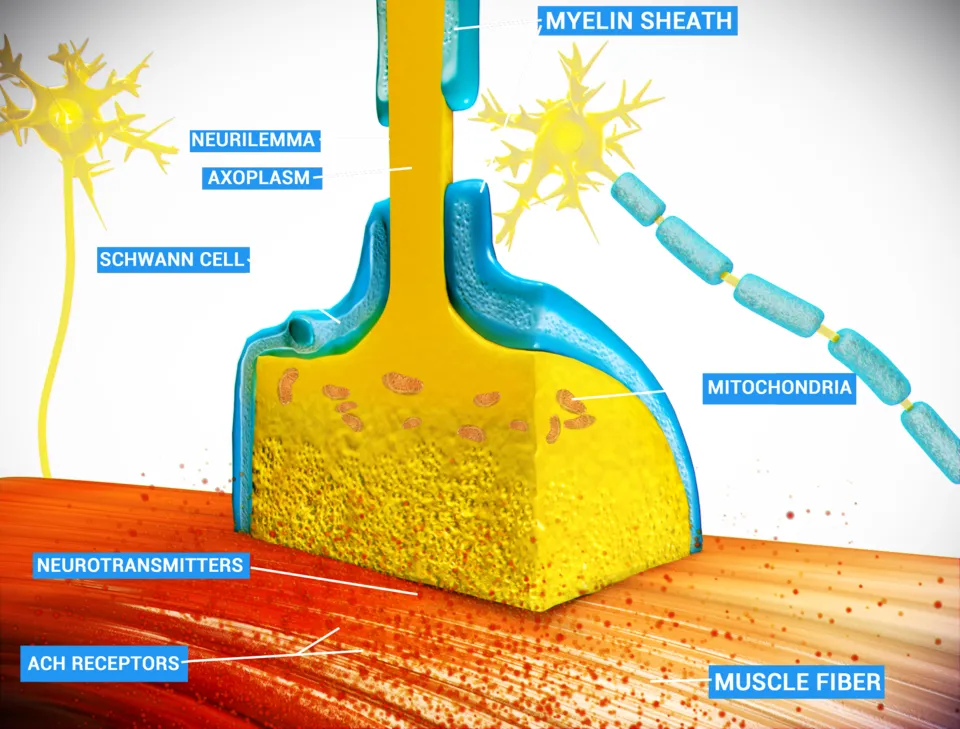
Suxamethonium apnoea is prolonged neuromuscular block and apnoea after suxamethonium (succinylcholine) or mivacurium in a patient with reduced plasma butyrylcholinesterase (pseudocholinesterase) activity. Normally the enzyme hydrolyses most of an intubating dose in plasma, so paralysis lasts only 5–10 minutes; in inherited deficiency caused by variants of the BCHE gene (atypical, silent, fluoride-resistant and K alleles), block may last from 20 minutes to several hours. Acquired reduction from pregnancy, liver disease, malnutrition, burns or drugs such as neostigmine and organophosphates usually causes milder prolongation. Care is supportive: keep the patient anaesthetised or sedated to prevent awareness, ventilate, monitor with quantitative train-of-four until the ratio exceeds 0.9, and avoid neostigmine. Afterwards, measure enzyme activity with dibucaine and fluoride numbers, explain the result, issue an alert card and offer testing to first-degree relatives.
Patient case, mechanism, investigations, management, flashcards and exam-style questions.Open the lesson →
Key facts
- Suxamethonium 1–1.5 mg/kg normally gives apnoea for about 5–10 minutes because plasma butyrylcholinesterase destroys most of the dose before it reaches the junction
- Butyrylcholinesterase is made in the liver and coded by BCHE on chromosome 3; the clinical syndrome is inherited in an autosomal recessive pattern
- Heterozygous atypical (UA) occurs in about 1 in 25–30 people of European ancestry and causes mild prolongation; homozygous atypical (AA, about 1 in 3000) gives block of about 2–4 hours or longer
- Dibucaine number: usual enzyme about 80, heterozygote about 60, homozygous atypical about 20
- Acquired reduction: pregnancy, liver disease, malnutrition, burns, chronic kidney disease, cancer, plasmapheresis, cardiopulmonary bypass; drugs including neostigmine, pyridostigmine, echothiophate, organophosphates and cyclophosphamide
- The paralysed patient may be awake: maintain anaesthesia or sedation until full recovery to avoid accidental awareness
- Wait for spontaneous recovery with ventilation; neostigmine is avoided and sugammadex has no effect on suxamethonium
- Mivacurium and ester local anaesthetics also depend on butyrylcholinesterase; esmolol and remifentanil do not
Differential diagnosis
| Condition | Clues | Key test |
|---|---|---|
| Residual non-depolarising block | Fade on train-of-four after rocuronium or atracurium; responds to sugammadex or neostigmine | Quantitative TOF; drug chart |
| Opioid or sedative excess | Small pupils and slow respiratory rate but normal TOF | TOF normal; response to naloxone |
| Residual volatile agent or hypothermia | Slow emergence with low core temperature and normal TOF | Temperature; end-tidal agent concentration |
| Electrolyte or glucose disturbance | Hypermagnesaemia, hypokalaemia or hypoglycaemia prolonging weakness | Glucose, magnesium, potassium |
| Myasthenia gravis or Lambert–Eaton syndrome | Known or undiagnosed neuromuscular disease with altered sensitivity to blockers | Acetylcholine receptor or VGCC antibodies |
| Phase II block after large suxamethonium doses | Fade on TOF after repeated doses or an infusion (above about 3–5 mg/kg) | TOF pattern and total dose given |
| Stroke or other neurological event | Focal signs or unequal pupils on emergence | CT head |
| Organophosphate poisoning | Agricultural exposure with miosis, secretions and bradycardia | Red cell acetylcholinesterase and plasma cholinesterase |
Exam pearls
Guideline
Association of Anaesthetists Recommendations for standards of monitoring during anaesthesia and recovery (2021) and ASA Practice Guidelines for monitoring and antagonism of neuromuscular blockade (2023), with systematic reviews of butyrylcholinesterase deficiency (2019 and 2026)
References
- Klein AA, Meek T, Allcock E, et al.. Recommendations for standards of monitoring during anaesthesia and recovery 2021: Guideline from the Association of Anaesthetists. Anaesthesia 2021.
- Thilen SR, Weigel WA, Todd MM, et al.. 2023 American Society of Anesthesiologists practice guidelines for monitoring and antagonism of neuromuscular blockade. Anesthesiology 2023.
- Andersson ML, Møller AM, Wildgaard K.. Butyrylcholinesterase deficiency and its clinical importance in anaesthesia: a systematic review. Anaesthesia 2019.
- Snak de Souza CD, Ibarra Moreno CA, Riazi S, et al.. Genotype-phenotype relationships in butyrylcholinesterase deficiency: a systematic review. Br J Anaesth 2026.
- Soliday FK, Conley YP, Henker R.. Pseudocholinesterase deficiency: a comprehensive review of genetic, acquired, and drug influences. AANA J 2010.
- Nguyen JQ, Paetznick C, Donnelly RS, et al.. Hereditary pseudocholinesterase deficiency and succinylcholine: historical perspective, therapeutic implications, and future considerations. Pharmacotherapy 2025.
Related topics
By Dr Khalid Seidi (B.Sc., M.D.) · MedEd World Clinical Knowledge library. Original teaching content checked against current guidelines (November 2026); confirm the latest local guidance before clinical use. Not a substitute for clinical judgement.