Clinical Knowledge › Surgery › Basics of surgery
Surgical site infection
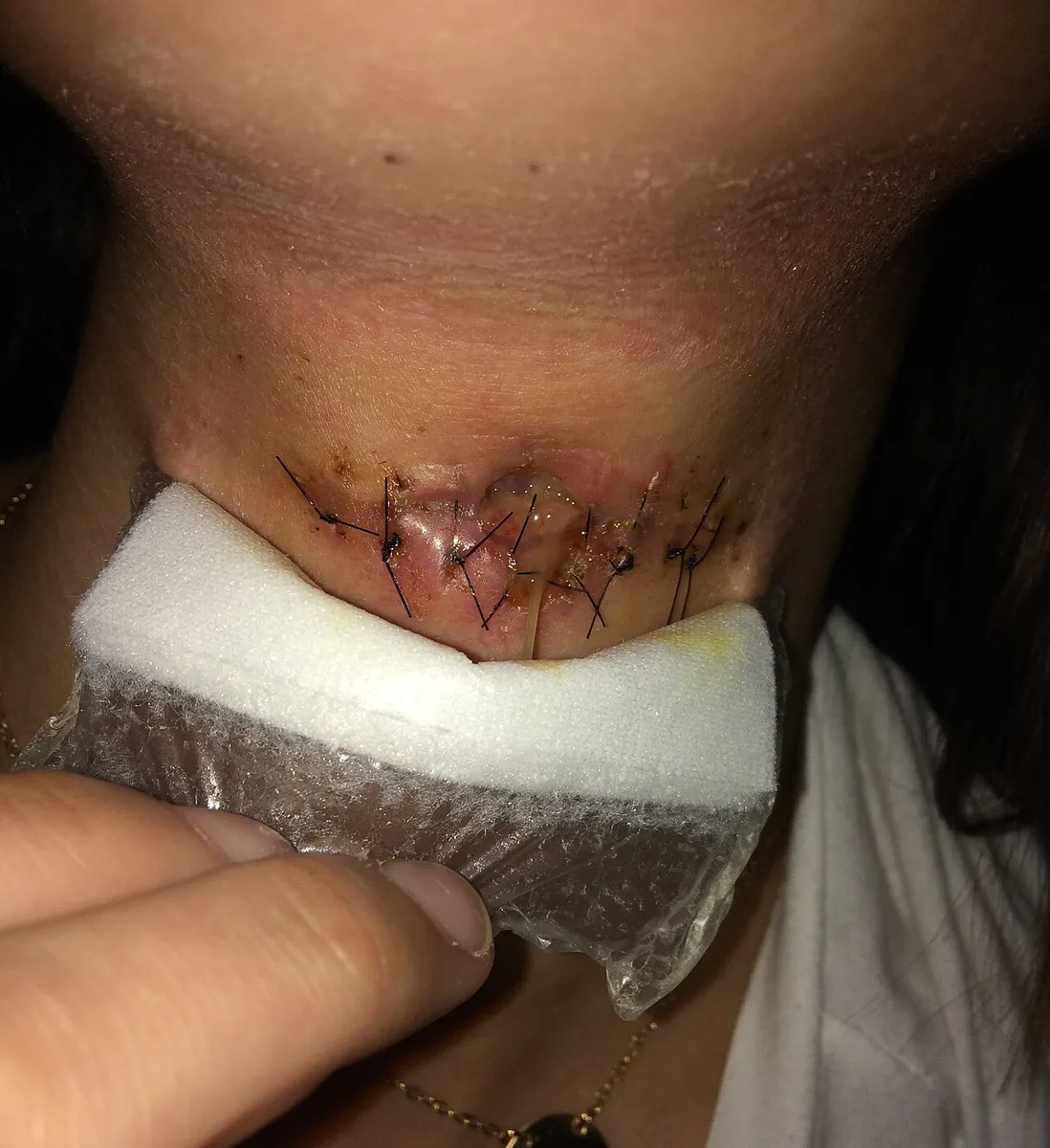
Surgical site infection (SSI) is infection of the incision or of the organ or space handled during surgery, occurring within 30 days of the operation, or within 90 days when an implant is left. It is classed as superficial incisional, deep incisional or organ/space. SSI is the commonest healthcare-associated infection in low- and middle-income countries and among the commonest everywhere; it doubles length of stay and raises mortality. Risk depends on the bacterial inoculum (wound class: clean, clean-contaminated, contaminated, dirty), host defences (diabetes, smoking, obesity, malnutrition, immunosuppression) and operative factors (duration, haematoma, hypothermia, foreign material). Staphylococcus aureus dominates in clean surgery and gut flora after bowel surgery. Superficial SSI is treated by opening and draining the wound, with antibiotics if cellulitis or systemic signs; deep and organ/space SSI need imaging and drainage. Prevention bundles from WHO (2018), CDC (2017) and NICE NG125 include no routine hair removal, alcoholic chlorhexidine skin preparation, timely single-dose antibiotic prophylaxis, normothermia, glucose control and changing gloves and instruments before closure.
Patient case, mechanism, investigations, management, flashcards and exam-style questions.Open the lesson →
Key facts
- Definition: infection within 30 days of surgery (90 days with an implant for selected procedures), classed as superficial incisional, deep incisional or organ/space
- Wound classes: clean (I), clean-contaminated (II), contaminated (III) and dirty-infected (IV); SSI risk rises with each class
- Staphylococcus aureus is the commonest cause after clean surgery; Enterobacterales, enterococci and anaerobes after bowel surgery
- Typical onset day 4–7; wound infection in the first 24–48 hours suggests group A streptococcus or clostridia (necrotising infection)
- Give prophylactic antibiotics within 60 minutes before incision (WHO allows up to 120 minutes), usually a single dose; do not continue after the operation
- Hair: do not remove routinely; if needed use clippers on the day, never razors
- Alcohol-based chlorhexidine is the first-choice skin antiseptic; ChEETAh (2022) showed changing gloves and instruments before abdominal closure lowers SSI
- Treat superficial SSI by opening the wound and draining pus; antibiotics are added for cellulitis, systemic features or immunosuppression
Differential diagnosis
| Condition | Clues | Key test |
|---|---|---|
| Normal postoperative inflammation | Mild redness limited to the wound edge in the first 2–3 days, no pus | Clinical review; settles without treatment |
| Stitch abscess | Small pustule around one suture, little surrounding erythema | Remove the suture; no antibiotics usually |
| Necrotising soft tissue infection | Within 24–72 hours; pain out of proportion, dusky skin, crepitus, sepsis | Clinical; urgent surgical exploration; CT must not delay |
| Wound haematoma or seroma | Fluctuant swelling without spreading erythema or fever | Clinical; ultrasound; aspirate if infected |
| Organ/space infection (intra-abdominal abscess or anastomotic leak) | Wound looks fine but fever, ileus, rising CRP after day 3–5 | CT abdomen and pelvis with IV contrast |
| Contact dermatitis to dressing or antiseptic | Itchy, sharply demarcated to dressing outline, no warmth | Clinical; remove the cause |
| Other healthcare-associated infection | Pneumonia, urinary or line infection, C. difficile | Chest film, urine culture, blood cultures, stool test |
Exam pearls
Guideline
WHO Global guidelines for the prevention of SSI (2nd edition, 2018), CDC/HICPAC SSI guideline (2017) and NICE NG125 (2019, with later updates)
References
- World Health Organization. Global guidelines for the prevention of surgical site infection, 2nd edition. Geneva: WHO 2018.
- Allegranzi B, Bischoff P, de Jonge S, et al.. New WHO recommendations on preoperative measures for surgical site infection prevention: an evidence-based global perspective. Lancet Infect Dis 2016.
- Allegranzi B, Zayed B, Bischoff P, et al.. New WHO recommendations on intraoperative and postoperative measures for surgical site infection prevention: an evidence-based global perspective. Lancet Infect Dis 2016.
- Berríos-Torres SI, Umscheid CA, Bratzler DW, et al.. Centers for Disease Control and Prevention guideline for the prevention of surgical site infection, 2017. JAMA Surg 2017.
- National Institute for Health and Care Excellence (NICE). Surgical site infections: prevention and treatment (NICE guideline NG125; published 2019, with later updates). London: NICE 2019.
- Darouiche RO, Wall MJ Jr, Itani KM, et al.. Chlorhexidine-alcohol versus povidone-iodine for surgical-site antisepsis. N Engl J Med 2010.
Related topics
By Dr Khalid Seidi (B.Sc., M.D.) · MedEd World Clinical Knowledge library. Original teaching content checked against current guidelines (November 2026); confirm the latest local guidance before clinical use. Not a substitute for clinical judgement.