Clinical Knowledge › Internal medicine › Cardiology and angiology › Valvular heart disease and endocarditis
Acute rheumatic fever
Acute rheumatic fever (ARF) is a delayed, immune-mediated inflammatory illness that follows infection with group A Streptococcus (Streptococcus pyogenes), classically pharyngitis, after a latent period of about 2–4 weeks. It mainly affects children aged 5–15 years in crowded, low-income settings. Cross-reactive antibodies and T cells directed against streptococcal antigens attack heart, joints, brain and skin (molecular mimicry). The major manifestations are carditis (mainly mitral and aortic valvulitis), migratory polyarthritis, Sydenham chorea, erythema marginatum and subcutaneous nodules. Diagnosis uses the 2015 revised Jones criteria, which differ for low-risk and moderate-to-high-risk populations and include echocardiographic (subclinical) carditis, plus evidence of recent streptococcal infection. Treatment eradicates streptococci, relieves arthritis with NSAIDs or aspirin and manages heart failure. The most important step is secondary prophylaxis with regular benzathine penicillin G, which prevents recurrences that cause progressive rheumatic heart disease.
Patient case, mechanism, investigations, management, flashcards and exam-style questions.Open the lesson →
Key facts
- ARF follows group A streptococcal pharyngitis after 2–4 weeks; peak age 5–15 years
- Mechanism: molecular mimicry between streptococcal M protein and cardiac myosin, valve and neuronal antigens
- Major (Jones) criteria: carditis, arthritis, Sydenham chorea, erythema marginatum, subcutaneous nodules
- Diagnosis: 2 major, or 1 major + 2 minor, plus evidence of preceding streptococcal infection (ASO, anti-DNase B, culture or antigen test)
- In moderate-to-high-risk populations monoarthritis and polyarthralgia count as major, and subclinical carditis on echo counts as carditis
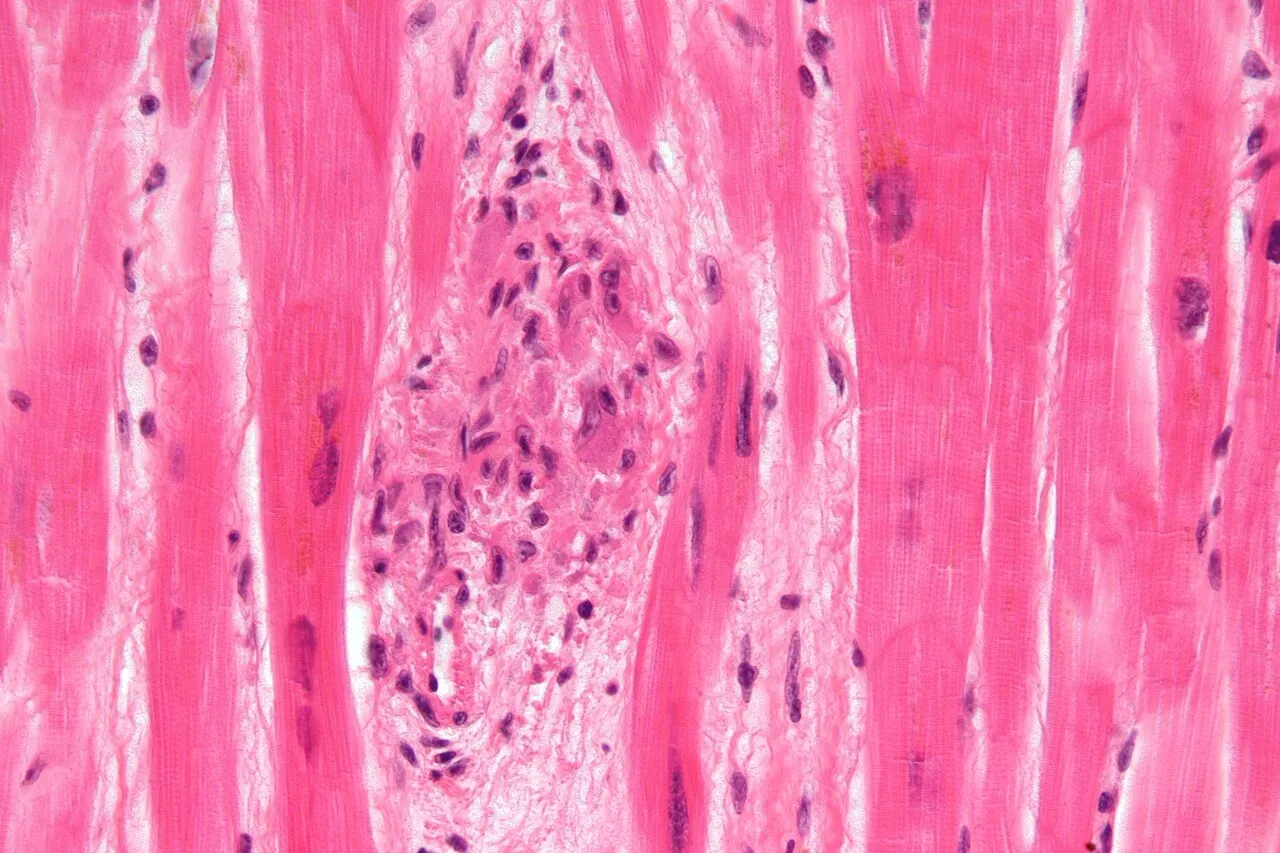
- Carditis is a pancarditis, but valvulitis (mitral more than aortic regurgitation) causes the long-term damage
- Treatment: single IM benzathine penicillin G (or 10 days oral penicillin), aspirin or naproxen for arthritis, heart failure therapy for carditis
- Secondary prophylaxis with benzathine penicillin G every 4 weeks for years (WHO 2024 preferred option) prevents recurrence and RHD
Differential diagnosis
| Condition | Clues | Key test |
|---|---|---|
| Septic arthritis | Single hot joint, high fever, no migration, poor response to aspirin | Joint aspiration and culture, blood cultures |
| Post-streptococcal reactive arthritis | Non-migratory arthritis with shorter latency, poor aspirin response, no carditis | Clinical; echo to exclude carditis |
| Juvenile idiopathic arthritis | Persistent arthritis over 6 weeks, morning stiffness, rash | Clinical criteria, ANA, RF |
| Infective endocarditis | Fever with regurgitant murmur, embolic phenomena, positive blood cultures | Blood cultures, echocardiography (modified Duke-ISCVID) |
| Viral myocarditis or pericarditis | Recent viral illness, chest pain, no valvulitis | ECG, troponin, echo, cardiac MRI |
| Systemic lupus erythematosus | Arthritis, rash, serositis, cytopenias | ANA, anti-dsDNA, complement |
| Leukaemia or sickle cell crisis | Bone pain mimicking arthritis, cytopenias | Full blood count and film |
| Lyme disease | Arthritis, erythema migrans, AV block in endemic areas | Lyme serology |
Exam pearls
Guideline
WHO guideline on the prevention and diagnosis of rheumatic fever and rheumatic heart disease (2024), AHA 2015 revised Jones criteria, 2023 World Heart Federation echocardiographic criteria and the 2020 Australian ARF/RHD guideline
References
- World Health Organization. WHO guideline on the prevention and diagnosis of rheumatic fever and rheumatic heart disease. Geneva: World Health Organization 2024.
- Gewitz MH, Baltimore RS, Tani LY, et al.. Revision of the Jones Criteria for the diagnosis of acute rheumatic fever in the era of Doppler echocardiography: a scientific statement from the American Heart Association. Circulation 2015.
- Rwebembera J, Marangou J, Mwita JC, et al.. 2023 World Heart Federation guidelines for the echocardiographic diagnosis of rheumatic heart disease. Nat Rev Cardiol 2024.
- RHDAustralia (ARF/RHD writing group), Menzies School of Health Research. The 2020 Australian guideline for prevention, diagnosis and management of acute rheumatic fever and rheumatic heart disease (3rd edition). Darwin: Menzies School of Health Research 2020.
- Carapetis JR, Beaton A, Cunningham MW, et al.. Acute rheumatic fever and rheumatic heart disease. Nat Rev Dis Primers 2016.
- Beaton A, Okello E, Rwebembera J, et al.. Secondary Antibiotic Prophylaxis for Latent Rheumatic Heart Disease. N Engl J Med 2022.
Related topics
By Dr Khalid Seidi (B.Sc., M.D.) · MedEd World Clinical Knowledge library. Original teaching content checked against current guidelines (November 2026); confirm the latest local guidance before clinical use. Not a substitute for clinical judgement.