Clinical Knowledge › Anaesthesiology › Special patient groups
Anaesthesia in liver and kidney disease
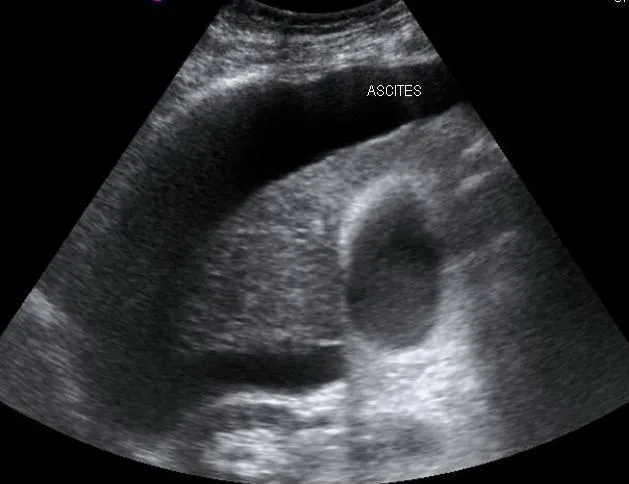
Liver and kidney disease change both the risk of surgery and the way the body handles anaesthetic drugs. In cirrhosis, operative mortality rises steeply with Child–Pugh class and MELD score; VOCAL-Penn gives a more precise estimate and ACG 2025 supports multidisciplinary decisions. The circulation is hyperdynamic with low systemic resistance, ascites reduces lung volumes, haemostasis is 'rebalanced' so the INR does not predict bleeding, and encephalopathy and hepatorenal syndrome threaten recovery. Drugs with high hepatic extraction, benzodiazepines and aminosteroid relaxants are prolonged, so short-acting agents, atracurium or cisatracurium and reduced paracetamol doses are preferred and NSAIDs avoided. In chronic kidney disease the issues are hyperkalaemia, acidosis, anaemia, uraemic platelet dysfunction, fluid balance, fistula protection and accumulation of renally cleared drugs. Perioperative acute kidney injury, defined by KDIGO creatinine and urine-output criteria, is prevented by avoiding hypotension, nephrotoxins and both fluid overload and excessive restriction.
Patient case, mechanism, investigations, management, flashcards and exam-style questions.Open the lesson →
Key facts
- Classic estimates of mortality after abdominal surgery in cirrhosis: about 10% Child–Pugh A, 30% B and 75–80% C; elective surgery is generally avoided in Child C or high MELD
- VOCAL-Penn (age, albumin, platelets, bilirubin, BMI, fatty liver disease, ASA class, emergency and surgery type) predicts mortality better than MELD or Child–Pugh
- Haemostasis in cirrhosis is rebalanced: a high INR does not predict bleeding; use viscoelastic testing and avoid prophylactic plasma
- Atracurium and cisatracurium (Hofmann elimination) are preferred in liver and kidney failure; rocuronium and vecuronium are prolonged
- Suxamethonium raises serum potassium by about 0.5 mmol/L; avoid if potassium is above about 5.5 mmol/L or in hyperkalaemic states
- Morphine's active metabolite morphine-6-glucuronide accumulates in kidney failure; prefer fentanyl, alfentanil or remifentanil and avoid pethidine
- KDIGO AKI: creatinine rise of 26.5 µmol/L (0.3 mg/dL) or more within 48 h, 1.5 times baseline within 7 days, or urine output below 0.5 mL/kg/h for 6 h
- Haemodialysis patients should be dialysed within about 24 hours before elective surgery and have potassium checked afterwards; protect the fistula arm
Differential diagnosis
| Condition | Clues | Key test |
|---|---|---|
| Hepatic encephalopathy | Confusion, asterixis, constipation, GI bleed or infection trigger | Clinical grading; look for precipitant |
| Residual sedative or opioid effect | Drowsiness after anaesthesia, small pupils | Drug history, naloxone or flumazenil trial with caution |
| Hypoglycaemia | Confusion, sweating in liver failure | Capillary glucose |
| Hepatorenal syndrome–AKI | Rising creatinine with ascites, low urine sodium, no response to albumin | Exclude other causes; albumin challenge |
| Prerenal AKI | Hypotension, hypovolaemia, high urea:creatinine ratio | Volume assessment, response to fluid |
| Acute tubular injury | Prolonged hypotension, sepsis or nephrotoxins; granular casts | Urine microscopy, trend |
| Postrenal obstruction | Anuria, palpable bladder, catheter blocked | Bladder scan, renal ultrasound |
| Hyperkalaemia | Peaked T waves, arrhythmia after suxamethonium or missed dialysis | Serum potassium, ECG |
Exam pearls
Guideline
ACG clinical guideline on perioperative risk assessment and management in cirrhosis (2025); AGA clinical practice update on surgery in cirrhosis (2019); KDIGO AKI guideline (2012) and KDIGO CKD guideline (2024); ADQI/POQI consensus on postoperative AKI (2021)
References
- Mahmud N, Fricker ZP, McElroy LM, et al.. ACG Clinical Guideline: Perioperative Risk Assessment and Management in Patients With Cirrhosis. Am J Gastroenterol 2025.
- Northup PG, Friedman LS, Kamath PS. AGA Clinical Practice Update on Surgical Risk Assessment and Perioperative Management in Cirrhosis: Expert Review. Clin Gastroenterol Hepatol 2019.
- Mahmud N, Fricker Z, Hubbard RA, et al.. Risk Prediction Models for Post-Operative Mortality in Patients With Cirrhosis. Hepatology 2021.
- Kidney Disease: Improving Global Outcomes (KDIGO) Acute Kidney Injury Work Group. KDIGO Clinical Practice Guideline for Acute Kidney Injury. Kidney Int Suppl 2012.
- Prowle JR, Forni LG, Bell M, et al.. Postoperative acute kidney injury in adult non-cardiac surgery: joint consensus report of the Acute Disease Quality Initiative and PeriOperative Quality Initiative. Nat Rev Nephrol 2021.
- Kidney Disease: Improving Global Outcomes (KDIGO) CKD Work Group. KDIGO 2024 Clinical Practice Guideline for the Evaluation and Management of Chronic Kidney Disease. Kidney Int 2024.
Related topics
By Dr Khalid Seidi (B.Sc., M.D.) · MedEd World Clinical Knowledge library. Original teaching content checked against current guidelines (November 2026); confirm the latest local guidance before clinical use. Not a substitute for clinical judgement.