Clinical Knowledge › Anaesthesiology › Relevant pharmacology
Anticholinergic agents in anaesthesia
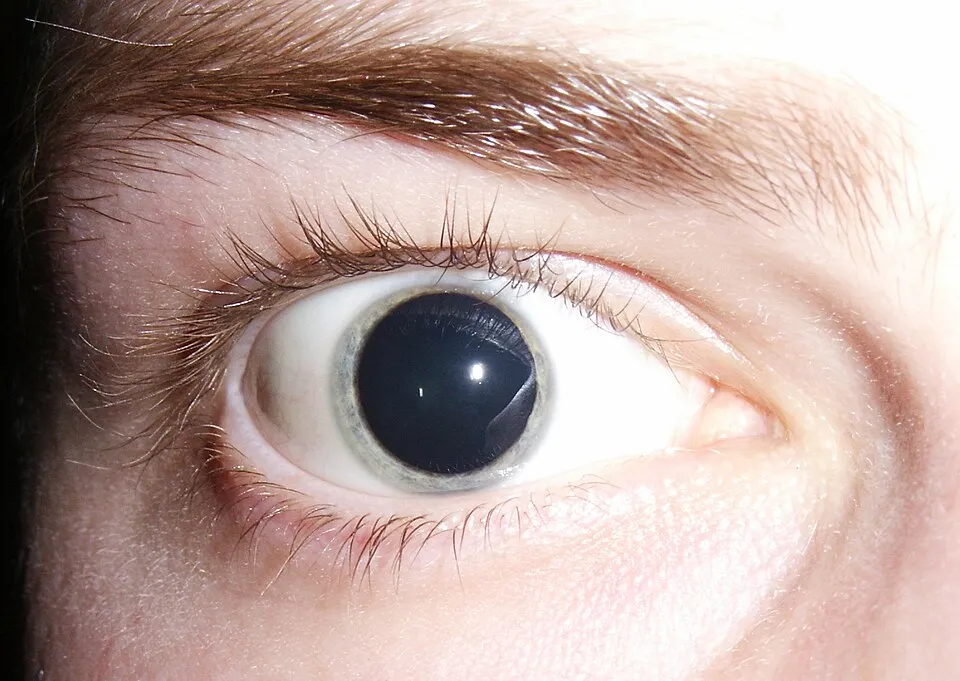
The antimuscarinic drugs used in anaesthesia are competitive antagonists at muscarinic acetylcholine receptors. Three agents dominate practice: atropine, glycopyrronium (glycopyrrolate) and hyoscine. The decisive pharmacological difference is structural. Atropine and hyoscine hydrobromide are tertiary amines that cross the blood-brain barrier and the placenta and can cause sedation, confusion and central anticholinergic syndrome, whereas glycopyrronium and hyoscine butylbromide are quaternary ammonium compounds that do not, making glycopyrronium the agent of choice when central effects are unwanted. Their anaesthetic uses are to treat bradycardia, including the oculocardiac and vagal reflexes, to block the muscarinic effects of neostigmine during reversal of neuromuscular blockade, to dry secretions before awake tracheal intubation or in the dying patient, and, for transdermal hyoscine, to prevent postoperative nausea and vomiting. Antagonism of peripheral receptors explains the predictable adverse effects: tachycardia, dry mouth, mydriasis and cycloplegia, urinary retention, reduced sweating with hyperthermia, and delirium in older people. Physostigmine, a tertiary carbamate, is the specific treatment for central anticholinergic syndrome.
Patient case, mechanism, investigations, management, flashcards and exam-style questions.Open the lesson →
Key facts
- Antimuscarinics are competitive antagonists at M1-M5 receptors; they do not block nicotinic receptors, so they do not reverse neuromuscular blockade
- Tertiary amines (atropine, hyoscine hydrobromide) cross the blood-brain barrier and placenta; quaternary compounds (glycopyrronium, hyoscine butylbromide) do not
- Atropine 0.5-1 mg intravenously is the usual adult antibradycardia dose, repeated to a maximum of about 3 mg; in children 20 microgram/kg (teaching doses; check local protocol)
- Glycopyrronium 200-400 microgram intravenously is the antibradycardia and antisialagogue dose; 500 microgram is given with neostigmine 2.5 mg to block its muscarinic effects
- Atropine has a biphasic heart rate response: small doses (below about 0.5 mg in an adult) can cause transient bradycardia through a central and presynaptic effect
- Glycopyrronium is the better antisialagogue (about five times as potent as atropine for secretions) and causes less tachycardia and no central effects
- Atropine is no longer recommended in the treatment of asystole or pulseless electrical activity; it remains the drug for symptomatic bradycardia
- Central anticholinergic syndrome (agitation, hallucinations, delirium, hyperthermia, dry skin, mydriasis) is treated with physostigmine, titrated in small intravenous doses
Differential diagnosis
| Condition | Clues | Key test |
|---|---|---|
| Central anticholinergic syndrome | Agitation, hallucinations, dry flushed skin, mydriasis, urinary retention, normal or raised temperature | Drug history; response to physostigmine |
| Emergence delirium from other causes | Agitation with pain, hypoxia, full bladder or hypoglycaemia | Oxygen saturation, glucose, bladder scan, pain assessment |
| Sympathomimetic toxicity | Agitation with sweating and moist skin, mydriasis | Diaphoresis distinguishes it from the dry antimuscarinic skin |
| Serotonin toxicity | Clonus, hyperreflexia, agitation, fever after serotonergic drugs | Neuromuscular findings, drug history |
| Neuroleptic malignant syndrome | Lead-pipe rigidity, hyperthermia, days of evolution after antipsychotics | Creatine kinase, drug timeline |
| Malignant hyperthermia | Rising end-tidal CO2, masseter spasm, rigidity, hyperthermia after volatile or suxamethonium | End-tidal CO2 trend, blood gas, creatine kinase |
| Residual neuromuscular blockade | Weakness and jerky breathing, pupils normal | Train-of-four ratio below 0.9 |
| Vagally mediated bradycardia | Bradycardia with traction, peritoneal stretch, eye surgery or laryngoscopy | Immediate response to removing the stimulus and to atropine |
Exam pearls
Guideline
ERC Guidelines 2025 adult advanced life support and peri-arrest arrhythmia management, with the ASA practice guidelines for monitoring and antagonism of neuromuscular blockade (2023), the fourth consensus guidelines for PONV management (2020) and the AGS Beers Criteria (2023)
References
- Soar J, Bottiger BW, Carli P, et al.. European Resuscitation Council Guidelines 2025: Adult Advanced Life Support. Resuscitation 2025.
- Thilen SR, Weigel WA, Todd MM, et al.. 2023 American Society of Anesthesiologists practice guidelines for monitoring and antagonism of neuromuscular blockade. Anesthesiology 2023.
- Gan TJ, Belani KG, Bergese S, et al.. Fourth consensus guidelines for the management of postoperative nausea and vomiting. Anesth Analg 2020.
- American Geriatrics Society Beers Criteria Update Expert Panel. American Geriatrics Society 2023 updated AGS Beers Criteria for potentially inappropriate medication use in older adults. J Am Geriatr Soc 2023.
- Aldecoa C, Bettelli G, Bilotta F, et al.. Update of the European Society of Anaesthesiology and Intensive Care Medicine evidence-based and consensus-based guideline on postoperative delirium in adult patients. Eur J Anaesthesiol 2024.
- Arens AM, Shah K, Al-Abri S, Olson KR, Kearney T.. Safety and effectiveness of physostigmine: a 10-year retrospective review. Clin Toxicol (Phila) 2018.
Related topics
By Dr Khalid Seidi (B.Sc., M.D.) · MedEd World Clinical Knowledge library. Original teaching content checked against current guidelines (November 2026); confirm the latest local guidance before clinical use. Not a substitute for clinical judgement.