Clinical Knowledge › Internal medicine › Infectious diseases › Central nervous system infections
Botulism
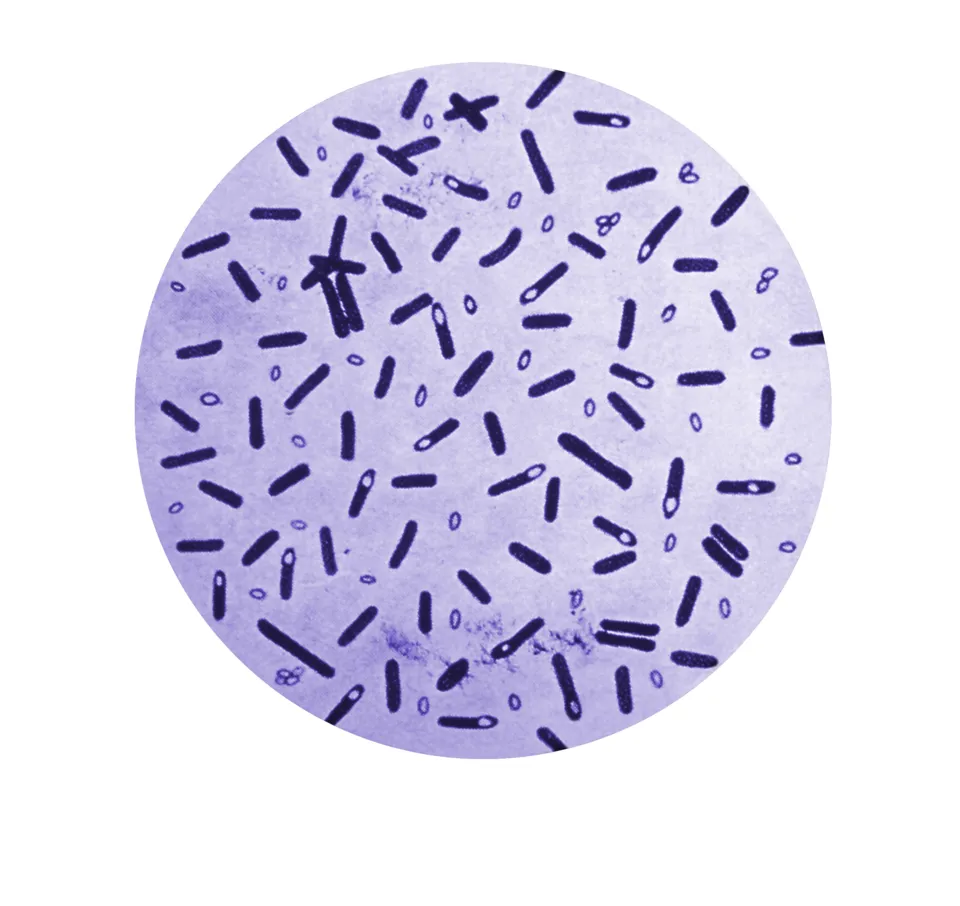
Botulism is a rare, life-threatening paralytic illness caused by botulinum neurotoxin, produced mainly by the anaerobic spore-forming Gram-positive rod Clostridium botulinum. The toxin is absorbed from the gut, a wound or, rarely, injection or inhalation, binds to peripheral cholinergic nerve terminals and cleaves SNARE proteins, preventing acetylcholine release. The result is an afebrile, symmetrical, descending flaccid paralysis that begins with cranial nerves (ptosis, diplopia, blurred vision, dysarthria, dysphagia, dysphonia), then affects the neck, arms, respiratory muscles and legs, with intact sensation and clear consciousness and anticholinergic features such as dry mouth, dilated pupils, constipation and urinary retention. Forms include foodborne, wound (notably in people who inject drugs), infant (intestinal colonisation, honey), adult intestinal, iatrogenic and inhalational botulism. Diagnosis is clinical, and antitoxin must be given as soon as botulism is suspected, while the public health service is alerted and respiratory function is closely monitored for intubation.
Patient case, mechanism, investigations, management, flashcards and exam-style questions.Open the lesson →
Key facts
- Botulinum toxin is the most potent known toxin; types A, B, E and rarely F cause human disease (E linked to fish and marine foods)
- Toxin cleaves SNARE proteins (SNAP-25, syntaxin or synaptobrevin) and blocks acetylcholine release at the neuromuscular junction and autonomic synapses
- Classic picture: afebrile, alert patient with symmetrical cranial nerve palsies and descending flaccid paralysis, without sensory loss
- Foodborne incubation is usually 12–36 hours (range 6 hours to 10 days); wound botulism appears after about 4–14 days
- Give antitoxin on clinical suspicion; it neutralises only circulating toxin and does not reverse established paralysis
- Serial vital capacity and inspiratory force guide elective intubation before respiratory arrest
- Infant botulism (usually under 6 months) presents with constipation, poor feeding, weak cry and hypotonia; treat with human botulism immune globulin
- Botulism is a notifiable public health emergency: one case may signal an outbreak or a deliberate release
Differential diagnosis
| Condition | Clues | Key test |
|---|---|---|
| Guillain–Barré syndrome | Ascending weakness, paraesthesia, areflexia, recent infection | CSF high protein with normal cells; nerve conduction studies |
| Miller Fisher syndrome | Ophthalmoplegia, ataxia and areflexia, often descending | Anti-GQ1b antibodies; sensory findings |
| Myasthenia gravis crisis | Fatigable ptosis and diplopia, normal pupils, no autonomic signs | AChR or MuSK antibodies; decremental response to slow repetitive stimulation |
| Lambert–Eaton myasthenic syndrome | Proximal leg weakness, dry mouth, subacute over months, often lung cancer | VGCC antibodies; incremental response after exercise |
| Brainstem stroke | Sudden onset, asymmetric signs, long tract signs | MRI brain with diffusion |
| Tick paralysis | Ascending paralysis in a child after outdoor exposure | Find and remove the tick |
| Diphtheria | Pharyngeal membrane, palatal palsy, later neuropathy and myocarditis | Throat swab culture and toxin testing |
| Organophosphate poisoning | Miosis, secretions, bradycardia, fasciculations | Red cell cholinesterase activity |
Exam pearls
Guideline
CDC Clinical guidelines for diagnosis and treatment of botulism (2021)
References
- Rao AK, Sobel J, Chatham-Stephens K, Luquez C. Clinical guidelines for diagnosis and treatment of botulism, 2021. MMWR Recomm Rep 2021.
- Sobel J. Botulism. Clin Infect Dis 2005.
- Arnon SS, Schechter R, Inglesby TV, et al.. Botulinum toxin as a biological weapon: medical and public health management. JAMA 2001.
- Arnon SS, Schechter R, Maslanka SE, Jewell NP, Hatheway CL. Human botulism immune globulin for the treatment of infant botulism. N Engl J Med 2006.
- Bennett JE, Dolin R, Blaser MJ, eds.. Mandell, Douglas, and Bennett's Principles and Practice of Infectious Diseases. 2020.
- Penman ID, Ralston SH, Strachan MWJ, Hobson RP, eds.. Davidson's Principles and Practice of Medicine. 2022.
Related topics
By Dr Khalid Seidi (B.Sc., M.D.) · MedEd World Clinical Knowledge library. Original teaching content checked against current guidelines (November 2026); confirm the latest local guidance before clinical use. Not a substitute for clinical judgement.