Clinical Knowledge › Internal medicine › Infectious diseases › Central nervous system infections
Viral meningitis
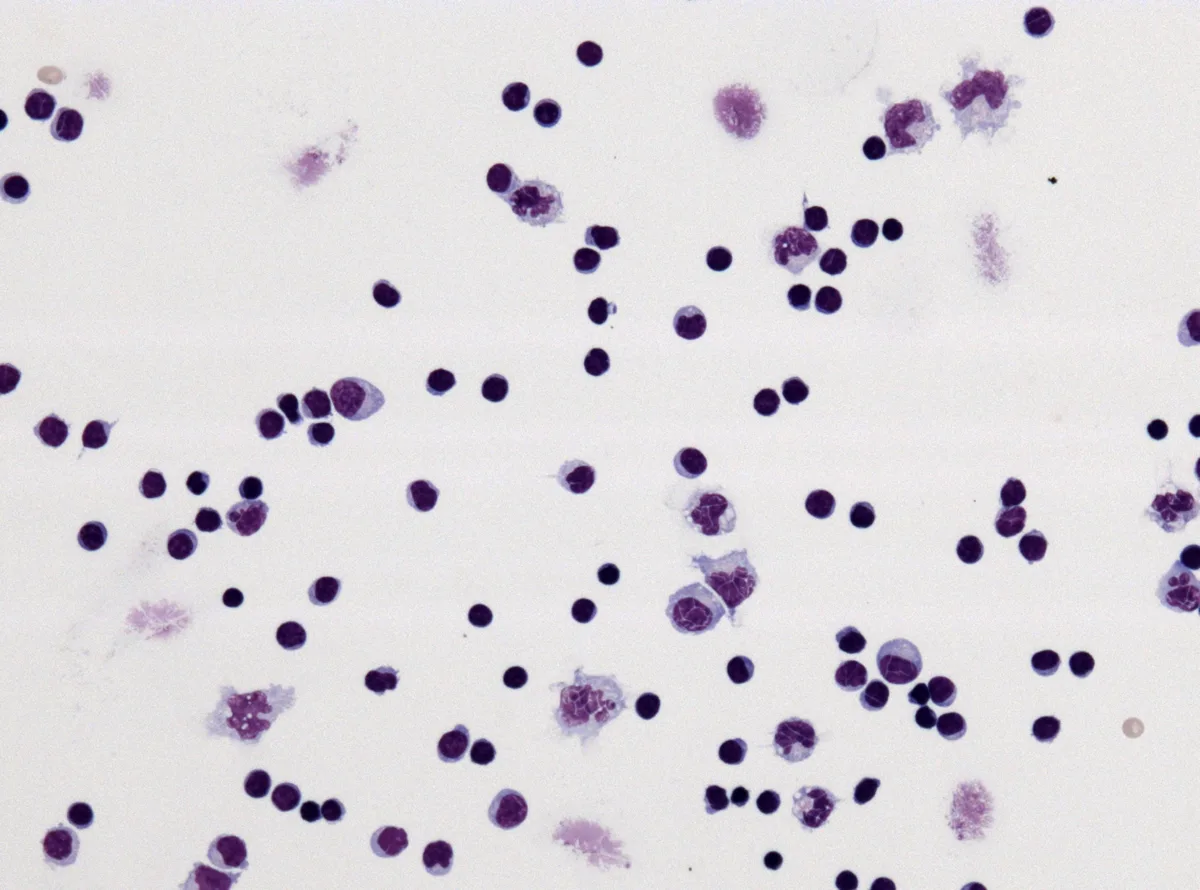
Viral meningitis is the commonest cause of 'aseptic' meningitis. Enteroviruses (echoviruses, coxsackieviruses) cause most cases, with summer and autumn peaks; herpes simplex virus type 2, varicella zoster virus, HIV at seroconversion, mumps and arboviruses are other important causes. Patients have headache, fever, photophobia and neck stiffness, but consciousness and cognition are preserved; confusion, seizures or focal signs suggest encephalitis instead. Because bacterial meningitis cannot be excluded clinically, patients receive empirical antibiotics until lumbar puncture results are known. CSF shows a lymphocytic pleocytosis (neutrophils may predominate in the first 24–48 hours), normal or mildly raised protein and a normal glucose ratio, and CSF PCR identifies the virus so antibiotics can stop. Treatment is supportive: there is no proven antiviral for enteroviral meningitis, and aciclovir is used mainly for VZV or in immunocompromised patients. The illness is usually self-limiting, although headache, fatigue and concentration problems can persist for months.
Patient case, mechanism, investigations, management, flashcards and exam-style questions.Open the lesson →
Key facts
- Enteroviruses cause most viral meningitis in children and adults; HSV-2 and VZV are the next most frequent in adults
- Preserved consciousness and normal cognition distinguish meningitis from encephalitis
- CSF: lymphocytic pleocytosis (usually under 1000 cells/µL), protein normal or below 1 g/L, CSF:blood glucose ratio above 0.6 in most
- Neutrophils can predominate in early viral meningitis; repeat clinical assessment or LP if uncertain
- Treat empirically for bacterial meningitis until CSF results exclude it; stop antibiotics once a viral cause is confirmed and the CSF is reassuring
- HSV-2 causes recurrent benign lymphocytic (Mollaret) meningitis
- Test every adult with viral meningitis for HIV; seroconversion can present as aseptic meningitis
- Persistent headache, fatigue and reduced quality of life affect a substantial minority for months after recovery
Differential diagnosis
| Condition | Clues | Key test |
|---|---|---|
| Bacterial meningitis | Toxic patient, rapid progression, neutrophilic CSF with low glucose | CSF Gram stain, culture, bacterial PCR, blood cultures |
| Partially treated bacterial meningitis | Antibiotics before LP; mixed or lymphocytic CSF | Bacterial PCR on CSF and blood |
| HSV encephalitis | Confusion, behavioural change, seizures, focal signs | MRI and CSF HSV PCR |
| Tuberculous meningitis | Subacute course, cranial nerve palsies, low glucose, very high protein | CSF TB PCR, AFB culture, adenosine deaminase |
| Cryptococcal meningitis | HIV or immunosuppression, raised opening pressure | CSF cryptococcal antigen |
| Drug-induced aseptic meningitis | NSAIDs, trimethoprim, IV immunoglobulin, lamotrigine | Temporal link; resolution on stopping drug |
| Neurosyphilis or Lyme neuroborreliosis | Risk exposure, cranial nerve palsy, rash history | Syphilis serology with CSF VDRL; Lyme serology and CSF antibody index |
Exam pearls
Guideline
UK joint specialist societies guideline on acute meningitis in immunocompetent adults (2016), NICE NG240 Meningitis (bacterial) and meningococcal disease (2024) and IDSA practice guidelines for bacterial meningitis (2004) and encephalitis (2008)
References
- McGill F, Heyderman RS, Michael BD, et al.. The UK joint specialist societies guideline on the diagnosis and management of acute meningitis and meningococcal sepsis in immunocompetent adults. J Infect 2016.
- National Institute for Health and Care Excellence. Meningitis (bacterial) and meningococcal disease: recognition, diagnosis and management (NG240). NICE 2024.
- Tunkel AR, Hartman BJ, Kaplan SL, et al.. Practice guidelines for the management of bacterial meningitis. Clin Infect Dis 2004.
- Tunkel AR, Glaser CA, Bloch KC, et al.. The management of encephalitis: clinical practice guidelines by the Infectious Diseases Society of America. Clin Infect Dis 2008.
- McGill F, Griffiths MJ, Bonnett LJ, et al.. Incidence, aetiology, and sequelae of viral meningitis in UK adults: a multicentre prospective observational cohort study. Lancet Infect Dis 2018.
- Nigrovic LE, Kuppermann N, Macias CG, et al.. Clinical prediction rule for identifying children with cerebrospinal fluid pleocytosis at very low risk of bacterial meningitis. JAMA 2007.
Related topics
By Dr Khalid Seidi (B.Sc., M.D.) · MedEd World Clinical Knowledge library. Original teaching content checked against current guidelines (November 2026); confirm the latest local guidance before clinical use. Not a substitute for clinical judgement.