Clinical Knowledge › Obstetrics and gynaecology › Postpartum care and complications
Breastfeeding problems and lactational mastitis
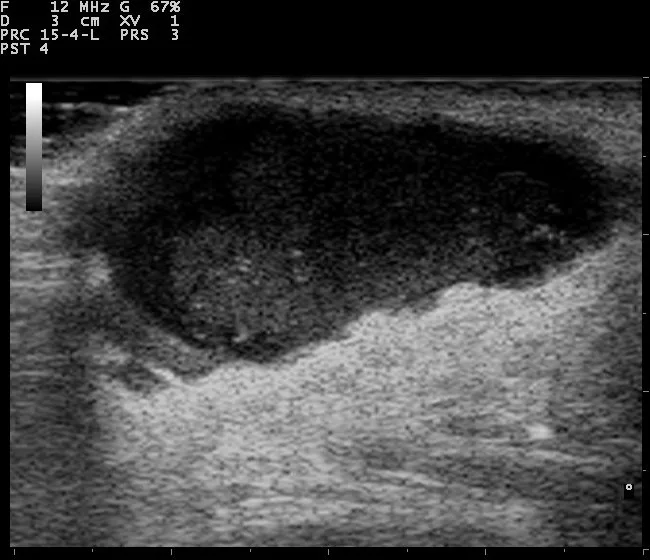
Most breastfeeding problems arise in the first weeks and stem from ineffective milk removal: poor positioning and attachment, infrequent feeds or oversupply. Common presentations are nipple pain and trauma, engorgement on days 3–5 as secretory activation begins, perceived or true low supply, and the mastitis spectrum. The Academy of Breastfeeding Medicine 2022 protocol reframes mastitis as a continuum from ductal narrowing and inflammatory mastitis to bacterial mastitis, phlegmon and abscess, driven by tissue oedema and dysbiosis rather than 'blocked ducts'. Management is to keep feeding the baby on demand without over-pumping or deep massage, use cold packs and NSAIDs, and start antibiotics against Staphylococcus aureus (for example flucloxacillin) if symptoms do not improve within 12–24 hours or the woman is systemically unwell. A fluctuant or persistent mass needs ultrasound and needle aspiration. Inflammatory breast cancer must be excluded when 'mastitis' fails to settle. Skilled support, early recognition and continued breastfeeding protect both mother and baby.
Patient case, mechanism, investigations, management, flashcards and exam-style questions.Open the lesson →
Key facts
- Secretory activation (lactogenesis II) occurs 30–72 hours after birth, triggered by progesterone withdrawal after placental delivery; it is delayed by retained placenta, diabetes, obesity and caesarean birth
- Prolactin drives milk synthesis; oxytocin causes the let-down reflex; supply depends on frequent, effective milk removal (feedback inhibitor of lactation)
- Nipple pain beyond the first minute of a feed or damaged nipples usually means poor attachment; check for tongue tie and nipple vasospasm
- Engorgement peaks on days 3–5: frequent feeding, reverse pressure softening, cold compresses and analgesia; avoid excessive pumping
- ABM 2022 mastitis spectrum: ductal narrowing, inflammatory mastitis, bacterial mastitis, phlegmon, abscess, galactocele and subacute (dysbiotic) mastitis
- Antibiotics if no improvement in 12–24 hours or systemically unwell: flucloxacillin 500 mg four times daily for 10–14 days in UK practice (cefalexin or clarithromycin if penicillin allergic; teaching doses)
- Breast abscess (about 3% of mastitis): ultrasound then needle aspiration or drainage; breastfeeding can usually continue
- WHO: initiate breastfeeding within 1 hour, exclusive breastfeeding for 6 months and continued breastfeeding to 2 years or beyond
Differential diagnosis
| Condition | Clues | Key test |
|---|---|---|
| Engorgement | Bilateral, diffuse fullness on days 3–5, no focal erythema, afebrile or low-grade fever | Clinical |
| Inflammatory mastitis | Unilateral wedge-shaped tender erythema, flu-like symptoms | Clinical; milk culture if severe or recurrent |
| Breast abscess | Persistent fluctuant tender mass despite antibiotics | Breast ultrasound and aspiration |
| Galactocele | Painless cystic lump, milk-filled | Ultrasound; aspiration yields milk |
| Inflammatory breast cancer | Peau d'orange, diffuse erythema not responding to antibiotics, axillary nodes | Ultrasound, mammography, core biopsy |
| Nipple vasospasm (Raynaud phenomenon) | Blanching then purple nipple after feeds with throbbing pain, worse in cold | Clinical |
| Nipple candidiasis | Burning pain, shiny pink nipple, infant oral thrush | Clinical; diagnosis often overused |
Exam pearls
Guideline
Academy of Breastfeeding Medicine Clinical Protocol #36: The Mastitis Spectrum (revised 2022); WHO guideline on breastfeeding in facilities providing maternity and newborn services (2017) and Ten Steps (2018); NICE NG194 Postnatal care (2021)
References
- Mitchell KB, Johnson HM, Rodríguez JM, et al.. Academy of Breastfeeding Medicine Clinical Protocol #36: The Mastitis Spectrum, Revised 2022. Breastfeed Med 2022.
- World Health Organization. Guideline: protecting, promoting and supporting breastfeeding in facilities providing maternity and newborn services. World Health Organization, Geneva 2017.
- World Health Organization and UNICEF. Implementation guidance: protecting, promoting and supporting breastfeeding in facilities providing maternity and newborn services – the revised Baby-friendly Hospital Initiative. World Health Organization, Geneva 2018.
- National Institute for Health and Care Excellence. Postnatal care (NG194). NICE guideline NG194 2021.
- World Health Organization. Mastitis: causes and management. WHO/FCH/CAH/00.13, Geneva 2000.
- Jahanfar S, Ng CJ, Teng CL.. Antibiotics for mastitis in breastfeeding women. Cochrane Database Syst Rev 2013.
Related topics
By Dr Khalid Seidi (B.Sc., M.D.) · MedEd World Clinical Knowledge library. Original teaching content checked against current guidelines (November 2026); confirm the latest local guidance before clinical use. Not a substitute for clinical judgement.