Clinical Knowledge › Obstetrics and gynaecology › Postpartum care and complications
Puerperal sepsis
Puerperal sepsis is infection of the genital tract, or of another site, after birth or miscarriage that leads to life-threatening organ dysfunction. WHO defines maternal sepsis as organ dysfunction from infection during pregnancy, childbirth, after abortion or in the postpartum period (to 42 days). Sepsis remains a leading direct cause of maternal death worldwide and in the UK. The commonest source is endometritis, especially after caesarean birth, prolonged ruptured membranes, chorioamnionitis or manual removal of placenta; other sources are wound infection, urinary tract infection, mastitis, pneumonia and necrotising fasciitis. Escherichia coli is the most frequent organism overall, while invasive group A streptococcus causes the most rapid and lethal disease, often with severe pain and early shock before fever. Women can look well until they collapse, so early warning scores and a low threshold to 'think sepsis' are essential. Management follows a 1-hour bundle: oxygen, blood cultures, lactate, broad-spectrum IV antibiotics (for example piperacillin–tazobactam or a carbapenem, plus clindamycin when group A streptococcus is suspected), fluids and urine output, with senior and critical care input and urgent source control.
Patient case, mechanism, investigations, management, flashcards and exam-style questions.Open the lesson →
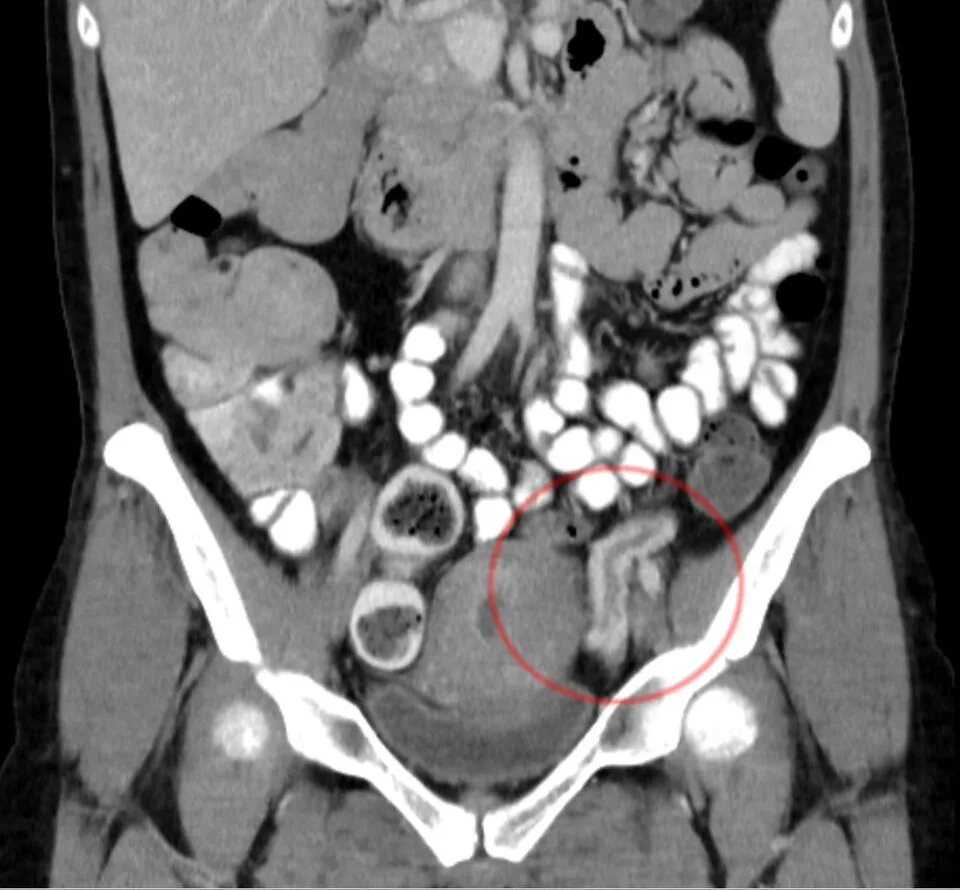
Key facts
- WHO (2017): maternal sepsis is life-threatening organ dysfunction resulting from infection during pregnancy, childbirth, post-abortion or the postpartum period (up to 42 days)
- Classic WHO puerperal sepsis criteria: genital tract infection from rupture of membranes or labour to day 42 with two or more of pelvic pain, fever 38.5 °C or more, abnormal or offensive discharge, and delayed uterine involution
- Endometritis is the commonest source; caesarean birth (especially in labour) raises the risk several-fold compared with vaginal birth
- Organisms: E. coli (most common), group A streptococcus (most lethal), GBS, Staphylococcus aureus including MRSA, anaerobes, Clostridium species
- Red flags: maternal tachycardia, tachypnoea, hypotension, confusion, mottled skin, oliguria, lactate 2 mmol/L or more, severe pain out of proportion, diarrhoea and vomiting
- Give IV broad-spectrum antibiotics within 1 hour of recognising sepsis; add clindamycin (toxin suppression) for suspected invasive group A streptococcus
- Source control: evacuate retained products, drain abscesses, debride necrotising infection, hysterectomy if myometrial necrosis
- Invasive GAS in the mother or neonate within the first 28 days: give antibiotic prophylaxis to both mother and baby (UKHSA) and notify public health
Differential diagnosis
| Condition | Clues | Key test |
|---|---|---|
| Endometritis | Fever, uterine tenderness, offensive lochia, subinvolution | Clinical; swabs, blood cultures, ultrasound for retained products |
| Caesarean wound infection or necrotising fasciitis | Erythema, discharge; severe pain and skin necrosis in fasciitis | Wound swab; urgent surgical exploration if necrotising |
| Pyelonephritis | Loin pain, rigors, dysuria | Urine culture, renal ultrasound |
| Mastitis or breast abscess | Painful, red, wedge-shaped breast area with fever | Clinical; ultrasound for abscess |
| Pneumonia, influenza or COVID-19 | Cough, breathlessness, hypoxia | Chest X-ray, viral PCR |
| Pulmonary embolism or ovarian vein thrombosis | Tachycardia and low-grade fever; persistent fever despite antibiotics | CTPA; CT or MRI venography of pelvic veins |
| Clostridioides difficile infection | Diarrhoea after antibiotics | Stool toxin testing |
| Postpartum pre-eclampsia or HELLP | Hypertension, headache, epigastric pain, abnormal LFTs | BP, platelets, LFTs, urine PCR |
Exam pearls
Guideline
RCOG Green-top Guideline No. 64 Identification and management of maternal sepsis during and following pregnancy (2nd edition, December 2024); SMFM Consult Series #67 Maternal sepsis (2023); WHO maternal sepsis definition (2017) and WHO recommendations for prevention and treatment of maternal peripartum infections (2015); NICE NG51 Suspected sepsis (updated 2024)
References
- Royal College of Obstetricians and Gynaecologists. Identification and management of maternal sepsis during and following pregnancy: Green-top Guideline No. 64. RCOG Green-top Guideline (published in BJOG) 2024.
- Bonet M, Nogueira Pileggi V, Rijken MJ, et al.. Towards a consensus definition of maternal sepsis: results of a systematic review and expert consultation. Reprod Health 2017.
- Shields AD, Plante LA, Pacheco LD, et al.. Society for Maternal-Fetal Medicine Consult Series #67: Maternal sepsis. Am J Obstet Gynecol 2023.
- National Institute for Health and Care Excellence. Suspected sepsis: recognition, diagnosis and early management (NG51). NICE guideline NG51 2024.
- World Health Organization. WHO recommendations for prevention and treatment of maternal peripartum infections. World Health Organization, Geneva 2015.
- Evans L, Rhodes A, Alhazzani W, et al.. Surviving Sepsis Campaign: international guidelines for management of sepsis and septic shock 2021. Crit Care Med 2021.
Related topics
By Dr Khalid Seidi (B.Sc., M.D.) · MedEd World Clinical Knowledge library. Original teaching content checked against current guidelines (November 2026); confirm the latest local guidance before clinical use. Not a substitute for clinical judgement.