Clinical Knowledge › Obstetrics and gynaecology › Normal pregnancy and antenatal care
Common symptoms of pregnancy
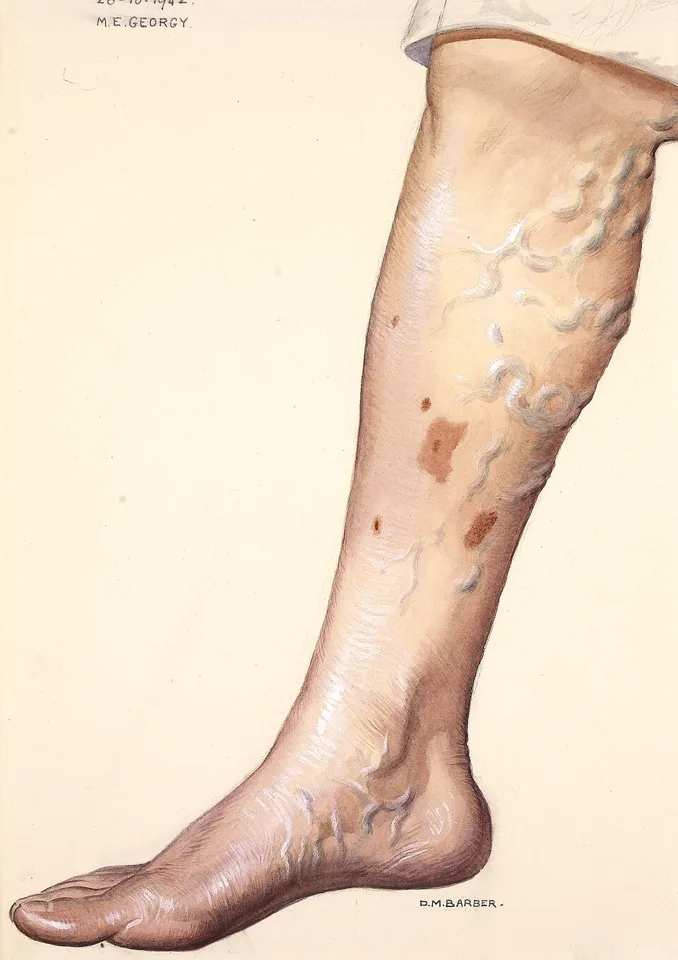
Most pregnant women experience minor symptoms caused by normal physiological change: rising hCG, progesterone and oestrogen, relaxin-mediated ligament laxity, a 40–50% rise in plasma volume, increased minute ventilation and the mechanical effects of the enlarging uterus. Nausea and vomiting affect up to 80% of women, start at 4–7 weeks, peak around 9–12 weeks and settle by 16–20 weeks in most. Heartburn, constipation, haemorrhoids, backache and pelvic girdle pain, leg cramps, varicose veins, carpal tunnel symptoms, physiological vaginal discharge, breathlessness, fatigue and dependent oedema are common later. Management is reassurance, lifestyle advice and, where needed, medicines with established pregnancy safety (for example antihistamine antiemetics, alginates, bulk-forming laxatives and paracetamol). The key clinical skill is recognising when a 'common symptom' signals disease: epigastric pain or sudden oedema with hypertension (pre-eclampsia), itching of palms and soles (intrahepatic cholestasis), breathlessness with tachycardia (pulmonary embolism, cardiomyopathy), or back pain with fever (pyelonephritis).
Patient case, mechanism, investigations, management, flashcards and exam-style questions.Open the lesson →
Key facts
- Nausea and vomiting of pregnancy affect up to 80%: onset 4–7 weeks, peak about 9–12 weeks, resolved by 20 weeks in about 90%
- Hyperemesis gravidarum = protracted vomiting with the triad of more than 5% pre-pregnancy weight loss, dehydration and electrolyte imbalance; ketonuria is not a measure of severity
- First-line antiemetics: antihistamines (cyclizine, promethazine), phenothiazines (prochlorperazine) or doxylamine/pyridoxine; ondansetron and metoclopramide are second line
- Heartburn affects up to 80% by the third trimester (progesterone relaxes the lower oesophageal sphincter); alginates or antacids first, then an H2 blocker (e.g. famotidine) or omeprazole
- Pelvic girdle pain affects about 1 in 5; physiotherapy, support and paracetamol; it is not an indication for caesarean birth
- Supine hypotension after about 20 weeks results from aortocaval compression; advise left lateral tilt and avoid lying flat for long
- Generalised itching without rash, worse on palms and soles at night, needs LFTs and bile acids to exclude intrahepatic cholestasis of pregnancy
- New headache, visual disturbance, epigastric pain or sudden face/hand swelling after 20 weeks = check blood pressure and urine for pre-eclampsia
Differential diagnosis
| Condition | Clues | Key test |
|---|---|---|
| Pre-eclampsia/HELLP | Epigastric or right upper quadrant pain, headache, oedema after 20 weeks | BP, urine PCR, platelets, LFTs, creatinine |
| Intrahepatic cholestasis of pregnancy | Itch of palms and soles without rash in the third trimester | Non-fasting bile acids 19 µmol/L or more, LFTs |
| Pulmonary embolism | Sudden breathlessness, pleuritic pain, tachycardia, hypoxia | ECG, CXR, CTPA or V/Q; leg Doppler |
| Pyelonephritis | Loin pain, fever, rigors, dysuria | Urine culture, FBC, CRP |
| Preterm labour | Regular tightening and lower backache before 37 weeks | Speculum, fetal fibronectin or cervical length |
| Hyperemesis gravidarum and its mimics | Persistent vomiting, weight loss; mimics include UTI, thyrotoxicosis, molar pregnancy | PUQE, U&E, TFT, urine culture, ultrasound |
| Peripartum cardiomyopathy / heart disease | Orthopnoea, PND, persistent tachycardia, raised JVP | ECG, BNP, echocardiogram |
| Cauda equina syndrome | Back pain with saddle anaesthesia, urinary retention or bilateral leg symptoms | Urgent MRI (safe in pregnancy) |
Exam pearls
Guideline
NICE NG201 Antenatal care (2021); RCOG Green-top Guideline No. 69 Nausea and vomiting in pregnancy and hyperemesis gravidarum (2024); WHO recommendations on antenatal care for a positive pregnancy experience (2016)
References
- National Institute for Health and Care Excellence. Antenatal care (NG201). NICE guideline NG201 2021.
- Nelson-Piercy C, Dean C, Shehmar M, et al.. The management of nausea and vomiting in pregnancy and hyperemesis gravidarum (Green-top Guideline No. 69). BJOG 2024.
- World Health Organization. WHO recommendations on antenatal care for a positive pregnancy experience. World Health Organization, Geneva 2016.
- American College of Obstetricians and Gynecologists. Practice Bulletin No. 189: Nausea and vomiting of pregnancy. Obstet Gynecol 2018.
- Luo L, Zhou K, Zhang J, Xu L, Yin W.. Interventions for leg cramps in pregnancy. Cochrane Database Syst Rev 2020.
- Medicines and Healthcare products Regulatory Agency. Paracetamol and pregnancy: reminder that taking paracetamol during pregnancy remains safe. Drug Safety Update 2025.
Related topics
By Dr Khalid Seidi (B.Sc., M.D.) · MedEd World Clinical Knowledge library. Original teaching content checked against current guidelines (November 2026); confirm the latest local guidance before clinical use. Not a substitute for clinical judgement.