Clinical Knowledge › Obstetrics and gynaecology › Normal pregnancy and antenatal care
Nutrition, supplements and lifestyle in pregnancy
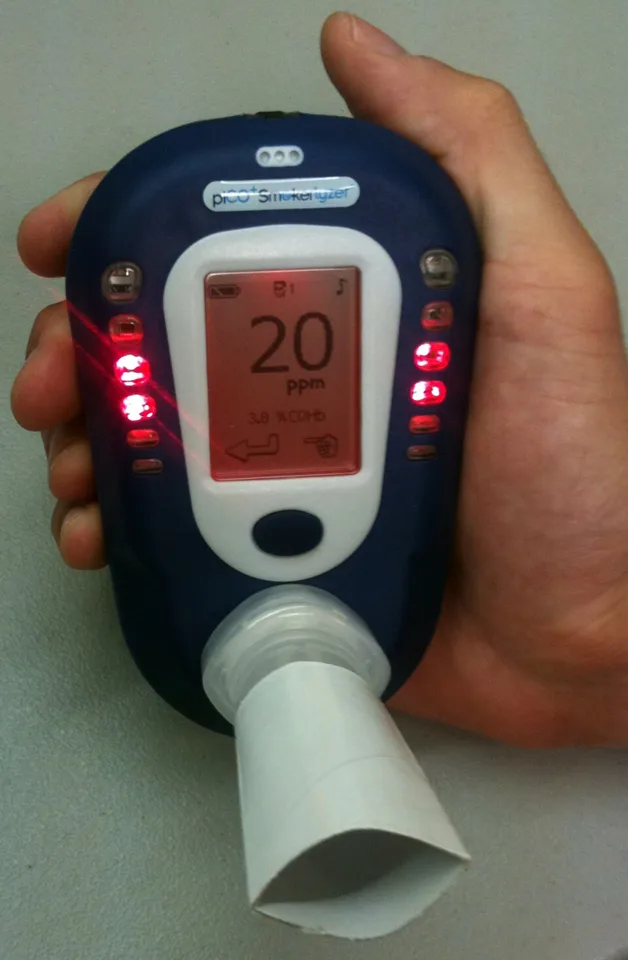
Advice on diet, supplements and lifestyle is one of the most effective, low-cost parts of antenatal care. Folic acid 400 micrograms daily from before conception until 12 weeks reduces neural tube defects (the MRC Vitamin Study showed a 72% reduction in recurrence), and 5 mg daily is advised for women at higher risk, such as those with a previous neural tube defect, diabetes, BMI 30 kg/m² or more, some antiepileptic drugs or haemoglobinopathy. UK guidance adds vitamin D 10 micrograms daily throughout pregnancy and breastfeeding; WHO recommends daily iron with folic acid for all pregnant women and high-dose calcium where dietary intake is low, to reduce pre-eclampsia. Energy needs rise only modestly (about 200 kcal/day in the third trimester), so 'eating for two' is wrong; weight gain targets depend on pre-pregnancy BMI. Food safety advice reduces listeriosis, toxoplasmosis and excess vitamin A. No alcohol is the safest choice, smoking cessation with carbon monoxide testing and nicotine replacement is a priority, caffeine should stay below 200 mg/day, and 150 minutes of moderate activity per week is encouraged. Inactivated vaccines (influenza, pertussis, COVID-19, RSV) protect mother and infant.
Patient case, mechanism, investigations, management, flashcards and exam-style questions.Open the lesson →
Key facts
- Folic acid 400 micrograms daily from preconception to 12 weeks; 5 mg daily if previous NTD, family history, diabetes, BMI 30 or more, antiepileptic drugs, sickle cell disease/thalassaemia or malabsorption
- Vitamin D 10 micrograms (400 IU) daily throughout pregnancy and breastfeeding (UK); higher doses may be advised for darker skin or limited sun exposure
- WHO: daily oral iron 30–60 mg elemental plus 400 micrograms folic acid for all pregnant women; UK offers iron only if Hb is below 110 g/L (first trimester) or 105 g/L (from 28 weeks)
- WHO: calcium 1.5–2.0 g/day where dietary calcium is low reduces pre-eclampsia, mainly in low-intake populations
- Avoid vitamin A (retinol) supplements and liver products, unpasteurised milk, mould-ripened and soft blue cheeses unless cooked, pâté, raw or undercooked meat; limit oily fish to 2 portions a week and avoid shark, swordfish and marlin
- IOM 2009 total weight gain: underweight 12.5–18 kg; normal BMI 11.5–16 kg; overweight 7–11.5 kg; obese 5–9 kg
- No safe level of alcohol is known; smoking doubles the risk of stillbirth and growth restriction; caffeine below 200 mg/day
- Inactivated vaccines in pregnancy: influenza (any trimester), pertussis (from 16 weeks in the UK), COVID-19 and RSV; avoid live vaccines (MMR, varicella)
Differential diagnosis
| Condition | Clues | Key test |
|---|---|---|
| Iron deficiency anaemia of pregnancy | Hb below 110 g/L (first trimester) or 105 g/L (later), low ferritin | FBC, ferritin (below 30 micrograms/L) |
| Physiological dilutional anaemia | Plasma volume rises more than red cell mass; ferritin normal | Ferritin and indices |
| Vitamin B12 deficiency | Vegan diet, pernicious anaemia, metformin, previous bariatric surgery | B12, macrocytosis |
| Hyperemesis gravidarum causing malnutrition | Weight loss over 5%, ketosis-independent dehydration | U&E, weight, thiamine status |
| Gestational diabetes | Obesity, excess weight gain, large-for-dates | 75 g OGTT at 24–28 weeks |
| Eating disorder | Low BMI, restriction, purging, excessive exercise | Sensitive history; perinatal mental health referral |
Exam pearls
Guideline
NICE NG201 Antenatal care (2021); WHO recommendations on antenatal care for a positive pregnancy experience (2016, with nutrition updates); UK Chief Medical Officers' guidance on alcohol (2016) and physical activity (2019); NICE NG209 Tobacco (2021); IOM/National Academies weight-gain guidance (2009)
References
- National Institute for Health and Care Excellence. Antenatal care (NG201). NICE guideline NG201 2021.
- World Health Organization. WHO recommendations on antenatal care for a positive pregnancy experience. World Health Organization, Geneva 2016.
- MRC Vitamin Study Research Group. Prevention of neural tube defects: results of the Medical Research Council Vitamin Study. Lancet 1991.
- Hofmeyr GJ, Lawrie TA, Atallah ÁN, Torloni MR.. Calcium supplementation during pregnancy for preventing hypertensive disorders and related problems. Cochrane Database Syst Rev 2018.
- Institute of Medicine and National Research Council. Weight gain during pregnancy: reexamining the guidelines. National Academies Press, Washington DC 2009.
- National Institute for Health and Care Excellence. Tobacco: preventing uptake, promoting quitting and treating dependence (NG209). NICE guideline NG209 2021.
Related topics
By Dr Khalid Seidi (B.Sc., M.D.) · MedEd World Clinical Knowledge library. Original teaching content checked against current guidelines (November 2026); confirm the latest local guidance before clinical use. Not a substitute for clinical judgement.