Clinical Knowledge › Internal medicine › Haematology and oncology › Relevant pharmacology
Cytotoxic drug classes and toxicities
Cytotoxic drugs kill dividing cells by damaging DNA or blocking its synthesis or the mitotic spindle. The main classes are alkylating agents and platinum compounds, antimetabolites (methotrexate, fluorouracil, cytarabine, thiopurines), microtubule agents (vinca alkaloids, taxanes), topoisomerase inhibitors including anthracyclines, and antitumour antibiotics such as bleomycin. All share toxicity to fast-renewing tissues: myelosuppression with a nadir at 7–14 days, mucositis, alopecia, nausea and infertility. Each class also has signature toxicities that examiners love: haemorrhagic cystitis with cyclophosphamide (prevented by mesna), nephrotoxicity and ototoxicity with cisplatin, cold-induced neuropathy with oxaliplatin, cumulative cardiomyopathy with anthracyclines, pulmonary fibrosis with bleomycin, neuropathy and fatal intrathecal error with vincristine, and life-threatening toxicity with fluoropyrimidines in DPD deficiency, for which pre-treatment DPYD testing is now recommended in Europe, the UK and, since early 2026, in US labelling.
Patient case, mechanism, investigations, management, flashcards and exam-style questions.Open the lesson →
Key facts
- Common toxicities of almost all cytotoxics: myelosuppression (nadir 7–14 days), mucositis, alopecia, nausea and vomiting, infertility and teratogenicity, secondary malignancy
- Cyclophosphamide and ifosfamide: haemorrhagic cystitis from acrolein (prevent with mesna and hydration); ifosfamide also causes encephalopathy and Fanconi syndrome
- Cisplatin: nephrotoxicity, hypomagnesaemia, ototoxicity, peripheral neuropathy and severe emesis; carboplatin is less nephrotoxic but more myelosuppressive (Calvert formula dosing)
- Methotrexate: folate antagonist (DHFR); toxicity is rescued by folinic acid; high-dose therapy needs hydration, urinary alkalinisation and levels; trimethoprim, NSAIDs and PPIs raise levels
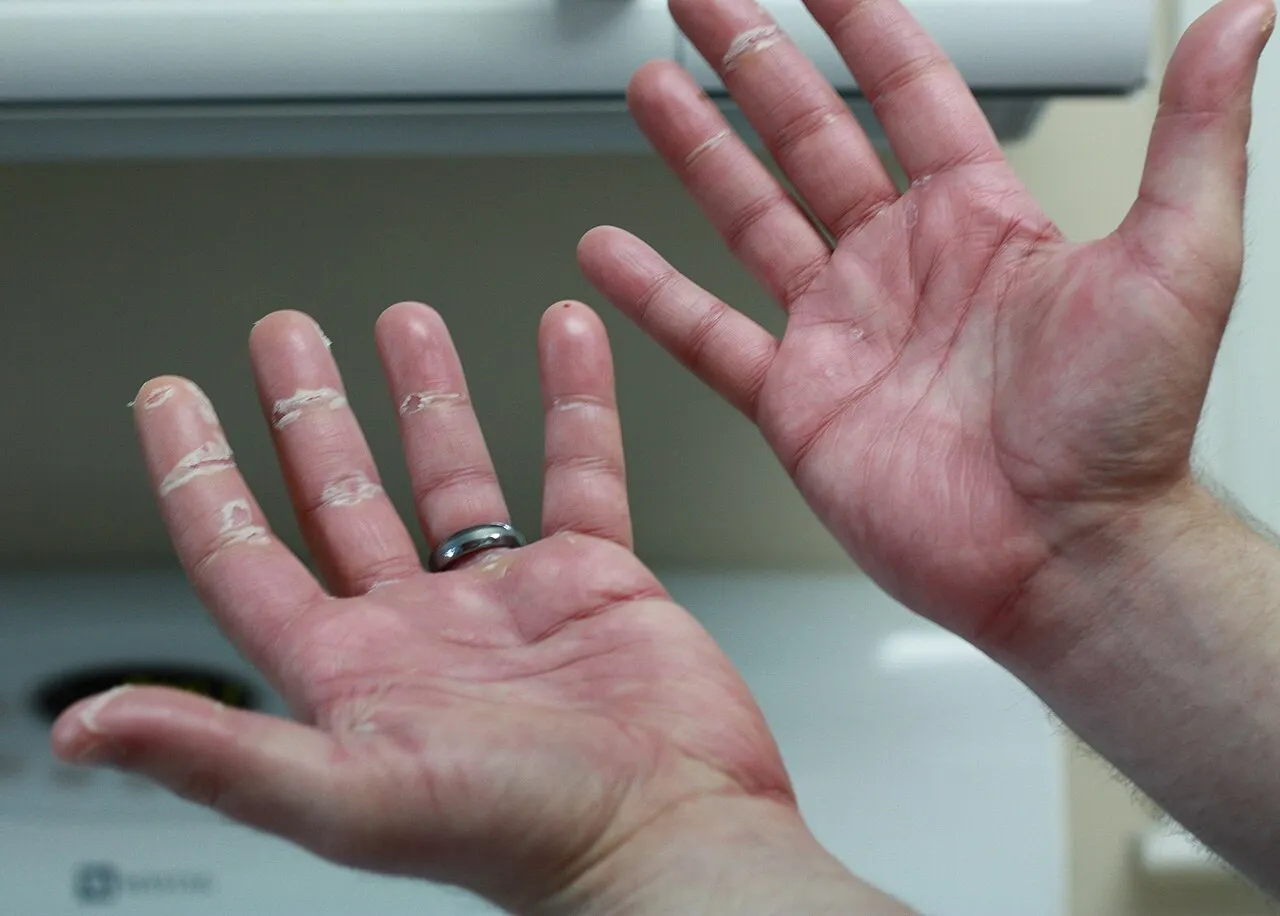
- Fluorouracil and capecitabine: mucositis, diarrhoea, hand–foot syndrome, coronary vasospasm; severe or fatal toxicity in DPD deficiency, so test DPYD (or DPD activity) before starting
- Anthracyclines (doxorubicin): cumulative dose-dependent cardiomyopathy (risk rises steeply above about 400–450 mg/m² doxorubicin), red urine, extravasation necrosis (dexrazoxane)
- Bleomycin: pulmonary fibrosis, worse with high oxygen, age, kidney impairment and cumulative dose above about 400 units; vincristine: neuropathy, constipation, SIADH; fatal if given intrathecally
- Irinotecan: early cholinergic diarrhoea (atropine) and late diarrhoea (loperamide); UGT1A1*28 homozygotes have more neutropenia
Differential diagnosis
| Condition | Clues | Key test |
|---|---|---|
| Anthracycline cardiomyopathy | Breathlessness, falling LVEF months to years after doxorubicin | Echocardiogram, troponin, BNP |
| Bleomycin lung toxicity | Dry cough, crackles and restrictive defect during Hodgkin lymphoma treatment | HRCT, transfer factor (DLCO) |
| Pneumocystis or other infection | Fever, hypoxia and ground-glass change after chemotherapy and steroids | Induced sputum or BAL PCR, beta-D-glucan |
| Cisplatin nephrotoxicity | Rising creatinine, hypomagnesaemia, hypokalaemia after cisplatin | U&E, magnesium |
| Tumour lysis syndrome | AKI with high potassium, phosphate and urate within days of first cycle | Cairo–Bishop laboratory criteria |
| Chemotherapy-induced peripheral neuropathy | Stocking-glove sensory loss with taxanes, vinca alkaloids or platinum | Clinical; nerve conduction if atypical |
| Fluoropyrimidine toxicity from DPD deficiency | Severe mucositis, diarrhoea and neutropenia in cycle 1 | DPYD genotype, uracil level |
Exam pearls
Guideline
2022 ESC cardio-oncology guideline; 2023 MASCC/ESMO antiemetic guideline update; CPIC DPYD–fluoropyrimidine guideline (2017 update); EMA (2020) and FDA (2026) DPD testing advice; ASCO neuropathy guideline (2020); ESMO–EONS extravasation guideline (2012)
References
- Brunton LL, Knollmann BC (eds). Goodman & Gilman's The Pharmacological Basis of Therapeutics, 14th edition. McGraw Hill 2023.
- Lyon AR, López-Fernández T, Couch LS, et al.. 2022 ESC Guidelines on cardio-oncology. Eur Heart J 2022.
- Herrstedt J, Clark-Snow R, Ruhlmann CH, et al.. 2023 MASCC and ESMO guideline update for the prevention of chemotherapy- and radiotherapy-induced nausea and vomiting. ESMO Open 2024.
- Amstutz U, Henricks LM, Offer SM, et al.. Clinical Pharmacogenetics Implementation Consortium (CPIC) guideline for dihydropyrimidine dehydrogenase genotype and fluoropyrimidine dosing: 2017 update. Clin Pharmacol Ther 2018.
- US Food and Drug Administration. Safety labeling update: capecitabine and fluorouracil (5-FU) risks associated with dihydropyrimidine dehydrogenase deficiency. FDA 2026.
- Pérez Fidalgo JA, García Fabregat L, Cervantes A, et al.. Management of chemotherapy extravasation: ESMO–EONS Clinical Practice Guidelines. Ann Oncol 2012.
Related topics
By Dr Khalid Seidi (B.Sc., M.D.) · MedEd World Clinical Knowledge library. Original teaching content checked against current guidelines (November 2026); confirm the latest local guidance before clinical use. Not a substitute for clinical judgement.