Clinical Knowledge › Internal medicine › Haematology and oncology › Relevant pharmacology
Reversal of anticoagulation
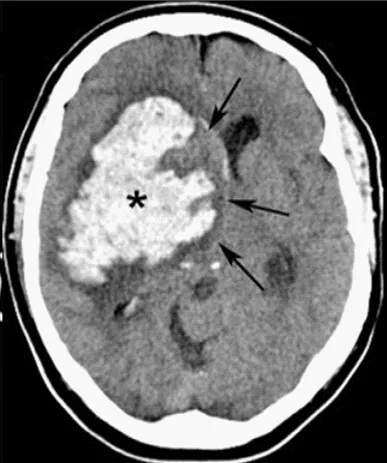
Reversal of anticoagulation is needed for life-threatening or critical-site bleeding and before emergency surgery that cannot wait for the drug to wear off. The approach depends on the drug. Warfarin and other vitamin K antagonists are reversed with four-factor prothrombin complex concentrate (PCC, 25–50 units/kg) plus intravenous vitamin K 5–10 mg; fresh frozen plasma is a slower, less effective fallback. Dabigatran has a specific antidote, idarucizumab 5 g IV, and is also removed by haemodialysis. For factor Xa inhibitors (apixaban, rivaroxaban, edoxaban) andexanet alfa restores haemostasis but ANNEXA-I (2024) showed more thrombotic events, including stroke, and it was withdrawn from the US market in late 2025; PCC 50 units/kg is the common alternative. Unfractionated heparin is fully reversed by protamine, low-molecular-weight heparin only partly. Every reversal is combined with general measures: stop the drug, resuscitate, control the source, consider tranexamic acid, and plan when to restart anticoagulation, because reversal exposes the patient to thrombosis.
Patient case, mechanism, investigations, management, flashcards and exam-style questions.Open the lesson →
Key facts
- Major bleeding on warfarin: stop warfarin, give IV vitamin K 5–10 mg and four-factor PCC 25–50 units/kg (teaching dose; check local formulary); recheck INR 30 minutes after PCC
- Vitamin K takes 4–6 hours (IV) to start working and about 24 hours for full effect; PCC works within minutes, so both are needed
- INR above 8 without bleeding: withhold warfarin and give oral vitamin K 1–5 mg; INR 5–8 without bleeding: withhold 1–2 doses and reduce the maintenance dose
- Dabigatran: idarucizumab 5 g IV (two 2.5 g vials) reverses the effect within minutes; dabigatran is also dialysable
- Factor Xa inhibitors: andexanet alfa (where available) or PCC 50 units/kg; ANNEXA-I (2024) showed better haemostatic efficacy in ICH but more thrombotic events with andexanet
- Unfractionated heparin: protamine 1 mg per 100 units of heparin given in the previous 2–3 hours (maximum 50 mg); LMWH is only about 60% reversible
- Do not give platelet transfusion for antiplatelet-associated spontaneous intracerebral haemorrhage without surgery (PATCH 2016 showed harm)
- Tranexamic acid 1 g IV is a useful adjunct in many bleeding situations but not a substitute for specific reversal
Differential diagnosis
| Condition | Clues | Key test |
|---|---|---|
| Supratherapeutic warfarin from interaction (antibiotics, amiodarone) | INR markedly raised after a new drug | INR; medication review |
| Liver disease coagulopathy | Raised INR not on warfarin, low albumin | Liver tests; vitamin K response |
| Vitamin K deficiency (malnutrition, antibiotics, cholestasis) | Raised PT corrected by vitamin K | PT/INR before and after vitamin K |
| Disseminated intravascular coagulation | Sepsis or trauma, low platelets and fibrinogen | Platelets, fibrinogen, D-dimer, ISTH score |
| Acquired haemophilia A | Large bruises, isolated prolonged APTT not correcting on mixing | Mixing study, factor VIII and inhibitor assay |
| Uraemic platelet dysfunction | CKD with bleeding and normal coagulation tests | Urea; consider desmopressin |
| Accumulation of DOAC in AKI | Bleeding with falling eGFR on dabigatran or rivaroxaban | Drug-specific level, creatinine |
Exam pearls
Guideline
BSH guidelines on oral anticoagulation with warfarin (4th edition, 2011); 2020 ACC Expert Consensus Decision Pathway on bleeding with oral anticoagulants; 2022 AHA/ASA spontaneous ICH guideline; ESO 2019 reversal guideline; EHRA practical guide on NOACs (2021); ANNEXA-I trial (2024)
References
- Keeling D, Baglin T, Tait C, et al.. Guidelines on oral anticoagulation with warfarin – fourth edition. Br J Haematol 2011.
- Connolly SJ, Sharma M, Cohen AT, et al.. Andexanet for factor Xa inhibitor-associated acute intracerebral hemorrhage. N Engl J Med 2024.
- Pollack CV Jr, Reilly PA, van Ryn J, et al.. Idarucizumab for dabigatran reversal - full cohort analysis. N Engl J Med 2017.
- Connolly SJ, Crowther M, Eikelboom JW, et al.. Full study report of andexanet alfa for bleeding associated with factor Xa inhibitors. N Engl J Med 2019.
- Tomaselli GF, Mahaffey KW, Cuker A, et al.. 2020 ACC Expert Consensus Decision Pathway on management of bleeding in patients on oral anticoagulants. J Am Coll Cardiol 2020.
- Greenberg SM, Ziai WC, Cordonnier C, et al.. 2022 Guideline for the management of patients with spontaneous intracerebral hemorrhage. Stroke 2022.
Related topics
By Dr Khalid Seidi (B.Sc., M.D.) · MedEd World Clinical Knowledge library. Original teaching content checked against current guidelines (November 2026); confirm the latest local guidance before clinical use. Not a substitute for clinical judgement.