Clinical Knowledge › Internal medicine › Haematology and oncology › Relevant pharmacology
Tyrosine kinase inhibitors
Tyrosine kinase inhibitors (TKIs, the '-tinibs') are oral small molecules that block the kinase activity of receptors or intracellular enzymes driving cancer growth. Most compete with ATP in the kinase pocket; some bind covalently (osimertinib, ibrutinib) and asciminib binds an allosteric myristoyl pocket. Imatinib against BCR::ABL1 in CML proved the model: a single targeted drug can turn a fatal leukaemia into a chronic condition. Today TKIs treat CML and Ph-positive ALL, EGFR- and ALK-driven lung cancer, GIST, renal, liver and thyroid cancers, CLL and mantle cell lymphoma (BTK inhibitors), FLT3-mutated AML and myelofibrosis (JAK inhibitors). They work only when the target is present, so molecular testing comes first. Toxicities follow the target: rash and diarrhoea with EGFR inhibitors, hypertension and proteinuria with VEGFR inhibitors, atrial fibrillation and bleeding with ibrutinib, pleural effusion with dasatinib. Most are CYP3A4 substrates, several prolong QT, and some need acid for absorption. Resistance usually comes from kinase-domain mutations such as T315I or T790M.
Patient case, mechanism, investigations, management, flashcards and exam-style questions.Open the lesson →
Key facts
- TKIs block phosphorylation of tyrosine residues by competing with ATP (type I/II), binding covalently to a cysteine (osimertinib C797, ibrutinib C481) or binding allosterically (asciminib)
- A target must be proven before treatment: BCR::ABL1 (CML, Ph+ ALL), EGFR mutation or ALK fusion (NSCLC), KIT/PDGFRA (GIST), FLT3 (AML)
- ELN 2025 CML first-line options: imatinib, a second-generation TKI (dasatinib, nilotinib, bosutinib) or, where approved, asciminib; choice depends on comorbidity, risk score and goals such as treatment-free remission
- Class toxicities: EGFR – acneiform rash, diarrhoea, paronychia, ILD; VEGFR – hypertension, proteinuria, hypothyroidism, hand–foot skin reaction, impaired wound healing
- Drug-specific CML toxicities: imatinib oedema and cramps; dasatinib pleural effusion and pulmonary hypertension; nilotinib QT, hyperglycaemia and arterial events; ponatinib arterial occlusion
- Ibrutinib causes atrial fibrillation, hypertension and bleeding; second-generation BTK inhibitors (acalabrutinib, zanubrutinib) cause less cardiac toxicity
- Most TKIs are CYP3A4 substrates: strong inhibitors (clarithromycin, azoles) raise levels; inducers (rifampicin, St John's wort) lower them; PPIs reduce absorption of dasatinib, erlotinib and gefitinib
- Resistance: gatekeeper mutations (BCR::ABL1 T315I – use ponatinib or asciminib; EGFR T790M – use osimertinib) or bypass pathways such as MET amplification
Differential diagnosis
| Condition | Clues | Key test |
|---|---|---|
| EGFR-inhibitor acneiform rash | Papulopustular rash on face and upper trunk within 2–4 weeks, no comedones | Clinical; swab only if superinfected |
| Acne vulgaris or rosacea | Comedones, teenage onset or flushing without TKI | History and timing |
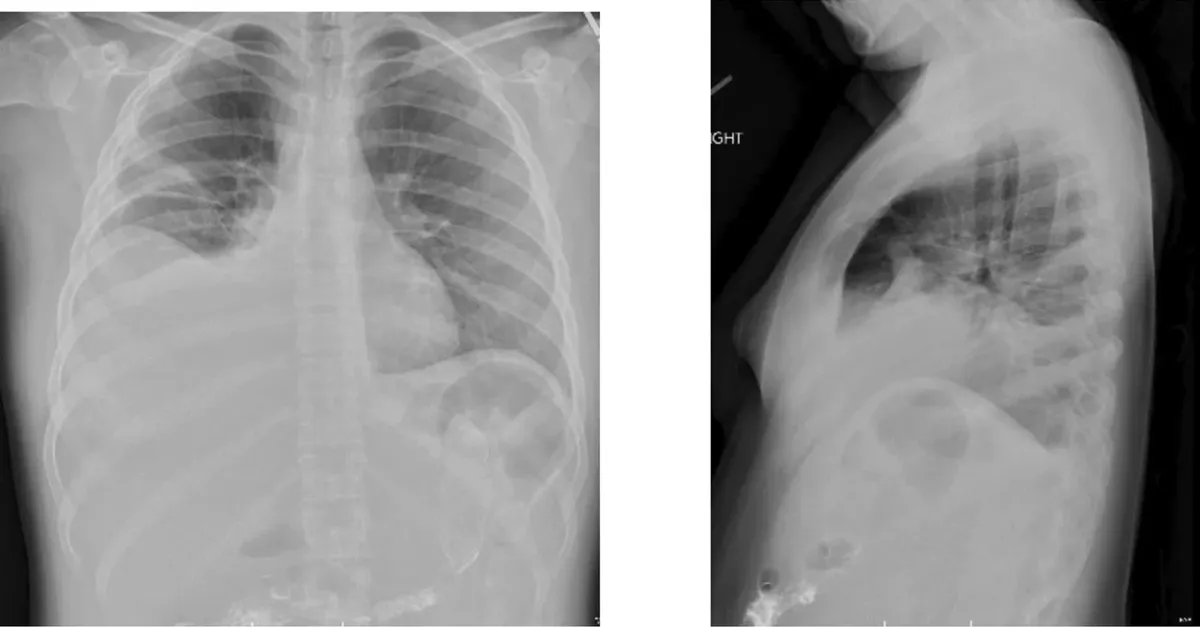
| Dasatinib pleural effusion | Exudative, often lymphocytic, effusion months to years into therapy | Chest X-ray, pleural fluid analysis |
| TKI-associated pneumonitis (ILD) | New cough, breathlessness, ground-glass change, especially with EGFR inhibitors | HRCT, exclude infection, stop drug |
| Drug-induced QT prolongation | Syncope or palpitations on nilotinib, vandetanib or osimertinib with other QT drugs | 12-lead ECG with QTc, potassium, magnesium |
| TKI-induced hypothyroidism | Fatigue, weight gain on sunitinib, lenvatinib or other VEGFR TKIs | TSH and free T4 |
| Disease progression or resistance | Rising BCR::ABL1 transcripts or new lesions despite adherence | BCR::ABL1 kinase-domain mutation analysis, biopsy or liquid biopsy |
Exam pearls
Guideline
European LeukemiaNet 2025 CML recommendations and ESC 2022 cardio-oncology guideline
References
- Apperley JF, Milojkovic D, Cross NCP, et al.. 2025 European LeukemiaNet recommendations for the management of chronic myeloid leukemia. Leukemia 2025.
- Lyon AR, López-Fernández T, Couch LS, et al.. 2022 ESC Guidelines on cardio-oncology developed in collaboration with EHA, ESTRO and IC-OS. Eur Heart J 2022.
- Brunton LL, Knollmann BC (eds). Goodman & Gilman's The Pharmacological Basis of Therapeutics, 14th edition. McGraw Hill 2023.
- Hochhaus A, Wang J, Kim DW, et al.. Asciminib in newly diagnosed chronic myeloid leukemia. N Engl J Med 2024.
- Soria JC, Ohe Y, Vansteenkiste J, et al.. Osimertinib in untreated EGFR-mutated advanced non-small-cell lung cancer. N Engl J Med 2018.
- O'Brien SG, Guilhot F, Larson RA, et al.. Imatinib compared with interferon and low-dose cytarabine for newly diagnosed chronic-phase chronic myeloid leukemia. N Engl J Med 2003.
Related topics
By Dr Khalid Seidi (B.Sc., M.D.) · MedEd World Clinical Knowledge library. Original teaching content checked against current guidelines (November 2026); confirm the latest local guidance before clinical use. Not a substitute for clinical judgement.