Clinical Knowledge › Internal medicine › Gastroenterology and hepatology › Clinical problems
Dyspepsia and functional dyspepsia
Dyspepsia describes bothersome upper abdominal symptoms: epigastric pain or burning, uncomfortable fullness after meals and early satiety. About one adult in five reports it, but most never see a doctor. In patients who are investigated, a structural cause such as peptic ulcer, reflux oesophagitis or, rarely, gastric cancer is found in a minority; the rest have functional dyspepsia, a disorder of gut–brain interaction with two subtypes, postprandial distress syndrome and epigastric pain syndrome. Management depends on age and alarm features. Older patients, or those with weight loss, dysphagia, bleeding or vomiting, need endoscopy. Younger patients without alarm features are offered non-invasive testing and treatment for Helicobacter pylori, then a proton pump inhibitor. Functional dyspepsia that persists is treated with a low-dose tricyclic antidepressant, prokinetics in selected cases, gut-directed psychological therapy and a clear positive explanation of the diagnosis.
Patient case, mechanism, investigations, management, flashcards and exam-style questions.Open the lesson →
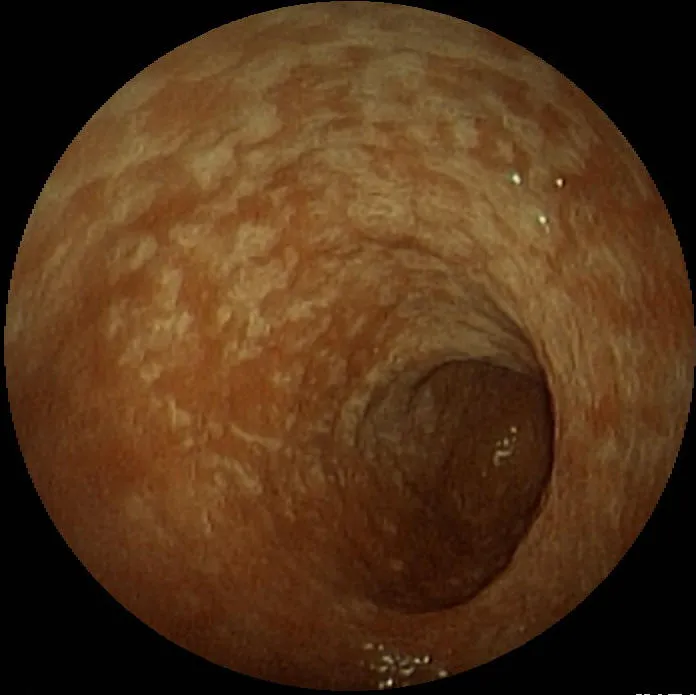
Key facts
- Dyspepsia = epigastric pain or burning, postprandial fullness or early satiety; heartburn-dominant symptoms point to GORD instead
- Most investigated dyspepsia is functional: no ulcer, cancer or reflux oesophagitis at endoscopy
- Endoscopy for alarm features or older age (ACG/CAG: 60 years or over; NICE urgent pathway: 55 or over with weight loss)
- Younger patients without alarm features: test and treat H. pylori (urea breath test or stool antigen), then a PPI trial
- Functional dyspepsia subtypes: postprandial distress syndrome (fullness, early satiation) and epigastric pain syndrome (pain, burning)
- Rome V (2026) keeps both subtypes, places them among disorders of gut–brain interaction and lets bothersome symptoms guide clinical diagnosis rather than strict frequency thresholds
- Second-line for functional dyspepsia: low-dose tricyclic antidepressant (for example amitriptyline 10 mg at night, titrated) as a gut–brain neuromodulator
- Stop PPIs before H. pylori testing (2 weeks) and antibiotics or bismuth (4 weeks) to avoid false-negative results
Differential diagnosis
| Condition | Clues | Key test |
|---|---|---|
| Peptic ulcer disease | Epigastric pain related to meals, NSAID use or H. pylori; bleeding | Endoscopy; H. pylori testing |
| Gastro-oesophageal reflux disease | Retrosternal heartburn and regurgitation predominate | Clinical; endoscopy or pH monitoring if unclear |
| Gastric cancer | Age, weight loss, anaemia, vomiting, family history or high-incidence region | Endoscopy with biopsy |
| Biliary colic | Episodic right upper quadrant or epigastric pain lasting 30 minutes to hours | Abdominal ultrasound |
| Gastroparesis | Nausea and vomiting predominate, often with diabetes or after surgery | Gastric emptying scintigraphy after excluding obstruction |
| Chronic pancreatitis or pancreatic cancer | Pain radiating to the back, steatorrhoea, weight loss, new diabetes | CT pancreas; faecal elastase |
| Coeliac disease | Bloating, diarrhoea, iron deficiency | Tissue transglutaminase IgA |
| Cardiac ischaemia | Epigastric discomfort on exertion with vascular risk factors | ECG and troponin |
Exam pearls
Guideline
ACG/CAG dyspepsia guideline (2017), BSG functional dyspepsia guideline (2022) and Rome V criteria (2026)
References
- Moayyedi PM, Lacy BE, Andrews CN, Enns RA, Howden CW, Vakil N.. ACG and CAG Clinical Guideline: Management of Dyspepsia. Am J Gastroenterol 2017.
- Black CJ, Paine PA, Agrawal A, et al.. British Society of Gastroenterology guidelines on the management of functional dyspepsia. Gut 2022.
- Stanghellini V, Chan FK, Hasler WL, et al.. Gastroduodenal Disorders. Gastroenterology 2016.
- Drossman DA, Chang L, Tack J.. Disorders of gut-brain interaction and the Rome V process. Gastroenterology 2026.
- Malfertheiner P, Megraud F, Rokkas T, et al.. Management of Helicobacter pylori infection: the Maastricht VI/Florence consensus report. Gut 2022.
- National Institute for Health and Care Excellence (NICE). Gastro-oesophageal reflux disease and dyspepsia in adults: investigation and management (clinical guideline CG184). 2014.
Related topics
By Dr Khalid Seidi (B.Sc., M.D.) · MedEd World Clinical Knowledge library. Original teaching content checked against current guidelines (November 2026); confirm the latest local guidance before clinical use. Not a substitute for clinical judgement.