Clinical Knowledge › Internal medicine › Gastroenterology and hepatology › Clinical problems
Jaundice: approach to the patient
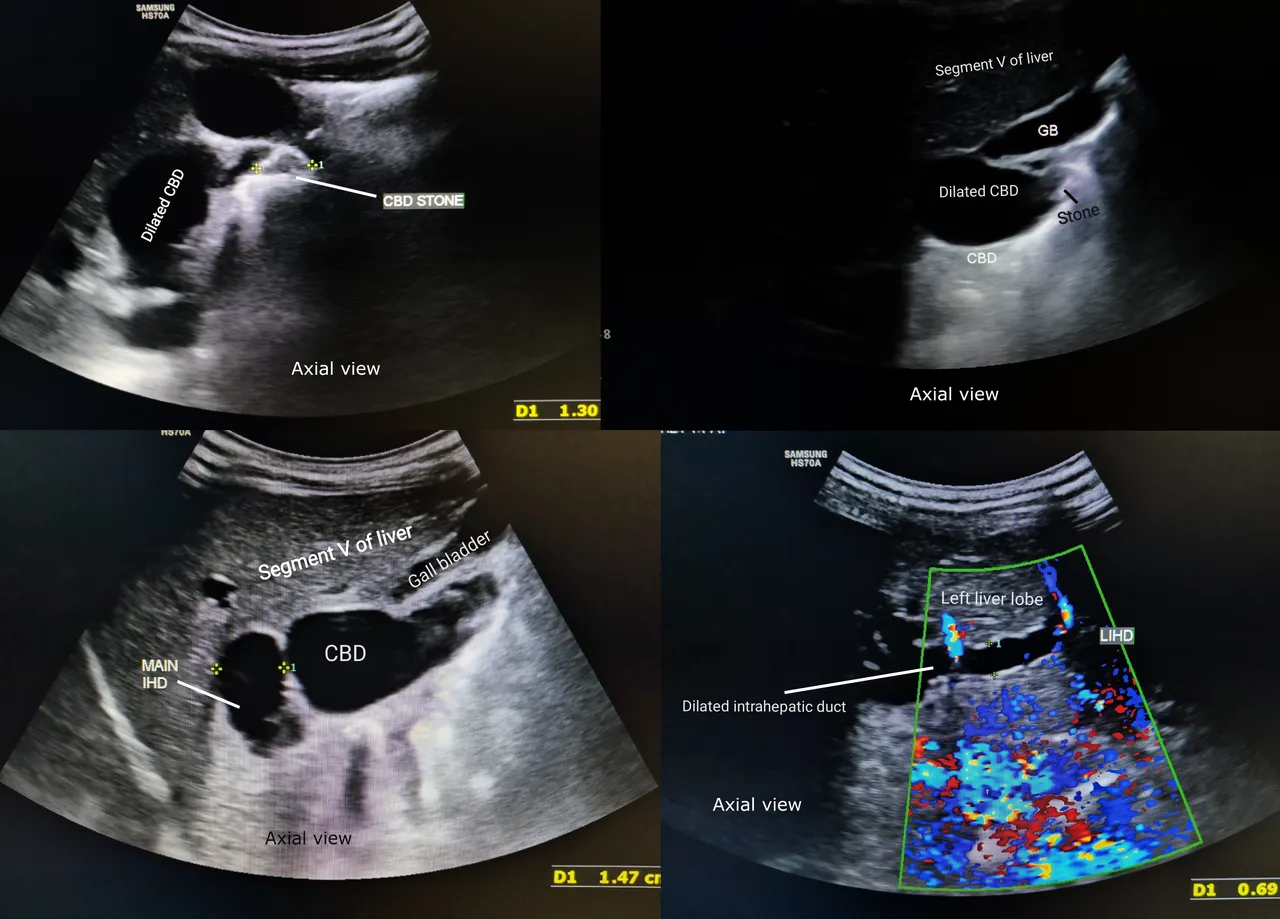
Jaundice is yellow discoloration of the skin, sclerae and mucous membranes caused by a raised serum bilirubin, usually visible once bilirubin exceeds about 40–50 µmol/L (2.5–3 mg/dL). It is a sign, not a diagnosis, and the causes are best sorted by where bilirubin handling fails: pre-hepatic (haemolysis, Gilbert syndrome), hepatic (viral, alcohol-related, drug-induced and autoimmune hepatitis, decompensated cirrhosis, sepsis) and post-hepatic or obstructive (bile duct stones, pancreatic and biliary cancers, strictures). The history, examination, fractionated bilirubin and liver enzyme pattern point to the category, and abdominal ultrasound is the first imaging test because dilated ducts separate obstruction from parenchymal disease. MRCP or endoscopic ultrasound then clarifies the level and cause, and ERCP is reserved for treatment. Two presentations are emergencies: acute cholangitis (fever, pain and jaundice), which needs antibiotics and biliary drainage, and acute liver failure (jaundice with coagulopathy and encephalopathy), which needs early transplant-centre referral.
Patient case, mechanism, investigations, management, flashcards and exam-style questions.Open the lesson →
Key facts
- Jaundice is clinically visible at bilirubin above about 40–50 µmol/L; look at the sclerae in daylight
- Unconjugated hyperbilirubinaemia: haemolysis or Gilbert syndrome; no bilirubin in urine (acholuric)
- Conjugated hyperbilirubinaemia with dark urine and pale stools suggests cholestasis or obstruction
- Ultrasound first: common bile duct above about 6 mm (more after cholecystectomy or in older people) suggests obstruction
- Painless jaundice with weight loss and a palpable gallbladder (Courvoisier sign) suggests pancreatic head or distal bile duct cancer
- Charcot triad (fever, right upper quadrant pain, jaundice) = acute cholangitis; Reynolds pentad adds shock and confusion
- MRCP and EUS diagnose; ERCP is for therapy (stone extraction, stenting)
- Jaundice + INR ≥1.5 + encephalopathy without prior liver disease = acute liver failure: contact a transplant centre
Differential diagnosis
| Condition | Clues | Key test |
|---|---|---|
| Gilbert syndrome | Mild unconjugated jaundice with fasting or illness, otherwise well | Fractionated bilirubin; normal FBC, reticulocytes and enzymes |
| Haemolysis (G6PD, spherocytosis, sickle cell, malaria) | Anaemia, splenomegaly, dark urine without bilirubin | Reticulocytes, LDH, haptoglobin, blood film, malaria film |
| Acute viral hepatitis | Prodrome, travel, very high ALT | Anti-HAV IgM, HBsAg and anti-HBc IgM, anti-HEV IgM, HCV RNA |
| Alcohol-related hepatitis | Heavy drinking, fever, tender hepatomegaly, AST:ALT >2 | Clinical criteria; Maddrey and MELD scores |
| Choledocholithiasis | Biliary colic, fluctuating jaundice, dilated duct | Ultrasound, MRCP or EUS |
| Pancreatic head or distal bile duct cancer | Painless progressive jaundice, weight loss, Courvoisier sign | Pancreas-protocol CT, EUS with biopsy, CA 19-9 |
| Drug-induced liver injury | New drug or herbal product in prior 3 months | Drug history; R ratio; causality assessment |
| Carotenaemia | Yellow palms and soles with white sclerae | Normal bilirubin |
Exam pearls
Guideline
ACG evaluation of abnormal liver chemistries (2017), BSG abnormal liver blood tests (2018), Tokyo Guidelines 2018 (cholangitis), ASGE 2019 and ESGE 2019 choledocholithiasis guidelines, and EASL acute liver failure guideline (2017)
References
- Kwo PY, Cohen SM, Lim JK.. ACG Clinical Guideline: Evaluation of Abnormal Liver Chemistries. Am J Gastroenterol 2017.
- Newsome PN, Cramb R, Davison SM, et al.. Guidelines on the management of abnormal liver blood tests. Gut 2018.
- Kiriyama S, Kozaka K, Takada T, et al.. Tokyo Guidelines 2018: diagnostic criteria and severity grading of acute cholangitis (with videos). J Hepatobiliary Pancreat Sci 2018.
- Buxbaum JL, Abbas Fehmi SM, Sultan S, et al.. ASGE guideline on the role of endoscopy in the evaluation and management of choledocholithiasis. Gastrointest Endosc 2019.
- Manes G, Paspatis G, Aabakken L, et al.. Endoscopic management of common bile duct stones: European Society of Gastrointestinal Endoscopy (ESGE) guideline. Endoscopy 2019.
- European Association for the Study of the Liver.. EASL Clinical Practical Guidelines on the management of acute (fulminant) liver failure. J Hepatol 2017.
Related topics
By Dr Khalid Seidi (B.Sc., M.D.) · MedEd World Clinical Knowledge library. Original teaching content checked against current guidelines (November 2026); confirm the latest local guidance before clinical use. Not a substitute for clinical judgement.