Clinical Knowledge › Internal medicine › Gastroenterology and hepatology › Clinical problems
Nausea and vomiting: approach to the patient
Nausea and vomiting are among the commonest symptoms in medicine and have causes far beyond the gut. Vomiting is coordinated by a central pattern generator in the medulla that receives input from the chemoreceptor trigger zone (dopamine D2, serotonin 5-HT3 and neurokinin NK1 receptors), the vestibular system (histamine H1 and muscarinic receptors), vagal afferents from the gut (5-HT3) and the cortex. Causes include obstruction and inflammation of the gut, pregnancy, drugs (opioids, chemotherapy, GLP-1 receptor agonists, digoxin), metabolic and endocrine disease (diabetic ketoacidosis, uraemia, hypercalcaemia, adrenal insufficiency), raised intracranial pressure, vestibular disorders, myocardial infarction, cannabis, and disorders of gut–brain interaction such as cyclic vomiting syndrome. The approach is to assess severity and dehydration, look for red flags, define the pattern from the history, check electrolytes, glucose, kidney function and pregnancy status, correct fluid and potassium deficits, treat the cause and choose an antiemetic that matches the mechanism.
Patient case, mechanism, investigations, management, flashcards and exam-style questions.Open the lesson →
Key facts
- Always check pregnancy status, glucose, electrolytes, kidney function and calcium in persistent vomiting; do an ECG when the cause is unclear (inferior MI, digoxin toxicity)
- Protracted vomiting causes hypochloraemic, hypokalaemic metabolic alkalosis with low urinary chloride; treat with IV 0.9% sodium chloride and potassium
- Match antiemetic to mechanism: CTZ/metabolic → D2 antagonists or 5-HT3 antagonists; vestibular → cyclizine or antihistamines; gut stasis → prokinetics
- Avoid metoclopramide and domperidone in complete mechanical bowel obstruction; avoid metoclopramide and haloperidol in Parkinson disease
- Ondansetron and domperidone prolong the QT interval; metoclopramide causes acute dystonia (young women) and tardive dyskinesia (limit to 5 days in the UK)
- Cannabinoid hyperemesis syndrome: prolonged frequent cannabis use, stereotyped episodes, relief with hot showers, resolves with cessation (AGA 2024)
- Hyperemesis gravidarum: PUQE score, IV saline with potassium, thiamine for all admitted women, first-line antihistamines or phenothiazines; ondansetron second line (RCOG 2024)
- Highly emetogenic chemotherapy: NK1 antagonist + 5-HT3 antagonist + dexamethasone + olanzapine (MASCC/ESMO 2023)
Differential diagnosis
| Condition | Clues | Key test |
|---|---|---|
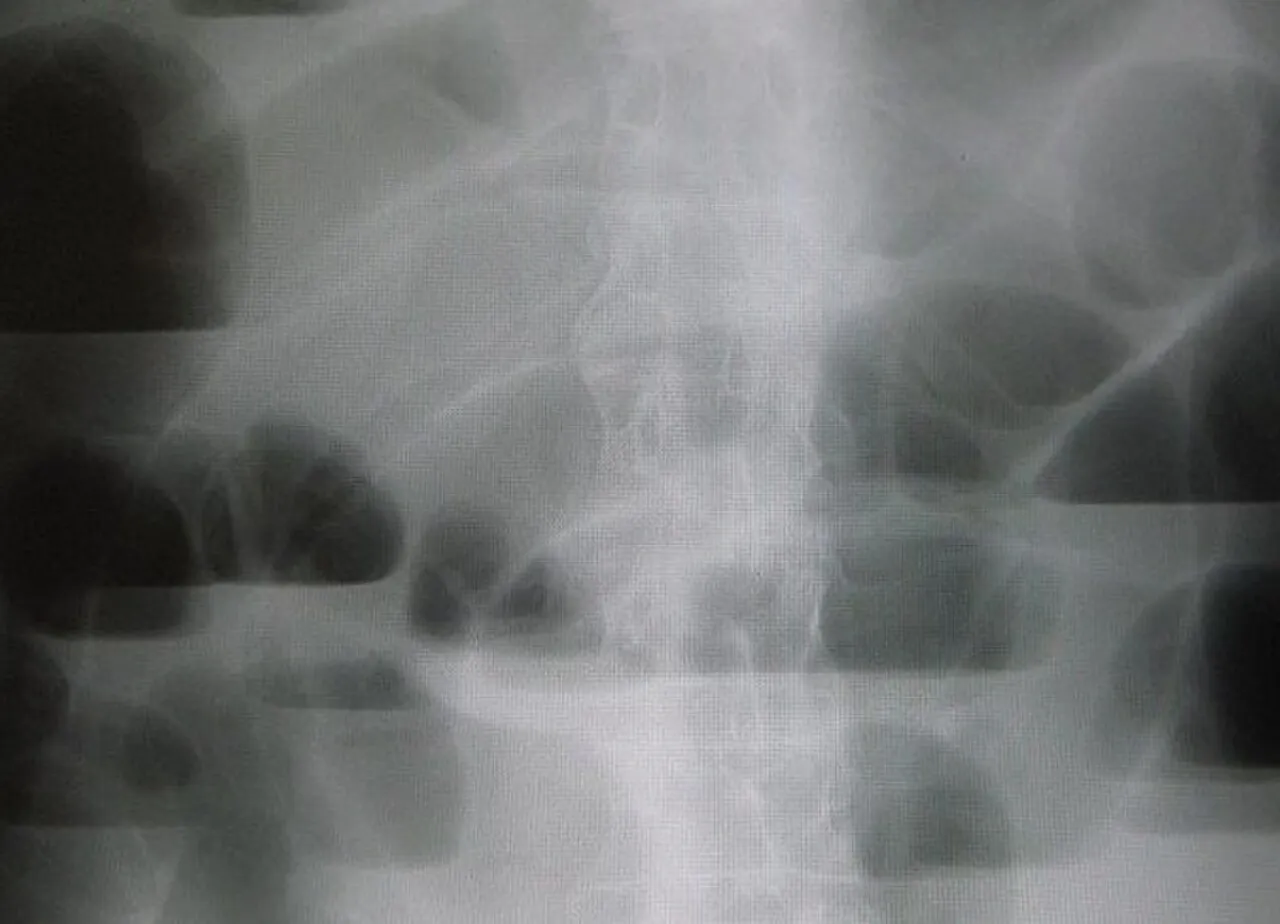
| Bowel obstruction or gastric outlet obstruction | Distension, colicky pain, constipation; bilious or faeculent vomit; succussion splash | Erect CXR and CT abdomen; OGD for outlet obstruction |
| Pregnancy and hyperemesis gravidarum | Woman of reproductive age, first trimester | Urine or serum hCG, ultrasound for multiple or molar pregnancy |
| Diabetic ketoacidosis | Polyuria, abdominal pain, Kussmaul breathing | Capillary glucose, ketones, venous gas |
| Raised intracranial pressure | Early morning headache, vomiting without nausea, papilloedema | CT head |
| Inferior myocardial infarction | Vomiting with sweating, epigastric discomfort, diabetes | ECG and troponin |
| Drug-induced or toxic | Opioids, chemotherapy, GLP-1 agonists, digoxin, alcohol, cannabis | Drug history, drug levels (digoxin), urine toxicology |
| Acute pancreatitis or cholecystitis | Epigastric or RUQ pain radiating to the back | Lipase, liver tests, ultrasound |
| Gastroparesis | Early satiety, bloating, diabetes, vomiting food eaten hours earlier | OGD to exclude obstruction, then gastric emptying scintigraphy |
Exam pearls
Guideline
RCOG Green-top Guideline No. 69 on nausea and vomiting of pregnancy and hyperemesis gravidarum (2024), MASCC/ESMO antiemetic consensus update (2023), Fourth Consensus Guidelines on PONV (2020), AGA Clinical Practice Update on cannabinoid hyperemesis syndrome (2024), ACG gastroparesis guideline (2022) and ANMS/CVSA cyclic vomiting syndrome guideline (2019)
References
- Nelson-Piercy C, Dean C, Shehmar M, et al.. The Management of Nausea and Vomiting in Pregnancy and Hyperemesis Gravidarum (Green-top Guideline No. 69). BJOG 2024.
- Herrstedt J, Celio L, Hesketh PJ, et al.. 2023 updated MASCC/ESMO consensus recommendations: prevention of nausea and vomiting following high-emetic-risk antineoplastic agents. Support Care Cancer 2023.
- Gan TJ, Belani KG, Bergese S, et al.. Fourth Consensus Guidelines for the Management of Postoperative Nausea and Vomiting. Anesth Analg 2020.
- Rubio-Tapia A, McCallum R, Camilleri M.. AGA Clinical Practice Update on Diagnosis and Management of Cannabinoid Hyperemesis Syndrome: Commentary. Gastroenterology 2024.
- Camilleri M, Kuo B, Nguyen L, et al.. ACG Clinical Guideline: Gastroparesis. Am J Gastroenterol 2022.
- Venkatesan T, Levinthal DJ, Tarbell SE, et al.. Guidelines on management of cyclic vomiting syndrome in adults by the American Neurogastroenterology and Motility Society and the Cyclic Vomiting Syndrome Association. Neurogastroenterol Motil 2019.
Related topics
By Dr Khalid Seidi (B.Sc., M.D.) · MedEd World Clinical Knowledge library. Original teaching content checked against current guidelines (November 2026); confirm the latest local guidance before clinical use. Not a substitute for clinical judgement.