Clinical Knowledge › Internal medicine › Gastroenterology and hepatology › Liver failure, cirrhosis and liver tumours
Hepatopulmonary syndrome and portopulmonary hypertension
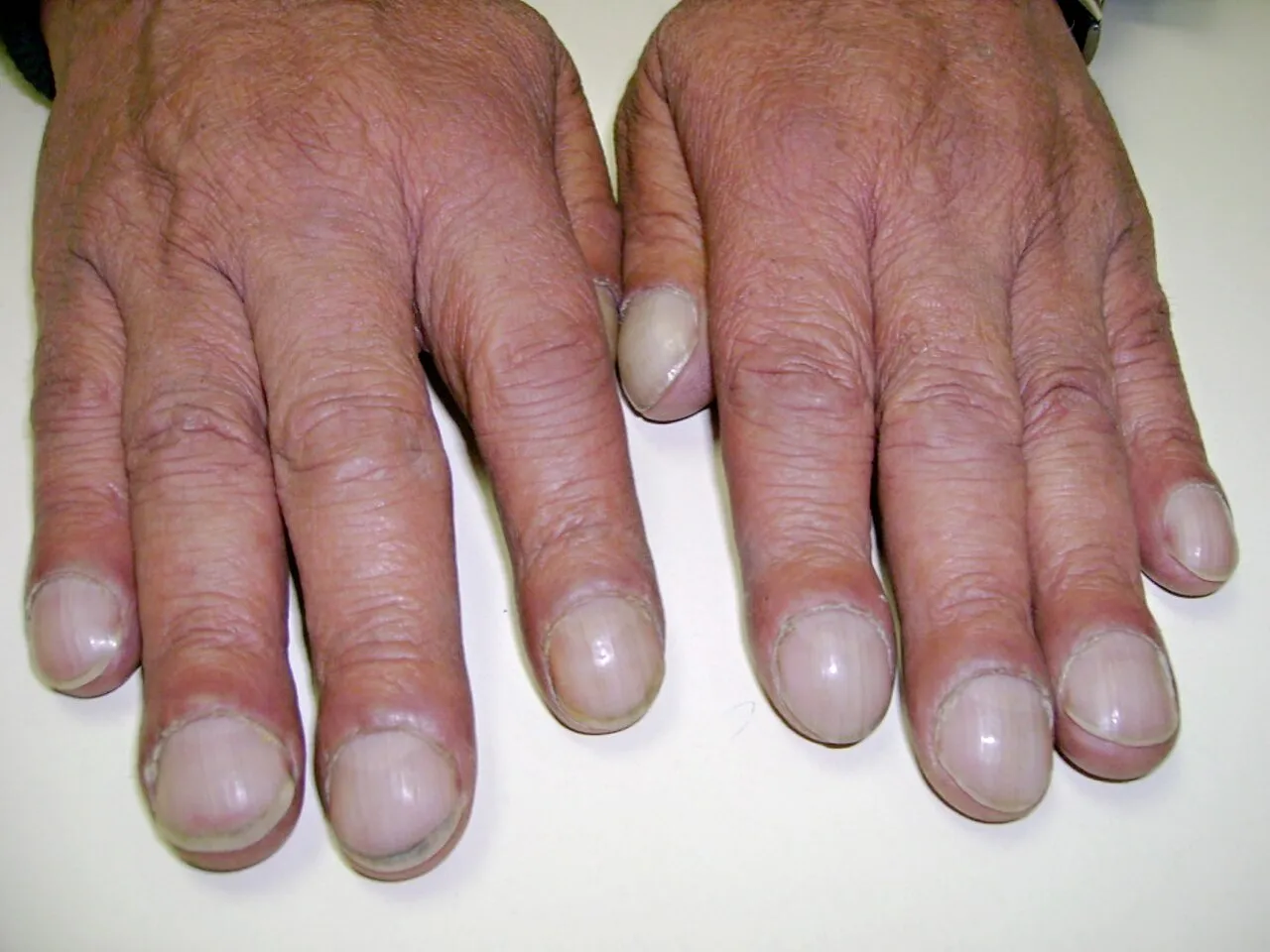
Hepatopulmonary syndrome (HPS) and portopulmonary hypertension (POPH) are two distinct pulmonary vascular complications of portal hypertension, with or without cirrhosis, and both matter greatly for liver transplantation. In HPS the pulmonary capillaries and precapillary vessels dilate, mainly through excess nitric oxide, so blood passes too quickly through widened vessels to be fully oxygenated. Patients have breathlessness, cyanosis, clubbing, platypnoea and orthodeoxia; diagnosis needs an increased alveolar-arterial oxygen gradient plus intrapulmonary shunting on contrast (bubble) echocardiography. There is no effective drug treatment, but liver transplantation reverses HPS in most patients. POPH is the opposite lesion: vasoconstriction and remodelling of pulmonary arteries cause pulmonary arterial hypertension and right heart strain. Echocardiography screens and right heart catheterisation confirms it. POPH is treated with pulmonary arterial hypertension drugs; beta-blockers and TIPS should be avoided, and severe untreated POPH makes transplantation dangerous.
Patient case, mechanism, investigations, management, flashcards and exam-style questions.Open the lesson →
Key facts
- HPS triad: liver disease or portal hypertension, A–a oxygen gradient of 15 mmHg or more (20 mmHg or more if aged 65 or over), and intrapulmonary vascular dilatation
- Contrast (bubble) echocardiography is the key test for HPS: bubbles appear in the left heart after 3 or more cardiac cycles
- Platypnoea (breathlessness when upright) and orthodeoxia (desaturation when upright) reflect basal vascular dilatations in HPS
- HPS severity is graded by PaO2: mild 80 mmHg or more, moderate 60–79, severe 50–59, very severe below 50 mmHg
- Liver transplantation is the only effective treatment for HPS; PaO2 below 60 mmHg attracts transplant priority in many systems
- POPH: pulmonary arterial hypertension (mPAP above 20 mmHg, PAWP 15 mmHg or less, PVR above 2 Wood units) in a patient with portal hypertension
- Screen transplant candidates for POPH with echocardiography; confirm raised estimated pressures with right heart catheterisation
- POPH is treated with PAH drugs (endothelin receptor antagonists, PDE5 inhibitors, prostacyclins); stop non-selective beta-blockers and avoid TIPS; severe POPH (mPAP 50 mmHg or more despite therapy) contraindicates transplantation
Differential diagnosis
| Condition | Clues | Key test |
|---|---|---|
| Intracardiac shunt (patent foramen ovale, ASD) | Hypoxaemia with early bubble appearance in the left heart | Bubbles in left atrium within 3 cardiac cycles on contrast echo |
| Hepatic hydrothorax | Breathlessness with a right pleural effusion in cirrhosis and ascites | Chest X-ray; transudative pleural fluid |
| COPD or interstitial lung disease | Hypoxaemia with abnormal spirometry or CT | Spirometry, HRCT; macroaggregated albumin scan if coexisting HPS suspected |
| Pulmonary arterial hypertension of another cause | Raised PVR without portal hypertension | Liver assessment, Doppler, HVPG; other PAH causes |
| Pulmonary hypertension from left heart disease | High PAWP above 15 mmHg, orthopnoea, LV dysfunction | Right heart catheterisation with PAWP; echocardiography |
| Hyperdynamic circulation with high flow | Raised mPAP but normal PVR from high cardiac output | Right heart catheterisation: normal PVR |
| Anaemia or deconditioning | Breathlessness with normal oxygenation | FBC, normal A–a gradient and echo |
Exam pearls
Guideline
International Liver Transplantation Society practice guideline update on portopulmonary hypertension (2025), ILTS guideline on HPS and POPH (2016), 2022 ESC/ERS pulmonary hypertension guidelines and Baveno VII (2022)
References
- Krowka MJ, Fallon MB, Kawut SM, et al.. International Liver Transplant Society practice guidelines: diagnosis and management of hepatopulmonary syndrome and portopulmonary hypertension. Transplantation 2016.
- DuBrock HM, Savale L, Sitbon O, et al.. International Liver Transplantation Society practice guideline update on portopulmonary hypertension. Liver Transpl 2025.
- Humbert M, Kovacs G, Hoeper MM, et al.. 2022 ESC/ERS Guidelines for the diagnosis and treatment of pulmonary hypertension. Eur Heart J 2022.
- de Franchis R, Bosch J, Garcia-Tsao G, Reiberger T, Ripoll C; Baveno VII Faculty. Baveno VII - Renewing consensus in portal hypertension. J Hepatol 2022.
- Rodriguez-Roisin R, Krowka MJ, Hervé P, Fallon MB; ERS Task Force Pulmonary-Hepatic Vascular Disorders Scientific Committee. Pulmonary-hepatic vascular disorders (PHD). Eur Respir J 2004.
- Rodríguez-Roisin R, Krowka MJ.. Hepatopulmonary syndrome – a liver-induced lung vascular disorder. N Engl J Med 2008.
Related topics
By Dr Khalid Seidi (B.Sc., M.D.) · MedEd World Clinical Knowledge library. Original teaching content checked against current guidelines (November 2026); confirm the latest local guidance before clinical use. Not a substitute for clinical judgement.