Clinical Knowledge › Internal medicine › Haematology and oncology › Oncological emergencies
Neutropenic sepsis (febrile neutropenia)
Neutropenic sepsis is fever or other signs of infection in a person whose neutrophil count is 0.5 × 10⁹/L or lower, most often 7–14 days after cytotoxic chemotherapy. Because neutrophils are needed to make pus, consolidation and inflammation, the usual signs are blunted and fever may be the only clue; a patient can look well and still deteriorate within hours. It is a medical emergency: any person who has had chemotherapy in the past few weeks and feels unwell or has a temperature should be treated as neutropenic sepsis until proven otherwise. Blood cultures (peripheral and from every central line lumen) are taken and broad-spectrum antipseudomonal beta-lactam therapy, typically piperacillin–tazobactam, is given within 1 hour of arrival, without waiting for the blood count. Risk scores such as MASCC and CISNE identify low-risk patients who may switch to oral antibiotics or be managed as outpatients. Prevention uses G-CSF when the expected febrile neutropenia risk is about 20% or more, and fluoroquinolone prophylaxis in selected high-risk patients.
Patient case, mechanism, investigations, management, flashcards and exam-style questions.Open the lesson →
Key facts
- Definition (NICE CG151): neutrophils 0.5 × 10⁹/L or lower plus temperature above 38 °C or other signs or symptoms of sepsis; IDSA uses a single oral temperature of 38.3 °C or 38.0 °C sustained for 1 hour
- The neutrophil nadir after most chemotherapy is 7–14 days; neutropenia below 0.1 × 10⁹/L or lasting more than 7 days carries the highest risk
- Give empirical IV antibiotics within 1 hour of arrival ('door to needle'); do not wait for the full blood count
- First-line empirical therapy is an antipseudomonal beta-lactam monotherapy such as piperacillin–tazobactam 4.5 g IV 6-hourly (teaching dose; check local formulary)
- Do not add an aminoglycoside or a glycopeptide routinely; add vancomycin or teicoplanin for line infection, skin infection, MRSA carriage or haemodynamic instability
- MASCC score of 21 or more (maximum 26) identifies low-risk patients who may receive oral antibiotics (for example ciprofloxacin plus co-amoxiclav) or outpatient care
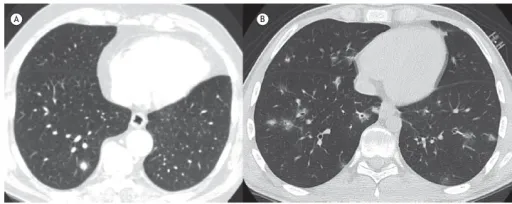
- Persistent fever after 4–7 days of broad-spectrum antibiotics in high-risk haematology patients prompts a search for invasive fungal infection (CT chest, galactomannan) and empirical or pre-emptive antifungal therapy
- Primary G-CSF prophylaxis is recommended when the regimen's febrile neutropenia risk is about 20% or more, or 10–20% with patient risk factors such as age over 65
Differential diagnosis
| Condition | Clues | Key test |
|---|---|---|
| Drug fever (cytarabine, bleomycin, blood products) | Fever soon after infusion; patient well; no source | Cultures negative; temporal link; diagnosis of exclusion |
| Tumour fever (lymphoma, renal cell, hepatic metastases) | Recurrent fevers with B symptoms; responds to NSAID | Cultures negative; disease activity on imaging |
| Febrile transfusion reaction | Fever during or within 4 hours of transfusion | Stop transfusion; bag culture; DAT and haemolysis screen |
| Tumour lysis syndrome | Recent start of therapy, AKI, arrhythmia, high potassium and phosphate | Urate, potassium, phosphate, calcium, creatinine |
| Pulmonary embolism | Tachycardia, hypoxia and low-grade fever in a cancer patient | CT pulmonary angiogram |
| Differentiation syndrome (ATRA, arsenic, IDH inhibitors) | Fever, oedema, pulmonary infiltrates during APL or AML therapy | Clinical; responds to dexamethasone |
| Engraftment syndrome after stem cell transplant | Fever, rash and capillary leak as neutrophils recover | Timing with rising neutrophils; cultures negative |
Exam pearls
Guideline
NICE CG151 Neutropenic sepsis (2012, still current); ESMO febrile neutropenia guideline (2016); ASCO/IDSA outpatient fever and neutropenia guideline update (2018); IDSA antimicrobial use in neutropenic cancer patients (2010 update); ECIL-4 empirical antibacterial therapy (2013)
References
- National Institute for Health and Care Excellence. Neutropenic sepsis: prevention and management in people with cancer (CG151). NICE 2012.
- Klastersky J, de Naurois J, Rolston K, et al.. Management of febrile neutropaenia: ESMO Clinical Practice Guidelines. Ann Oncol 2016.
- Taplitz RA, Kennedy EB, Bow EJ, et al.. Outpatient management of fever and neutropenia in adults treated for malignancy: American Society of Clinical Oncology and Infectious Diseases Society of America clinical practice guideline update. J Clin Oncol 2018.
- Freifeld AG, Bow EJ, Sepkowitz KA, et al.. Clinical practice guideline for the use of antimicrobial agents in neutropenic patients with cancer: 2010 update by the Infectious Diseases Society of America. Clin Infect Dis 2011.
- Klastersky J, Paesmans M, Rubenstein EB, et al.. The Multinational Association for Supportive Care in Cancer risk index: a multinational scoring system for identifying low-risk febrile neutropenic cancer patients. J Clin Oncol 2000.
- Averbuch D, Orasch C, Cordonnier C, et al.. European guidelines for empirical antibacterial therapy for febrile neutropenic patients in the era of growing resistance: summary of the 2011 4th European Conference on Infections in Leukemia. Haematologica 2013.
Related topics
By Dr Khalid Seidi (B.Sc., M.D.) · MedEd World Clinical Knowledge library. Original teaching content checked against current guidelines (November 2026); confirm the latest local guidance before clinical use. Not a substitute for clinical judgement.