Clinical Knowledge › Neurology › Clinical problems
Numbness and paraesthesia: approach to the patient
Numbness (loss of sensation) and paraesthesia (tingling, 'pins and needles') are common symptoms with causes ranging from benign nerve compression to stroke, spinal cord compression and Guillain–Barré syndrome. The approach mirrors that for weakness: define the distribution (single nerve, root, glove-and-stocking, hemisensory, sensory level, crossed face–body, perioral and bilateral hands), the modalities affected (small-fibre pain and temperature versus large-fibre vibration and proprioception), the tempo and associated motor, autonomic and sphincter features. Length-dependent symmetrical polyneuropathy is the commonest pattern; key causes are diabetes, alcohol, B12 deficiency, hypothyroidism, chronic kidney disease, neurotoxic drugs and paraproteinaemia. Carpal tunnel syndrome is the commonest mononeuropathy. Sudden hemisensory loss suggests stroke; a sensory level suggests a cord lesion; perioral and bilateral hand tingling suggests hyperventilation or hypocalcaemia. Investigation is guided by localisation: bloods, nerve conduction studies and targeted imaging.
Patient case, mechanism, investigations, management, flashcards and exam-style questions.Open the lesson →
Key facts
- Define distribution, modality, tempo and associated features before investigating
- Glove-and-stocking (length-dependent) sensory loss = polyneuropathy; commonest cause is diabetes
- Screening bloods in polyneuropathy: HbA1c/glucose, B12 (± methylmalonic acid), folate, TSH, U&E, LFT, FBC, serum protein electrophoresis
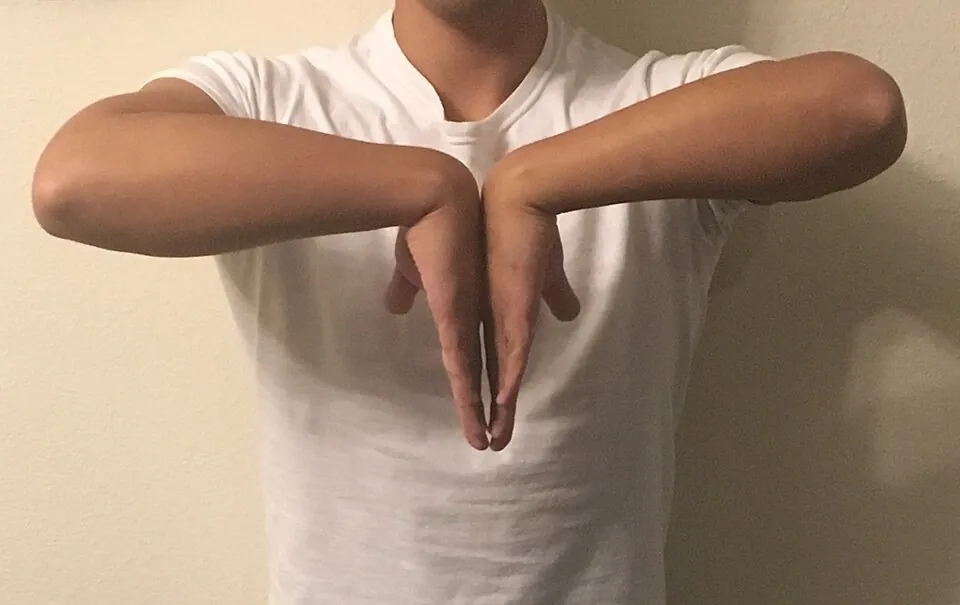
- Carpal tunnel syndrome: nocturnal tingling in thumb, index, middle and radial ring fingers; Phalen and Tinel tests
- Sudden hemisensory loss = stroke or TIA (thalamic or cortical) until proven otherwise
- Sensory level on the trunk = spinal cord lesion – urgent MRI
- Perioral and bilateral hand tingling: hyperventilation or hypocalcaemia
- Small-fibre neuropathy (burning feet, normal NCS) is diagnosed by skin biopsy or quantitative sensory testing
Differential diagnosis
| Condition | Clues | Key test |
|---|---|---|
| Diabetic polyneuropathy | Length-dependent burning and numbness of feet, reduced ankle jerks | HbA1c, NCS |
| Vitamin B12 deficiency | Neuropathy with dorsal column signs, anaemia, glossitis, metformin or vegan diet | B12, methylmalonic acid, FBC |
| Carpal tunnel syndrome | Nocturnal median-territory tingling, thenar wasting | Clinical; NCS if uncertain or before surgery |
| Cervical or lumbar radiculopathy | Dermatomal pain and numbness with neck or back pain | MRI spine |
| Stroke or TIA | Sudden hemisensory loss | CT/CTA, MRI DWI |
| Multiple sclerosis | Subacute patchy sensory symptoms, Lhermitte sign, young adult | MRI brain and spine |
| Guillain–Barré syndrome | Distal paraesthesia followed by ascending weakness and areflexia | NCS, CSF |
| Hyperventilation or hypocalcaemia | Perioral and bilateral hand tingling, carpopedal spasm | Calcium, ABG |
Exam pearls
Guideline
NICE CG173 Neuropathic pain in adults (2013, updated 2020), NICE NG28 Type 2 diabetes (foot care and annual neuropathy screening), EAN/PNS Guillain–Barré syndrome guideline (2023), AHA/ASA 2026 acute ischaemic stroke guideline and BSH 2014 cobalamin and folate guideline
References
- National Institute for Health and Care Excellence (NICE). Neuropathic pain in adults: pharmacological management in non-specialist settings (CG173). NICE guideline 2020.
- National Institute for Health and Care Excellence (NICE). Type 2 diabetes in adults: management (NG28). NICE guideline 2022.
- van Doorn PA, Van den Bergh PYK, Hadden RDM, et al.. European Academy of Neurology/Peripheral Nerve Society Guideline on diagnosis and treatment of Guillain–Barré syndrome. Eur J Neurol 2023.
- Prabhakaran S, Gonzalez NR, Zachrison KS, et al.. 2026 Guideline for the Early Management of Patients With Acute Ischemic Stroke. Stroke 2026.
- Devalia V, Hamilton MS, Molloy AM.. Guidelines for the diagnosis and treatment of cobalamin and folate disorders. Br J Haematol 2014.
- Medical Research Council. Aids to the Examination of the Peripheral Nervous System (Memorandum No. 45). Her Majesty's Stationery Office, London 1976.
Related topics
By Dr Khalid Seidi (B.Sc., M.D.) · MedEd World Clinical Knowledge library. Original teaching content checked against current guidelines (November 2026); confirm the latest local guidance before clinical use. Not a substitute for clinical judgement.