Clinical Knowledge › Neurology › Clinical problems
Ptosis: approach to the patient
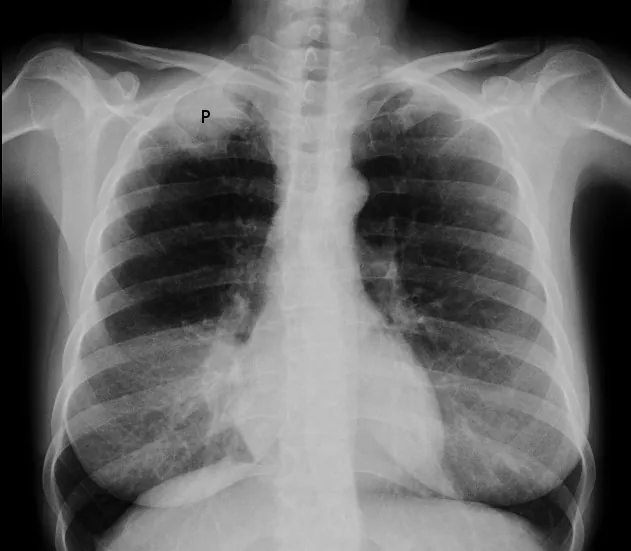
Ptosis is drooping of the upper eyelid. The levator palpebrae superioris (oculomotor nerve) provides most of the lift, with a small contribution from Müller muscle (sympathetic). Causes are neurogenic (third nerve palsy, Horner syndrome), neuromuscular junction (myasthenia gravis, botulism), myopathic (myotonic dystrophy, oculopharyngeal muscular dystrophy, chronic progressive external ophthalmoplegia), aponeurotic (age-related levator dehiscence, contact lens wear, after eye surgery – the commonest cause) and mechanical (lid tumours, oedema), with pseudoptosis from dermatochalasis, enophthalmos or contralateral lid retraction. The pupil is the key: a large pupil suggests third nerve palsy (compressive until proven otherwise), a small pupil suggests Horner syndrome (carotid dissection, lung apex tumour), and normal pupils with fluctuating, fatigable ptosis and diplopia suggest myasthenia. Painful Horner syndrome and painful pupil-involving third nerve palsy are emergencies. Bilateral ptosis with ophthalmoplegia suggests myasthenia, mitochondrial myopathy or myotonic dystrophy.
Patient case, mechanism, investigations, management, flashcards and exam-style questions.Open the lesson →
Key facts
- Look at the pupils first: big pupil = III palsy; small pupil = Horner; normal pupil = myasthenia, myopathy or aponeurotic
- Complete ptosis with eye down and out = third nerve palsy
- Partial ptosis (1–2 mm) with miosis and anhidrosis = Horner syndrome
- Painful Horner syndrome = carotid artery dissection until proven otherwise
- Fatigable, variable ptosis worse in the evening with normal pupils = myasthenia gravis
- Ice pack test (2 minutes) improving ptosis by ≥2 mm supports myasthenia
- Commonest cause in older adults: aponeurotic (involutional) ptosis with high lid crease and good levator function
- Bilateral ptosis with frontal balding, myotonia and cataracts = myotonic dystrophy type 1
Differential diagnosis
| Condition | Clues | Key test |
|---|---|---|
| Third nerve palsy | Complete ptosis, eye down and out, ± dilated pupil | CTA/MRA if pupil involved or painful |
| Horner syndrome | Partial ptosis, miosis, ± anhidrosis, apparent enophthalmos | Apraclonidine test; CTA/MRA neck; CT chest |
| Myasthenia gravis | Fatigable variable ptosis, diplopia, normal pupils | AChR antibodies, ice pack test, SFEMG |
| Aponeurotic (involutional) ptosis | Older adult, high lid crease, good levator function | Clinical; oculoplastic referral |
| Myotonic dystrophy | Bilateral ptosis, facial weakness, myotonia, frontal balding, cataracts | Genetic testing (DMPK CTG repeat) |
| Chronic progressive external ophthalmoplegia | Slowly progressive bilateral ptosis and ophthalmoplegia without diplopia | Muscle biopsy (ragged red fibres), mtDNA testing |
| Botulism | Acute bilateral ptosis, dilated pupils, descending paralysis | Clinical; toxin assay; antitoxin |
| Pseudoptosis (dermatochalasis) | Excess upper lid skin overhanging lid margin | Clinical |
Exam pearls
Guideline
International myasthenia gravis consensus (2020 update), AHA/ASA 2023 aneurysmal SAH guideline, AHA/ASA 2021 secondary stroke prevention guideline (cervical artery dissection) and ESO guidance on cervical artery dissection
References
- Narayanaswami P, Sanders DB, Wolfe G, et al.. International Consensus Guidance for Management of Myasthenia Gravis: 2020 Update. Neurology 2021.
- Hoh BL, Ko NU, Amin-Hanjani S, et al.. 2023 Guideline for the Management of Patients With Aneurysmal Subarachnoid Hemorrhage. Stroke 2023.
- Kleindorfer DO, Towfighi A, Chaturvedi S, et al.. 2021 Guideline for the Prevention of Stroke in Patients With Stroke and Transient Ischemic Attack. Stroke 2021.
- Papadakis MA, Rabow MW, McQuaid KR, eds.. CURRENT Medical Diagnosis & Treatment 2026. McGraw Hill 2026.
- Darby MJ, Barron DA, Hyland RE, eds.. Oxford Handbook of Medical Imaging. Oxford University Press 2012.
- Medical Research Council. Aids to the Examination of the Peripheral Nervous System (Memorandum No. 45). Her Majesty's Stationery Office, London 1976.
Related topics
By Dr Khalid Seidi (B.Sc., M.D.) · MedEd World Clinical Knowledge library. Original teaching content checked against current guidelines (November 2026); confirm the latest local guidance before clinical use. Not a substitute for clinical judgement.