Clinical Knowledge › Internal medicine › Haematology and oncology › Transfusion and cellular therapy
Transfusion-transmitted infections
Transfusion-transmitted infections (TTIs) are infections passed from a donor to a recipient through a blood component or plasma product. Viruses (HIV, hepatitis B and C, HTLV, hepatitis E, CMV, West Nile and dengue), bacteria, Treponema pallidum, parasites (malaria, Babesia, Trypanosoma cruzi) and prions (variant CJD) can all be transmitted. Safety depends on layers: voluntary non-remunerated donors, donor selection questionnaires and deferrals, mandatory serology and nucleic acid testing, leucodepletion, bacterial screening or pathogen reduction of platelets, and haemovigilance with lookback and recall. In high-income countries the residual risk of HIV or hepatitis C from a unit is now well below 1 in a million, and bacterial contamination of room-temperature platelets is the commonest infectious cause of serious reactions. It presents with fever, rigors and hypotension during or soon after transfusion. Viral TTIs present weeks to months later and are found through recipient investigation or donor lookback. Risk remains higher where screening is incomplete, which is why WHO promotes universal quality-assured testing.
Patient case, mechanism, investigations, management, flashcards and exam-style questions.Open the lesson →
Key facts
- WHO recommends that all donations be screened at minimum for HIV, hepatitis B, hepatitis C and syphilis using quality-assured tests
- Nucleic acid testing (NAT) shortens the window period, but infectious donations taken in the window period remain the main residual viral risk
- Residual risk of HIV and HCV transmission in high-income countries is well below 1 per million units; HBV residual risk is somewhat higher
- Platelets are stored at 20–24 °C, so bacterial contamination (mainly skin flora such as staphylococci) is the leading infectious risk; screening or pathogen reduction reduces it
- Yersinia enterocolitica and other cold-tolerant Gram-negative bacteria can grow in red cells stored at 4 °C and cause endotoxic shock
- Leucodepletion reduces CMV, HTLV and theoretical vCJD risk; CMV-seronegative components are reserved for intrauterine transfusion, neonates and pregnancy in UK policy
- Suspected bacterial contamination: stop the transfusion, culture the patient and the returned pack, give broad-spectrum antibiotics and alert the blood service to recall linked components
- Lookback traces recipients of earlier donations from a donor who seroconverts; traceback investigates donors after a recipient is found infected
Differential diagnosis
| Condition | Clues | Key test |
|---|---|---|
| Bacterial contamination of a component | High fever, rigors, hypotension during or within hours, often platelets | Blood cultures from patient and pack; Gram stain of pack |
| Febrile non-haemolytic reaction | Fever 1–2 °C rise, stable, no hypotension | Diagnosis of exclusion; cultures negative |
| Acute haemolytic reaction | Fever, loin pain, haemoglobinuria, ABO error | Identity check; DAT; haemolysis screen |
| Underlying neutropenic sepsis | Fever in a neutropenic patient unrelated to the unit | Cultures; pack culture negative |
| TRALI | Fever with hypoxaemia and bilateral infiltrates | Chest X-ray; donor HLA/HNA antibodies |
| Community-acquired or nosocomial viral infection | Hepatitis or HIV with other exposures | Donor traceback; phylogenetic sequencing |
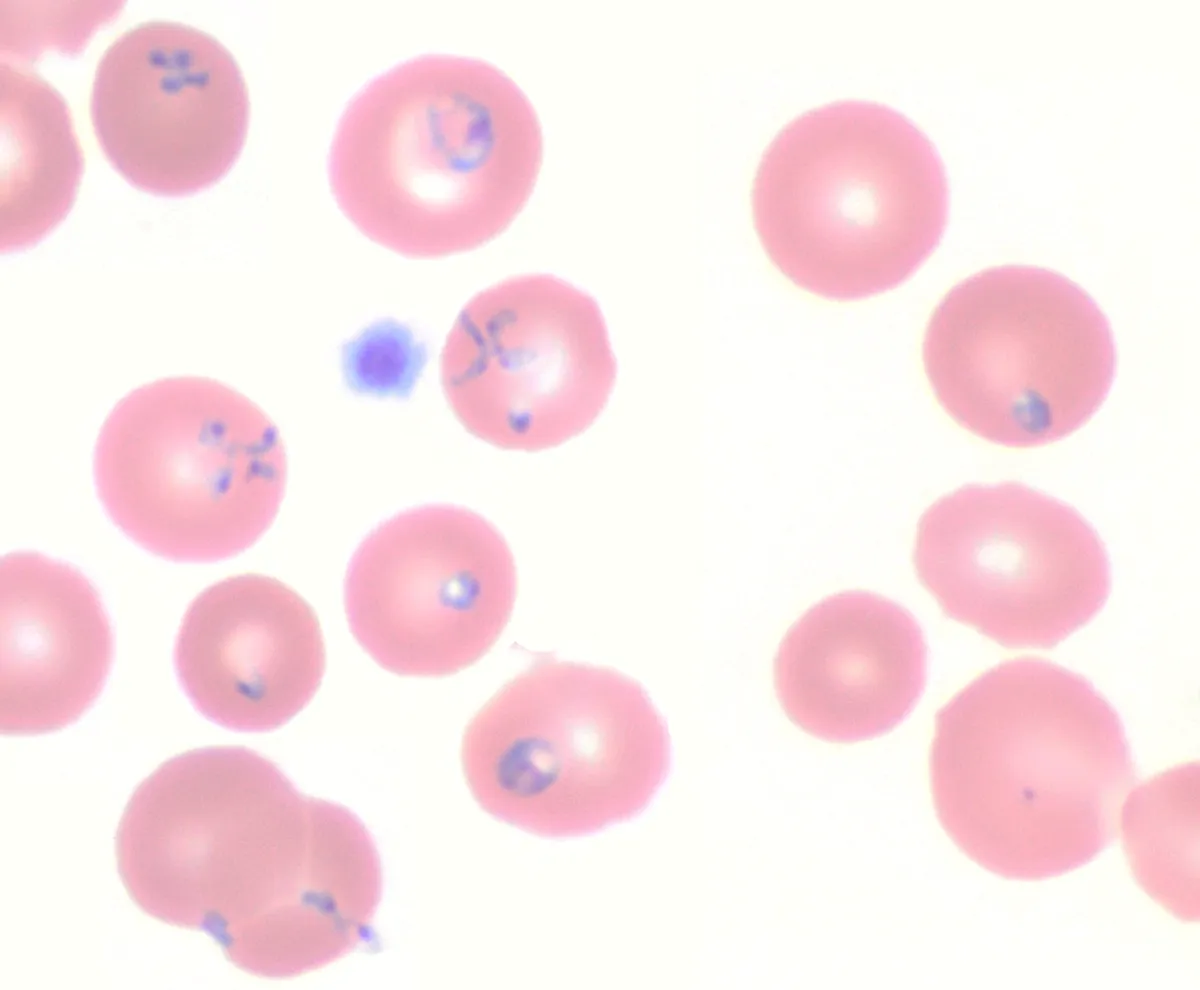
| Hospital-acquired malaria or babesiosis mimic | Fever and haemolysis after transfusion | Thick and thin films; PCR; donor travel history |
Exam pearls
Guideline
WHO Screening donated blood for transfusion-transmissible infections (2010) with WHO blood safety guidance, FDA Bacterial risk control strategies for platelets (2020, revised), FDA individual risk-based donor eligibility guidance (2023), UK Guidelines for the Blood Transfusion Services (Red Book, continually updated) and Annual SHOT Report 2024 (2025)
References
- World Health Organization. Screening donated blood for transfusion-transmissible infections: recommendations. WHO, Geneva 2010.
- Busch MP, Bloch EM, Kleinman S. Prevention of transfusion-transmitted infections. Blood 2019.
- US Food and Drug Administration. Bacterial risk control strategies for blood collection establishments and transfusion services to enhance the safety and availability of platelets for transfusion: guidance for industry. FDA, Silver Spring 2020.
- US Food and Drug Administration. Recommendations for evaluating donor eligibility using individual risk-based questions to reduce the risk of human immunodeficiency virus transmission by blood and blood products: guidance for industry. FDA, Silver Spring 2023.
- Joint UK Blood Transfusion and Tissue Transplantation Services Professional Advisory Committee. Guidelines for the Blood Transfusion Services in the United Kingdom (Red Book). JPAC 2013.
- Serious Hazards of Transfusion (SHOT). Annual SHOT Report 2024. SHOT, Manchester 2025.
Related topics
By Dr Khalid Seidi (B.Sc., M.D.) · MedEd World Clinical Knowledge library. Original teaching content checked against current guidelines (November 2026); confirm the latest local guidance before clinical use. Not a substitute for clinical judgement.