Clinical Knowledge › Anaesthesiology › Pain medicine
Acute postoperative pain management
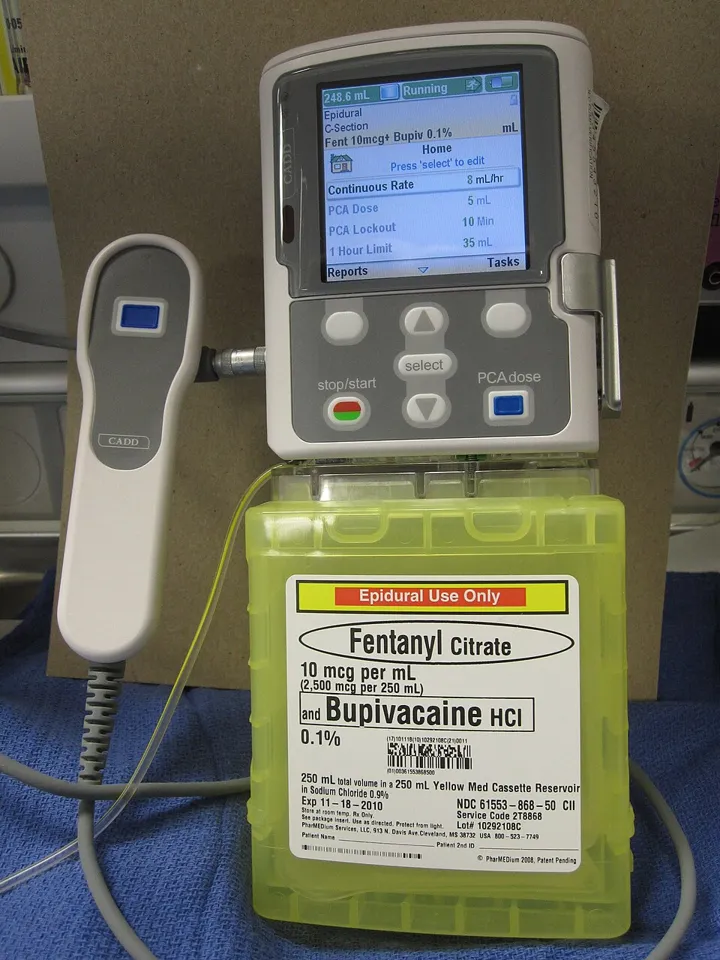
Acute postoperative pain is the expected pain after surgical tissue injury. Poorly controlled, it impairs breathing, coughing and mobilisation, raises sympathetic tone and myocardial oxygen demand, delays discharge and predicts chronic postsurgical pain, which follows 10–50% of common operations. Good management starts before surgery with risk assessment and education, continues with a procedure-specific multimodal plan, and ends with a safe step-down at discharge. The foundation is regular paracetamol plus an NSAID or COX-2 inhibitor unless contraindicated, often with intraoperative dexamethasone, local anaesthetic wound infiltration or a regional technique (epidural, peripheral nerve or fascial plane block), and opioids kept for rescue. Assessment should be functional (can the patient breathe deeply, cough and mobilise?), not just a number. Sedation scores and respiratory rate guard against opioid-induced ventilatory impairment. Special plans are needed for opioid-tolerant, older, renal, OSA and paediatric patients.
Patient case, mechanism, investigations, management, flashcards and exam-style questions.Open the lesson →
Key facts
- Persistent postsurgical pain follows 10–50% of operations such as thoracotomy, mastectomy, amputation and hernia repair; severe in about 2–10%
- Severe acute pain is a modifiable risk factor for chronic postsurgical pain
- Foundation analgesia: regular paracetamol plus NSAID or COX-2 inhibitor, unless contraindicated, started before or during surgery
- Use procedure-specific evidence (PROSPECT) and add regional or local anaesthetic techniques where they help
- ASA 2026: fascial plane blocks strongly recommended after open cardiothoracic, abdominal and pelvic surgery and mastectomy to reduce pain and opioid use in the first 24 h
- Monitor pain at rest and on movement, sedation score, respiratory rate and SpO2; increasing sedation is the earliest sign of opioid overdose
- At discharge: immediate-release opioid only if needed, small supply (usually up to 5–7 days), no modified-release opioids for acute pain, deprescribing advice
- Opioid-tolerant patients: continue baseline opioid (including buprenorphine and methadone) and add multimodal analgesia
Differential diagnosis
| Condition | Clues | Key test |
|---|---|---|
| Expected incisional pain | Localised to wound, improves daily, worse on movement | Clinical; responds to multimodal analgesia |
| Anastomotic leak or intra-abdominal sepsis | Pain increasing after day 2–3, fever, tachycardia, ileus | CRP trend, lactate, CT abdomen with contrast |
| Compartment syndrome | Pain out of proportion, pain on passive stretch, tense limb | Clinical; compartment pressure; urgent fasciotomy |
| Myocardial ischaemia | Chest or epigastric pain, ECG changes, often silent after surgery | ECG, high-sensitivity troponin |
| Epidural haematoma or abscess | Back pain, new leg weakness or numbness beyond expected block | Stop infusion; urgent MRI spine |
| Opioid withdrawal in an opioid-dependent patient | Agitation, yawning, rhinorrhoea, mydriasis, diarrhoea, generalised pain | History; COWS score; restart baseline opioid |
| Urinary retention | Lower abdominal pain, restlessness, palpable bladder | Bladder scan |
Exam pearls
Guideline
American Pain Society/ASRA/ASA postoperative pain guideline (2016); ASA practice guideline on local and regional analgesia (2026); ESRA PROSPECT procedure-specific recommendations (ongoing, e.g. 2024); international consensus on preventing opioid-related harm in surgical patients (2021); RCoA GPAS inpatient pain management (2025)
References
- Chou R, Gordon DB, de Leon-Casasola OA, et al.. Management of postoperative pain: a clinical practice guideline from the American Pain Society, the American Society of Regional Anesthesia and Pain Medicine, and the American Society of Anesthesiologists' Committee on Regional Anesthesia, Executive Committee, and Administrative Council. J Pain 2016.
- Joshi GP, Mariano ER, Elkassabany NM, et al.. 2026 American Society of Anesthesiologists Practice Guideline on Perioperative Pain Management Using Local and Regional Analgesia for Cardiothoracic Surgeries, Mastectomy, and Abdominal Surgeries. Anesthesiology 2026.
- Bourgeois C, Oyaert L, Van de Velde M, et al.. Pain management after laparoscopic cholecystectomy: a systematic review and procedure-specific postoperative pain management (PROSPECT) recommendations. Eur J Anaesthesiol 2024.
- Levy N, Quinlan J, El-Boghdadly K, et al.. An international multidisciplinary consensus statement on the prevention of opioid-related harm in adult surgical patients. Anaesthesia 2021.
- Royal College of Anaesthetists. Guidelines for the Provision of Anaesthesia Services (GPAS): Guidelines for the provision of anaesthesia services for inpatient pain management. RCoA, London 2025.
- Kehlet H, Jensen TS, Woolf CJ.. Persistent postsurgical pain: risk factors and prevention. Lancet 2006.
Related topics
By Dr Khalid Seidi (B.Sc., M.D.) · MedEd World Clinical Knowledge library. Original teaching content checked against current guidelines (November 2026); confirm the latest local guidance before clinical use. Not a substitute for clinical judgement.