Clinical Knowledge › Internal medicine › Gastroenterology and hepatology › Diseases of the colon, rectum and anus
Anal cancer
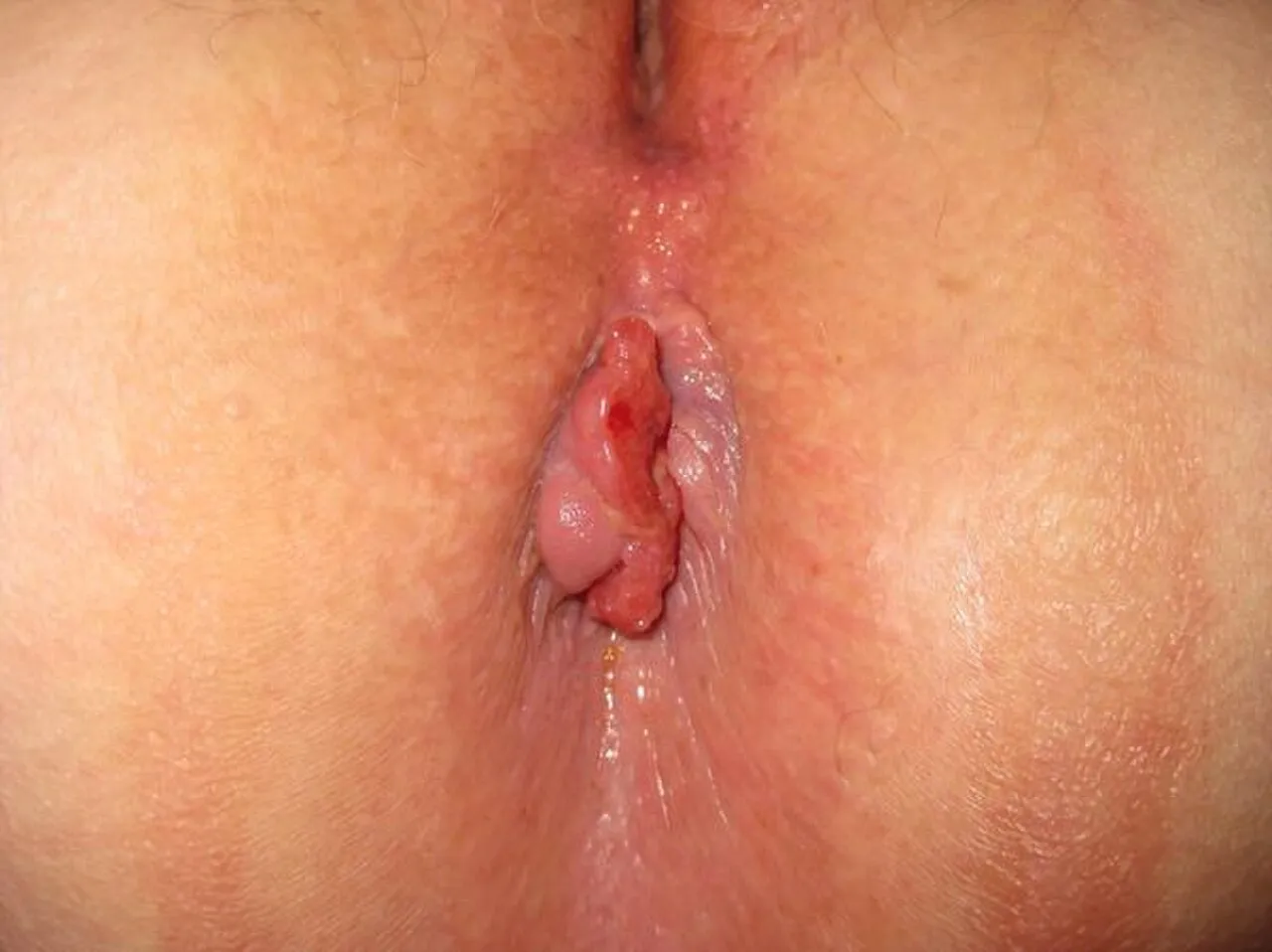
Anal cancer is an uncommon malignancy of the anal canal or perianal skin; about 85–90% are squamous cell carcinomas, and around 90% of these are caused by persistent high-risk human papillomavirus, mainly HPV-16. Incidence is rising and is highest in people with HIV, especially men who have sex with men, and is increased in women with HPV-related genital disease, transplant recipients and smokers. It develops through anal high-grade squamous intraepithelial lesions (HSIL). Symptoms (bleeding, pain, a mass, itching, discharge) are easily blamed on haemorrhoids, so examination and biopsy of any suspicious lesion are essential. Staging uses MRI of the pelvis, CT of chest and abdomen, often PET-CT, and assessment of inguinal nodes. Unlike rectal adenocarcinoma, the standard treatment is definitive chemoradiotherapy with mitomycin and fluorouracil (or capecitabine), which preserves the sphincter in most patients; abdominoperineal resection is kept for persistent or recurrent disease. Screening of high-risk groups and treatment of HSIL reduce cancer risk, and HPV vaccination prevents it.
Patient case, mechanism, investigations, management, flashcards and exam-style questions.Open the lesson →
Key facts
- About 85–90% are squamous cell carcinoma; around 90% are linked to high-risk HPV, mainly HPV-16
- Highest risk: people with HIV (especially men who have sex with men), women with vulvar or cervical HPV disease, transplant recipients, smokers
- Precursor is anal high-grade squamous intraepithelial lesion (HSIL); treating HSIL in people with HIV reduced cancer by over half (ANCHOR trial)
- Presents with bleeding, pain, mass or itching, often misattributed to haemorrhoids; biopsy any atypical lesion
- Lymph drainage: below the dentate line to inguinal nodes; above it to perirectal and internal iliac nodes
- Staging: MRI pelvis, CT chest and abdomen, PET-CT; HIV test in every patient
- Standard treatment: chemoradiotherapy with mitomycin C plus fluorouracil or capecitabine (Nigro principle); surgery is salvage
- Assess response up to 26 weeks after chemoradiotherapy before considering salvage abdominoperineal resection
Differential diagnosis
| Condition | Clues | Key test |
|---|---|---|
| Haemorrhoids | Painless bright red bleeding, soft reducible cushions | Proctoscopy; biopsy if any atypical feature |
| Anal fissure | Severe pain on defecation, posterior midline split | Examination; atypical or lateral fissure needs biopsy |
| Anal fistula or abscess | Pain, swelling, discharge, external opening | Examination, MRI pelvis; chronic fistula can harbour cancer |
| Rectal adenocarcinoma invading the anal canal | Change in bowel habit, glandular histology | Biopsy (adenocarcinoma); treated like rectal cancer |
| Condylomata acuminata | Soft papillary warts, low-risk HPV 6 and 11 | Biopsy of atypical, ulcerated or indurated warts |
| Anal melanoma | Pigmented or amelanotic polypoid mass | Biopsy with immunohistochemistry (S100, HMB-45) |
Exam pearls
Guideline
ESMO Clinical Practice Guidelines for anal cancer (2021), NCCN Anal Carcinoma (2026 versions) and International Anal Neoplasia Society consensus guidelines for anal cancer screening (2024)
References
- Rao S, Guren MG, Khan K, et al.. Anal cancer: ESMO Clinical Practice Guidelines for diagnosis, treatment and follow-up. Ann Oncol 2021.
- Stier EA, Clarke MA, Deshmukh AA, et al.. International Anal Neoplasia Society's consensus guidelines for anal cancer screening. Int J Cancer 2024.
- National Comprehensive Cancer Network (NCCN). NCCN Clinical Practice Guidelines in Oncology: Anal Carcinoma. NCCN 2026.
- Stewart DB, Gaertner WB, Glasgow SC, et al.. The American Society of Colon and Rectal Surgeons clinical practice guidelines for anal squamous cell cancers (revised 2018). Dis Colon Rectum 2018.
- Palefsky JM, Lee JY, Jay N, et al.. Treatment of anal high-grade squamous intraepithelial lesions to prevent anal cancer. N Engl J Med 2022.
- James RD, Glynne-Jones R, Meadows HM, et al.. Mitomycin or cisplatin chemoradiation with or without maintenance chemotherapy for treatment of squamous-cell carcinoma of the anus (ACT II): a randomised, phase 3, open-label, 2 × 2 factorial trial. Lancet Oncol 2013.
Related topics
By Dr Khalid Seidi (B.Sc., M.D.) · MedEd World Clinical Knowledge library. Original teaching content checked against current guidelines (November 2026); confirm the latest local guidance before clinical use. Not a substitute for clinical judgement.