Clinical Knowledge › Surgery › Elective orthopaedics
Carpal tunnel syndrome
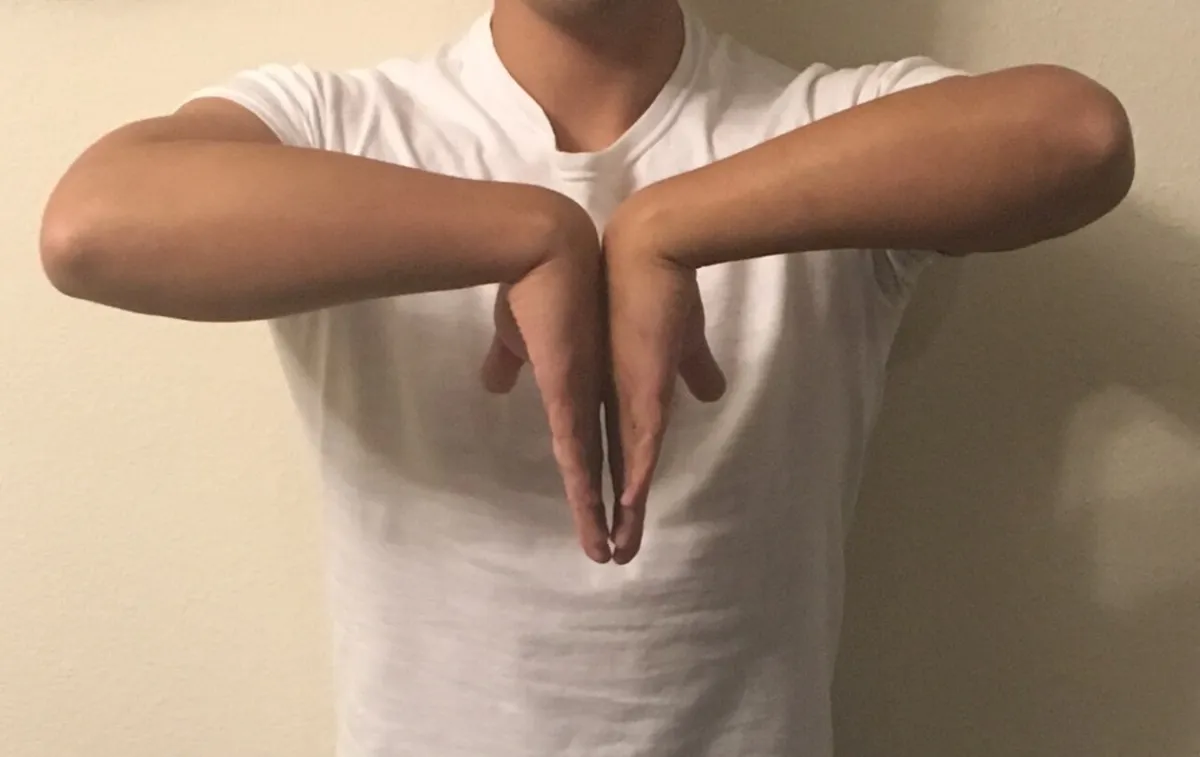
Carpal tunnel syndrome is compression of the median nerve under the flexor retinaculum at the wrist and is the commonest entrapment neuropathy. It is commoner in women aged 40–60 and is associated with pregnancy, obesity, diabetes, hypothyroidism, rheumatoid arthritis, acromegaly, amyloidosis, dialysis and wrist fractures. Patients have night-time tingling and numbness in the thumb, index, middle and radial ring finger, relieved by shaking the hand, with later thenar weakness and wasting. Sensation over the thenar eminence is spared because the palmar cutaneous branch passes superficial to the retinaculum. Diagnosis is clinical with Phalen, Tinel and carpal compression tests; nerve conduction studies or ultrasound are used when the picture is unclear or severe. Mild to moderate disease is treated with a neutral night splint and corticosteroid injection. Carpal tunnel decompression, open or endoscopic and usually under local anaesthesia, is offered for severe disease, persistent symptoms or acute CTS after trauma; risks include pillar pain, scar tenderness, nerve injury and incomplete release.
Patient case, mechanism, investigations, management, flashcards and exam-style questions.Open the lesson →
Key facts
- Commonest entrapment neuropathy; women 3:1, peak 40–60 years, often bilateral
- Paraesthesia in thumb, index, middle and radial half of ring finger, worse at night, relieved by shaking (flick sign)
- Thenar eminence sensation is spared: the palmar cutaneous branch passes superficial to the retinaculum
- Motor signs: weak abductor pollicis brevis and thenar wasting in severe disease
- Diagnosis is clinical; nerve conduction studies when uncertain, atypical, severe or before surgery in some systems
- Mild to moderate: night splint in neutral; steroid injection gives short-term relief and reduces surgery at 1 year
- Carpal tunnel decompression: day case, often under local anaesthesia; open and endoscopic give similar results
- Acute CTS after distal radius fracture needs urgent decompression
Differential diagnosis
| Condition | Clues | Key test |
|---|---|---|
| C6/C7 radiculopathy | Neck pain, reflex change, forearm involvement | MRI cervical spine; nerve studies |
| Pronator syndrome | Forearm pain, thenar eminence numbness, daytime symptoms | Nerve conduction studies |
| Anterior interosseous syndrome | Cannot make OK sign, no sensory loss | EMG |
| Ulnar neuropathy | Little finger numbness, Froment sign | Nerve conduction studies |
| Peripheral polyneuropathy | Glove and stocking, feet first | Nerve conduction studies, glucose, B12 |
| Degenerative cervical myelopathy | Bilateral clumsy hands, upper motor neurone signs | MRI cervical spine |
| Thumb CMC osteoarthritis | Thumb base pain, positive grind test | Hand radiograph |
Exam pearls
Guideline
AAOS Management of Carpal Tunnel Syndrome evidence-based clinical practice guideline (2024 update), with supporting trial evidence (Jarvik 2009, Atroshi 2013)
References
- American Academy of Orthopaedic Surgeons. Management of Carpal Tunnel Syndrome: Evidence-Based Clinical Practice Guideline (update). AAOS 2024.
- Padua L, Coraci D, Erra C, et al.. Carpal tunnel syndrome: clinical features, diagnosis, and management. Lancet Neurol 2016.
- Jarvik JG, Comstock BA, Kliot M, et al.. Surgery versus non-surgical therapy for carpal tunnel syndrome: a randomised parallel-group trial. Lancet 2009.
- Atroshi I, Flondell M, Hofer M, Ranstam J. Methylprednisolone injections for the carpal tunnel syndrome: a randomized, placebo-controlled trial. Ann Intern Med 2013.
- Graham B, Regehr G, Naglie G, Wright JG. Development and validation of diagnostic criteria for carpal tunnel syndrome. J Hand Surg Am 2006.
- Bland JDP. Carpal tunnel syndrome. BMJ 2007.
Related topics
By Dr Khalid Seidi (B.Sc., M.D.) · MedEd World Clinical Knowledge library. Original teaching content checked against current guidelines (November 2026); confirm the latest local guidance before clinical use. Not a substitute for clinical judgement.