Clinical Knowledge › Neurology › Movement disorders and ataxias
Drug-induced parkinsonism and tardive dyskinesia
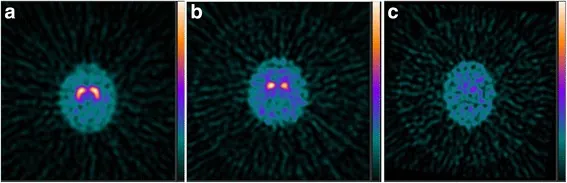
Dopamine D2-blocking drugs cause a spectrum of movement disorders. Drug-induced parkinsonism, the second commonest cause of parkinsonism, produces symmetrical bradykinesia and rigidity within days to months of starting antipsychotics, metoclopramide, prochlorperazine, cinnarizine or flunarizine, or with valproate and lithium. Treatment is to stop or switch the drug; recovery may take months, and persistent signs suggest unmasked Parkinson disease (abnormal DaT-SPECT). Acute dystonia (oculogyric crisis, torticollis) occurs within days and responds to IV or IM procyclidine; akathisia causes inner restlessness. Tardive dyskinesia appears after months to years: repetitive orofacial-lingual movements, sometimes with limb or truncal chorea, worsened by anticholinergics. Prevention means the lowest dose for the shortest time and regular AIMS screening. VMAT2 inhibitors (valbenazine, deutetrabenazine) are first-line treatment, and switching to clozapine helps. Neuroleptic malignant syndrome is an emergency.
Patient case, mechanism, investigations, management, flashcards and exam-style questions.Open the lesson →
Key facts
- Culprits: typical antipsychotics (haloperidol), high-potency atypicals (risperidone), antiemetics (metoclopramide, prochlorperazine), cinnarizine, flunarizine, valproate, lithium, amiodarone, tetrabenazine
- Drug-induced parkinsonism: symmetrical, early tremor less prominent, onset days to 3 months after starting or increasing the drug; DaT-SPECT normal
- Recovery after stopping can take up to 6–18 months; persistent or progressive signs suggest underlying Parkinson disease
- Acute dystonia (hours–days): oculogyric crisis, torticollis, trismus – treat with IV/IM procyclidine or benztropine; risk highest in young men
- Akathisia (days–weeks): subjective restlessness and pacing; reduce dose, propranolol, mirtazapine
- Tardive dyskinesia (months–years): orofacial-lingual chorea; prevalence about 20–30% with first-generation, lower with second-generation antipsychotics
- First-line TD treatment: VMAT2 inhibitors (valbenazine, deutetrabenazine); stop anticholinergics; consider switching to clozapine or quetiapine
- Screen with the Abnormal Involuntary Movement Scale (AIMS) at baseline and regularly (for example every 6–12 months)
Differential diagnosis
| Condition | Clues | Key test |
|---|---|---|
| Parkinson disease | Asymmetric, rest tremor, hyposmia, RBD, no drug exposure | DaT-SPECT abnormal |
| Huntington disease | Generalised chorea, family history, cognitive and psychiatric change | HTT CAG repeat |
| Wilson disease | Young, liver disease, Kayser–Fleischer rings | Caeruloplasmin, urine copper |
| Edentulous orodyskinesia | Older adult without dentures, no drug exposure | Clinical |
| Tic disorder | Premonitory urge, suppressible, onset in childhood | Clinical |
| Stereotypies in psychosis or autism | Present before drug exposure | History |
Exam pearls
Guideline
AAN-endorsed recommendations for tardive syndromes (2018 update) and APA Practice Guideline for schizophrenia (2020)
References
- Bhidayasiri R, Jitkritsadakul O, Friedman JH, Fahn S.. Updating the recommendations for treatment of tardive syndromes: a systematic review of new evidence and practice recommendations. J Neurol Sci 2018.
- American Psychiatric Association. Practice guideline for the treatment of patients with schizophrenia, 3rd edition. APA 2020.
- Hauser RA, Factor SA, Marder SR, et al.. KINECT 3: a phase 3 randomized, double-blind, placebo-controlled trial of valbenazine for tardive dyskinesia. Am J Psychiatry 2017.
- Ropper AH, Samuels MA, Klein JP, Prasad S.. Adams and Victor's Principles of Neurology. 2023.
- Jankovic J, Mazziotta JC, Pomeroy SL, Newman NJ, eds.. Bradley and Daroff's Neurology in Clinical Practice. 2022.
- Papadakis MA, Rabow MW, McQuaid KR, eds.. CURRENT Medical Diagnosis & Treatment 2026. 2026.
Related topics
By Dr Khalid Seidi (B.Sc., M.D.) · MedEd World Clinical Knowledge library. Original teaching content checked against current guidelines (November 2026); confirm the latest local guidance before clinical use. Not a substitute for clinical judgement.