Clinical Knowledge › Neurology › Movement disorders and ataxias
Parkinson-plus syndromes (MSA, PSP, CBD)
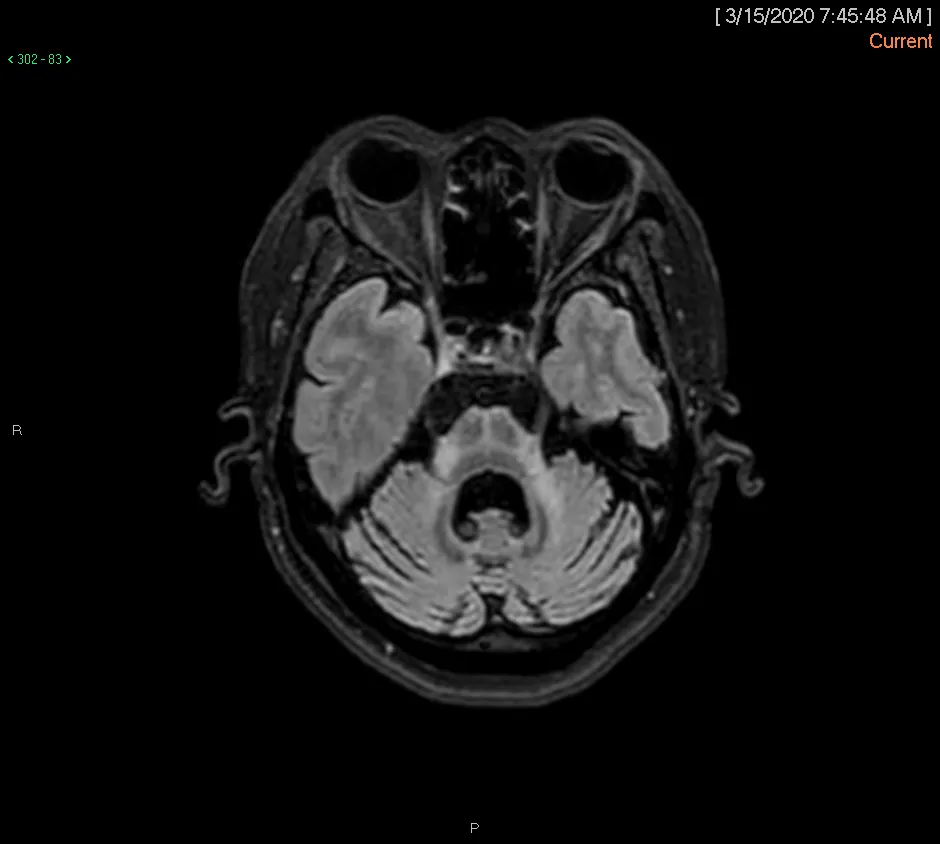
Parkinson-plus (atypical parkinsonian) syndromes cause parkinsonism with additional features, a poor or short-lived levodopa response and faster progression than Parkinson disease. Multiple system atrophy (MSA), an alpha-synucleinopathy with glial cytoplasmic inclusions, causes early severe autonomic failure with parkinsonism (MSA-P) or cerebellar ataxia (MSA-C), stridor and REM sleep behaviour disorder; MRI may show the hot cross bun sign. Progressive supranuclear palsy (PSP), a four-repeat tauopathy, causes early backward falls, vertical (especially downward) supranuclear gaze palsy, axial rigidity, dysphagia and frontal change, with midbrain atrophy (hummingbird sign). Corticobasal degeneration (CBD), also a tauopathy, causes asymmetric rigidity, dystonia, myoclonus, apraxia, cortical sensory loss and alien limb. Diagnosis uses MDS (MSA 2022, PSP 2017) and Armstrong (2013) criteria; DaT-SPECT cannot separate them from PD. Treatment is supportive and multidisciplinary, including a levodopa trial, autonomic and swallowing care; median survival is 6–10 years.
Patient case, mechanism, investigations, management, flashcards and exam-style questions.Open the lesson →
Key facts
- Atypical parkinsonism: symmetrical onset, early falls, poor or waning levodopa response, rapid progression, absent rest tremor
- MSA = alpha-synucleinopathy (glial cytoplasmic inclusions in oligodendrocytes); PSP and CBD = four-repeat tauopathies
- MSA: early severe autonomic failure, cerebellar (MSA-C) or parkinsonian (MSA-P) type, stridor, antecollis, cold blue hands
- PSP: falls backwards in the first year, vertical supranuclear gaze palsy (downgaze), staring 'surprised' face, axial rigidity, applause sign
- CBD (corticobasal syndrome): asymmetric limb rigidity, dystonia, myoclonus, ideomotor apraxia, cortical sensory loss, alien limb phenomenon
- MRI signs: hot cross bun (pons, MSA-C), putaminal rim and atrophy (MSA-P), hummingbird/penguin midbrain atrophy (PSP), asymmetric frontoparietal atrophy (CBD)
- All show abnormal DaT-SPECT, so it cannot distinguish them from PD; cardiac MIBG is usually normal in MSA and abnormal in PD
- Management is supportive: trial of levodopa (up to 1 g/day), treat orthostatic hypotension, bladder and swallowing, speech and physiotherapy, palliative care
Differential diagnosis
| Condition | Clues | Key test |
|---|---|---|
| Parkinson disease | Asymmetric rest tremor, sustained levodopa response, slow progression | Clinical; MIBG abnormal |
| Dementia with Lewy bodies | Early dementia, hallucinations, fluctuations | Clinical; DaT-SPECT abnormal |
| Vascular parkinsonism | Lower-body predominance, vascular risk, stepwise | MRI white matter disease |
| Normal pressure hydrocephalus | Gait apraxia, incontinence, dementia | MRI, CSF tap test |
| Spinocerebellar ataxias | Family history, slowly progressive ataxia | Genetic testing |
| Frontotemporal dementia with parkinsonism | Behavioural change predominates | MRI frontal/temporal atrophy, genetics |
| Alzheimer disease presenting as corticobasal syndrome | Corticobasal syndrome with amyloid positivity | Amyloid PET or CSF biomarkers |
Exam pearls
Guideline
MDS criteria for multiple system atrophy (2022), MDS criteria for progressive supranuclear palsy (2017), Armstrong criteria for corticobasal degeneration (2013); NICE NG71 (2017) for parkinsonism
References
- Wenning GK, Stankovic I, Vignatelli L, et al.. The Movement Disorder Society criteria for the diagnosis of multiple system atrophy. Mov Disord 2022.
- Höglinger GU, Respondek G, Stamelou M, et al.. Clinical diagnosis of progressive supranuclear palsy: the Movement Disorder Society criteria. Mov Disord 2017.
- Armstrong MJ, Litvan I, Lang AE, et al.. Criteria for the diagnosis of corticobasal degeneration. Neurology 2013.
- Postuma RB, Berg D, Stern M, et al.. MDS clinical diagnostic criteria for Parkinson's disease. Mov Disord 2015.
- National Institute for Health and Care Excellence. Parkinson's disease in adults (NG71). NICE 2017.
- Ropper AH, Samuels MA, Klein JP, Prasad S.. Adams and Victor's Principles of Neurology. 2023.
Related topics
By Dr Khalid Seidi (B.Sc., M.D.) · MedEd World Clinical Knowledge library. Original teaching content checked against current guidelines (November 2026); confirm the latest local guidance before clinical use. Not a substitute for clinical judgement.