Clinical Knowledge › Internal medicine › Cardiology and angiology › Coronary artery disease
Dyslipidaemia
Dyslipidaemia is any abnormality of plasma lipoproteins that raises cardiovascular or pancreatitis risk: high LDL cholesterol, high non-HDL cholesterol or apolipoprotein B, high triglycerides, raised lipoprotein(a) or low HDL cholesterol. It may be primary, as in familial hypercholesterolaemia, familial combined hyperlipidaemia or familial chylomicronaemia, or secondary to hypothyroidism, nephrotic syndrome, cholestasis, diabetes, obesity, alcohol or drugs. LDL and other apoB-containing particles cause atherosclerosis, and each 1 mmol/L reduction in LDL lowers major vascular events by about a fifth. Management starts with total cardiovascular risk: SCORE2 in Europe and PREVENT in the USA, with risk-based LDL goals. Statins are first line, with ezetimibe, bempedoic acid, PCSK9 antibodies or inclisiran added to reach goals. Severe hypertriglyceridaemia needs urgent lowering to prevent pancreatitis. The 2025 ESC/EAS focused update and the 2026 ACC/AHA guideline both favour earlier, combination therapy and one-off Lp(a) testing.
Patient case, mechanism, investigations, management, flashcards and exam-style questions.Open the lesson →
Key facts
- LDL cholesterol (and apoB) is causal for atherosclerosis; treat to risk-based goals rather than to a 'normal' range
- Non-fasting lipid profiles are acceptable for most risk assessment; fast if triglycerides are above about 4.5 mmol/L
- Always exclude secondary causes: hypothyroidism (TSH), nephrotic syndrome, cholestasis, poorly controlled diabetes, alcohol and drugs
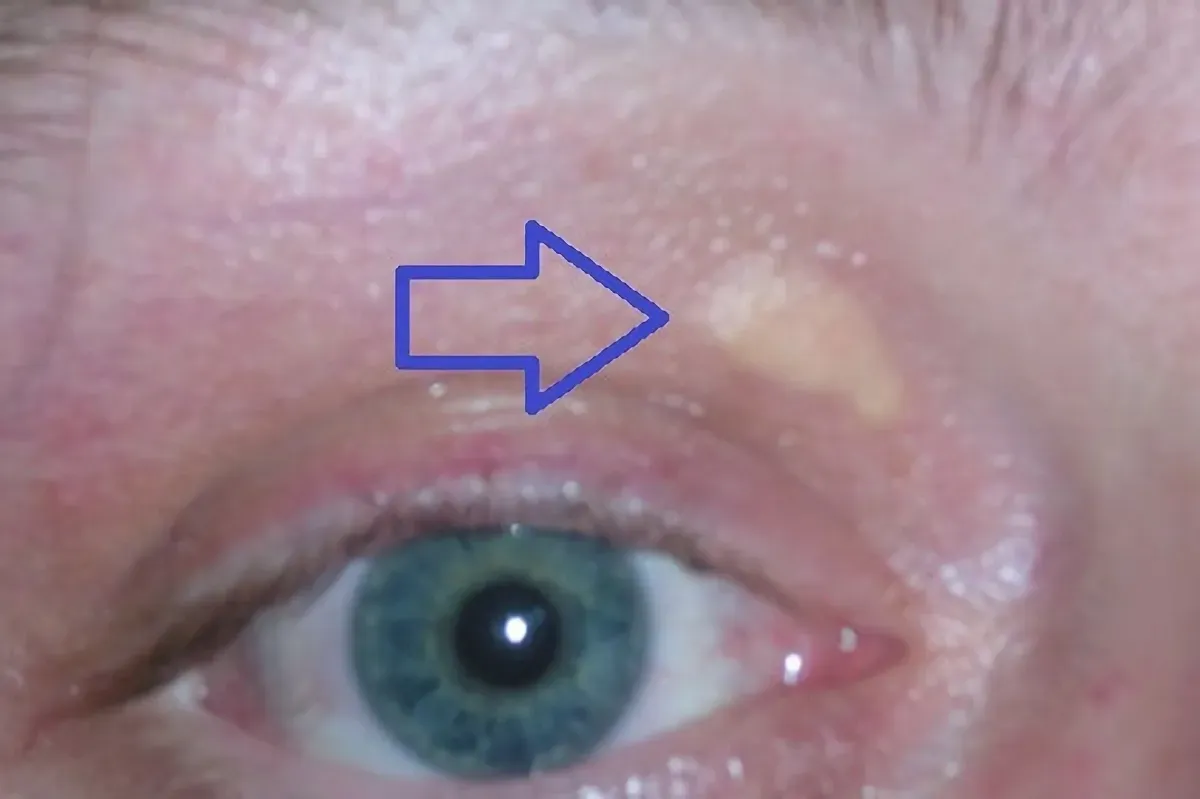
- Familial hypercholesterolaemia (about 1 in 250–300) gives LDL above about 4.9 mmol/L, tendon xanthomas and premature coronary disease; cascade-screen relatives
- High-intensity statins lower LDL by 50% or more; ezetimibe adds about 20–25%, bempedoic acid about 18–25% and PCSK9 inhibitors about 50–60%
- ESC LDL goals: very high risk below 1.4 mmol/L with at least 50% reduction; high below 1.8; moderate below 2.6; low below 3.0 mmol/L
- Triglycerides above 10 mmol/L (about 880 mg/dL) carry a risk of acute pancreatitis and need fibrates, diet and alcohol abstinence
- Statin muscle symptoms are common but true myopathy is rare; check CK, rechallenge or use a lower dose or alternative statin before labelling intolerance
Differential diagnosis
| Condition | Clues | Key test |
|---|---|---|
| Hypothyroidism | Fatigue, weight gain, cold intolerance, raised LDL | TSH and free T4 |
| Nephrotic syndrome | Oedema, heavy proteinuria, hypoalbuminaemia, high cholesterol | Urine protein:creatinine ratio, serum albumin |
| Cholestatic liver disease | Pruritus, jaundice, raised ALP; lipoprotein X can mimic very high LDL | Liver tests, ultrasound, antimitochondrial antibody |
| Familial combined hyperlipidaemia | Raised LDL and triglycerides varying over time, family history of mixed lipids and premature CAD | Repeated lipid profile, apoB |
| Familial dysbetalipoproteinaemia | Palmar and tuberoeruptive xanthomas, raised cholesterol and triglycerides in roughly equal amounts | APOE genotype (E2/E2) |
| Familial chylomicronaemia syndrome | Triglycerides above 10 mmol/L from childhood, recurrent pancreatitis, eruptive xanthomas, lipaemia retinalis | Genetic testing (LPL and related genes) |
| Drug-induced dyslipidaemia | Thiazides, glucocorticoids, retinoids, antiretrovirals, ciclosporin, atypical antipsychotics, oestrogens | Medication review |
Exam pearls
Guideline
2019 ESC/EAS dyslipidaemia guidelines with the 2025 focused update, and the 2026 ACC/AHA multisociety guideline on the management of dyslipidaemia
References
- Mach F, Baigent C, Catapano AL, et al.. 2019 ESC/EAS Guidelines for the management of dyslipidaemias: lipid modification to reduce cardiovascular risk. Eur Heart J 2020.
- Mach F, Koskinas KC, Roeters van Lennep JE, et al.. 2025 Focused Update of the 2019 ESC/EAS Guidelines for the management of dyslipidaemias. Eur Heart J 2025.
- Blumenthal RS, Morris PB, Gaudino M, et al.. 2026 ACC/AHA/AACVPR/ABC/ACPM/ADA/AGS/APhA/ASPC/NLA/PCNA Guideline on the Management of Dyslipidemia. J Am Coll Cardiol 2026.
- Cholesterol Treatment Trialists' (CTT) Collaboration. Efficacy and safety of more intensive lowering of LDL cholesterol: a meta-analysis of data from 170,000 participants in 26 randomised trials. Lancet 2010.
- Cannon CP, Blazing MA, Giugliano RP, et al.. Ezetimibe Added to Statin Therapy after Acute Coronary Syndromes. N Engl J Med 2015.
- Sabatine MS, Giugliano RP, Keech AC, et al.. Evolocumab and Clinical Outcomes in Patients with Cardiovascular Disease. N Engl J Med 2017.
Related topics
By Dr Khalid Seidi (B.Sc., M.D.) · MedEd World Clinical Knowledge library. Original teaching content checked against current guidelines (November 2026); confirm the latest local guidance before clinical use. Not a substitute for clinical judgement.