Clinical Knowledge › Internal medicine › Endocrinology › Clinical problems
Erectile dysfunction: approach to the patient
Erectile dysfunction (ED) is the persistent inability to achieve or maintain an erection sufficient for satisfactory sexual activity. It affects roughly half of men aged 40–70 to some degree and shares risk factors with cardiovascular disease: age, diabetes, hypertension, dyslipidaemia, smoking, obesity and inactivity. Erection depends on parasympathetic release of nitric oxide, which raises cGMP and relaxes cavernosal smooth muscle; phosphodiesterase-5 (PDE5) breaks cGMP down. Most ED is vasculogenic or mixed, but neurological, hormonal (hypogonadism, hyperprolactinaemia, thyroid disease), drug-related and psychogenic causes matter. ED often precedes coronary disease by several years, so every man needs cardiovascular risk assessment, HbA1c or glucose, lipids and a morning testosterone. Treatment combines lifestyle and risk-factor change, review of medicines, psychosexual support and PDE5 inhibitors, which are contraindicated with nitrates; injections, vacuum devices and penile prostheses follow.
Patient case, mechanism, investigations, management, flashcards and exam-style questions.Open the lesson →
Key facts
- ED affects about half of men aged 40–70 to some degree; prevalence rises with age, diabetes and cardiovascular disease
- Erection: parasympathetic (S2–S4) nitric oxide → guanylate cyclase → cGMP → smooth muscle relaxation → arterial inflow and veno-occlusion
- ED is an early marker of atherosclerosis and can precede coronary symptoms by about 3–5 years
- Preserved morning or nocturnal erections and sudden, situational onset suggest a psychogenic cause
- Baseline tests: HbA1c or fasting glucose, lipids, morning total testosterone (repeat and add LH if low) and cardiovascular risk estimate
- PDE5 inhibitors need sexual stimulation; tadalafil lasts longest (half-life about 17.5 hours)
- PDE5 inhibitors are absolutely contraindicated with nitrates (including amyl nitrite) and riociguat
- Ischaemic priapism lasting more than 4 hours is a urological emergency
Differential diagnosis
| Condition | Clues | Key test |
|---|---|---|
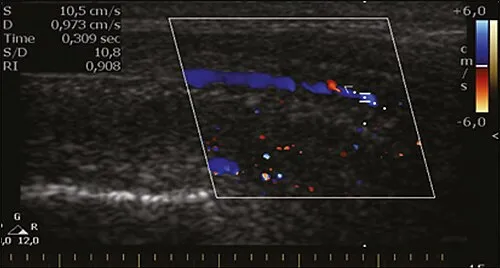
| Vasculogenic ED | Gradual onset, loss of morning erections, smoker, diabetes, hypertension, dyslipidaemia, PAD | CV risk assessment; penile Doppler if needed |
| Neurogenic ED | Diabetic or other neuropathy, spinal cord injury, multiple sclerosis, pelvic surgery or radiotherapy | Neurological examination; history of prostatectomy |
| Hypogonadism | Low libido, fewer morning erections, reduced shaving, small testes, gynaecomastia | Morning testosterone ×2, LH, FSH, prolactin |
| Hyperprolactinaemia | Low libido, galactorrhoea, headache or visual field loss | Prolactin; pituitary MRI |
| Drug-induced ED | SSRIs, thiazides, older beta-blockers, antipsychotics, antiandrogens, 5α-reductase inhibitors, opioids, alcohol | Drug history; trial of switching |
| Psychogenic ED | Sudden onset, situational, preserved morning erections, anxiety, depression, relationship stress | History; validated questionnaires |
| Peyronie disease | Penile curvature, pain, palpable plaque | Examination; ultrasound |
| Hypothyroidism or hyperthyroidism | Fatigue, weight change, tremor or cold intolerance | TSH |
Exam pearls
Guideline
AUA erectile dysfunction guideline (2018), EAU Guidelines on Sexual and Reproductive Health (2026 edition), Princeton IV consensus on erectile dysfunction and cardiovascular health (2024) and Endocrine Society testosterone therapy guideline (2018)
References
- Burnett AL, Nehra A, Breau RH, et al.. Erectile dysfunction: AUA guideline. J Urol 2018.
- European Association of Urology (EAU). EAU Guidelines on Sexual and Reproductive Health. EAU Guidelines Office, Arnhem 2026.
- Köhler TS, Kloner RA, Rosen RC, et al.. The Princeton IV consensus recommendations for the management of erectile dysfunction and cardiovascular disease. Mayo Clin Proc 2024.
- Bhasin S, Brito JP, Cunningham GR, et al.. Testosterone therapy in men with hypogonadism: an Endocrine Society clinical practice guideline. J Clin Endocrinol Metab 2018.
- Kloner RA, Burnett AL, Miner M, et al.. Princeton IV consensus guidelines: PDE5 inhibitors and cardiac health. J Sex Med 2024.
- Shamloul R, Ghanem H.. Erectile dysfunction. Lancet 2013.
Related topics
By Dr Khalid Seidi (B.Sc., M.D.) · MedEd World Clinical Knowledge library. Original teaching content checked against current guidelines (November 2026); confirm the latest local guidance before clinical use. Not a substitute for clinical judgement.