Clinical Knowledge › Internal medicine › Rheumatology and immunology › Vasculitis
Granulomatosis with polyangiitis (GPA)
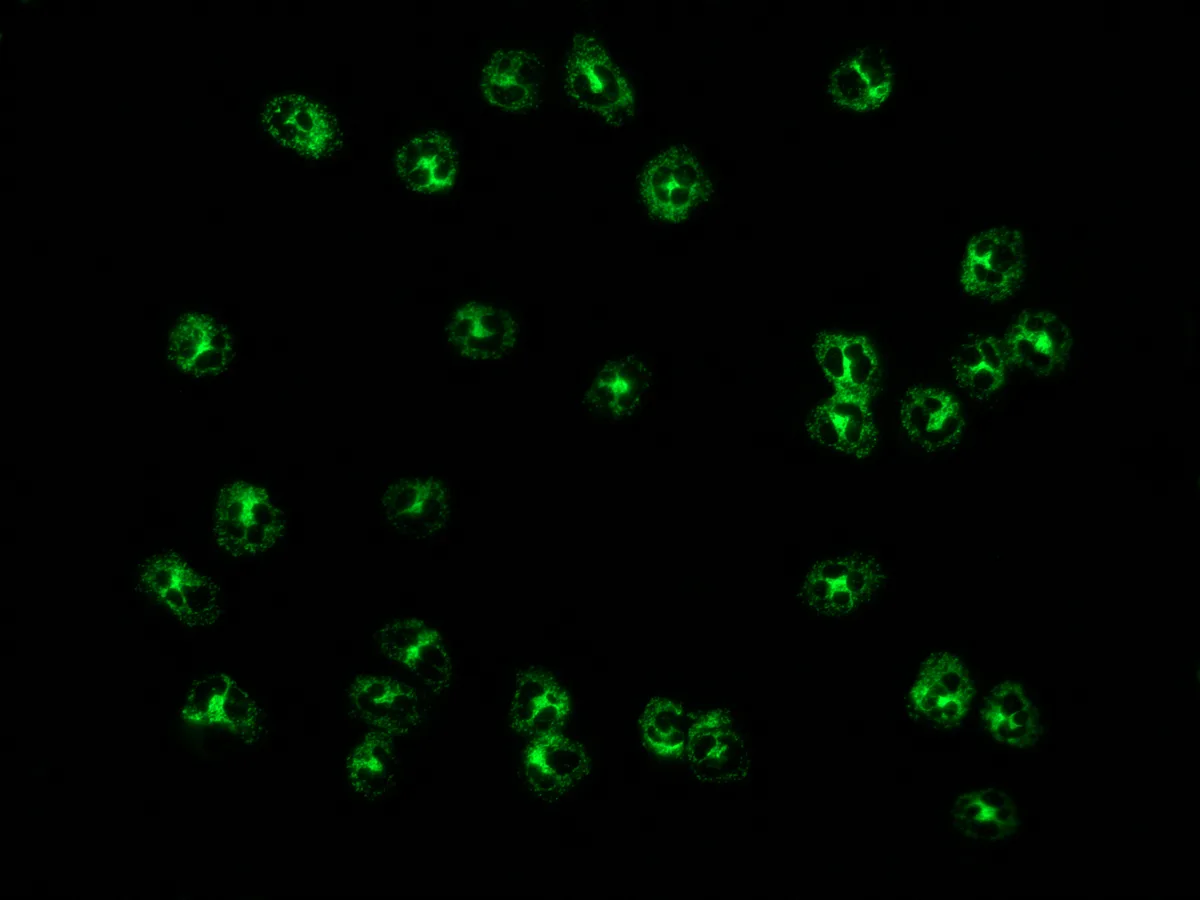
Granulomatosis with polyangiitis (formerly Wegener granulomatosis) is an ANCA-associated small-vessel vasculitis that combines necrotising granulomatous inflammation of the upper and lower respiratory tract with necrotising vasculitis and, in most patients, pauci-immune glomerulonephritis. About 80–90% of patients with active generalised disease have PR3-ANCA (cytoplasmic pattern). Typical features are chronic crusting rhinosinusitis, epistaxis, septal perforation and saddle nose, otitis media and hearing loss, subglottic stenosis, cavitating lung nodules, scleritis or orbital masses, and a rapidly progressive glomerulonephritis with haematuria and red-cell casts. Diagnosis rests on antigen-specific ANCA testing and tissue biopsy. Remission is induced with glucocorticoids, now in reduced-dose regimens, plus rituximab or cyclophosphamide, and maintained with rituximab for 2–4 years. Relapse is common, especially with PR3-ANCA, and infection, kidney failure, glucocorticoid toxicity and cancer drive long-term morbidity.
Patient case, mechanism, investigations, management, flashcards and exam-style questions.Open the lesson →
Key facts
- Small-vessel vasculitis with granulomas: upper airway, lungs and kidneys (the ELK triad: ENT, Lung, Kidney)
- PR3-ANCA (c-ANCA) in about 80–90% of active generalised GPA; 5–10% are MPO-ANCA positive and some limited ENT disease is ANCA negative
- ENT disease: bloody nasal crusting, sinusitis, septal perforation, saddle-nose deformity, otitis media, hearing loss, subglottic stenosis
- Lung nodules that cavitate, infiltrates and diffuse alveolar haemorrhage; kidney: pauci-immune necrotising crescentic glomerulonephritis
- Induction: glucocorticoids plus rituximab or cyclophosphamide; rituximab is preferred for relapsing disease and in young people wishing to preserve fertility
- Maintenance: rituximab 500 mg every 6 months for 24–48 months (MAINRITSAN); azathioprine or methotrexate are alternatives
- Reduced-dose glucocorticoids are as effective as standard dose with fewer serious infections (PEXIVAS)
- Co-trimoxazole for Pneumocystis prophylaxis during induction; check immunoglobulins before each rituximab dose
Differential diagnosis
| Condition | Clues | Key test |
|---|---|---|
| Microscopic polyangiitis | No granulomas or destructive ENT disease; MPO-ANCA; ILD | MPO-ANCA; biopsy without granulomas |
| Eosinophilic granulomatosis with polyangiitis | Asthma, nasal polyps, eosinophilia above 1 × 10⁹/L | Eosinophil count; biopsy eosinophils |
| Anti-GBM disease | Pulmonary haemorrhage and RPGN without ENT disease | Anti-GBM antibodies; linear IgG on biopsy |
| Tuberculosis or fungal infection | Cavitating nodules, night sweats, exposure; no glomerulonephritis | Sputum AFB, cultures, galactomannan, biopsy stains |
| Lung cancer or lymphoma | Mass with weight loss; extranodal NK/T-cell lymphoma destroys the midface | CT-guided or nasal biopsy with histology |
| Cocaine-induced midline destructive lesion | Septal perforation, cocaine use, often atypical ANCA (HNE) | Toxicology; ANCA to human neutrophil elastase |
| Sarcoidosis | Hilar lymphadenopathy, non-necrotising granulomas, no vasculitis | Raised ACE; biopsy; ANCA negative |
| Infective endocarditis | Fever, murmur, glomerulonephritis, sometimes PR3-ANCA positive | Blood cultures; echocardiography |
Exam pearls
Guideline
EULAR recommendations for ANCA-associated vasculitis (2022 update), ACR/Vasculitis Foundation AAV guideline (2021) and KDIGO 2024 ANCA vasculitis guideline; 2022 ACR/EULAR classification criteria
References
- Kidney Disease: Improving Global Outcomes (KDIGO) ANCA Vasculitis Work Group. KDIGO 2024 Clinical Practice Guideline for the Management of Antineutrophil Cytoplasmic Antibody (ANCA)-Associated Vasculitis. Kidney Int 2024.
- Hellmich B, Sanchez-Alamo B, Schirmer JH, et al.. EULAR recommendations for the management of ANCA-associated vasculitis: 2022 update. Ann Rheum Dis 2024.
- Chung SA, Langford CA, Maz M, et al.. 2021 American College of Rheumatology/Vasculitis Foundation Guideline for the Management of Antineutrophil Cytoplasmic Antibody-Associated Vasculitis. Arthritis Rheumatol 2021.
- Robson JC, Grayson PC, Ponte C, et al.. 2022 American College of Rheumatology/European Alliance of Associations for Rheumatology classification criteria for granulomatosis with polyangiitis. Ann Rheum Dis 2022.
- Walsh M, Merkel PA, Peh CA, et al.. Plasma Exchange and Glucocorticoids in Severe ANCA-Associated Vasculitis. N Engl J Med 2020.
- Stone JH, Merkel PA, Spiera R, et al.. Rituximab versus cyclophosphamide for ANCA-associated vasculitis. N Engl J Med 2010.
Related topics
By Dr Khalid Seidi (B.Sc., M.D.) · MedEd World Clinical Knowledge library. Original teaching content checked against current guidelines (November 2026); confirm the latest local guidance before clinical use. Not a substitute for clinical judgement.