Clinical Knowledge › Obstetrics and gynaecology › Early pregnancy problems
Hyperemesis gravidarum
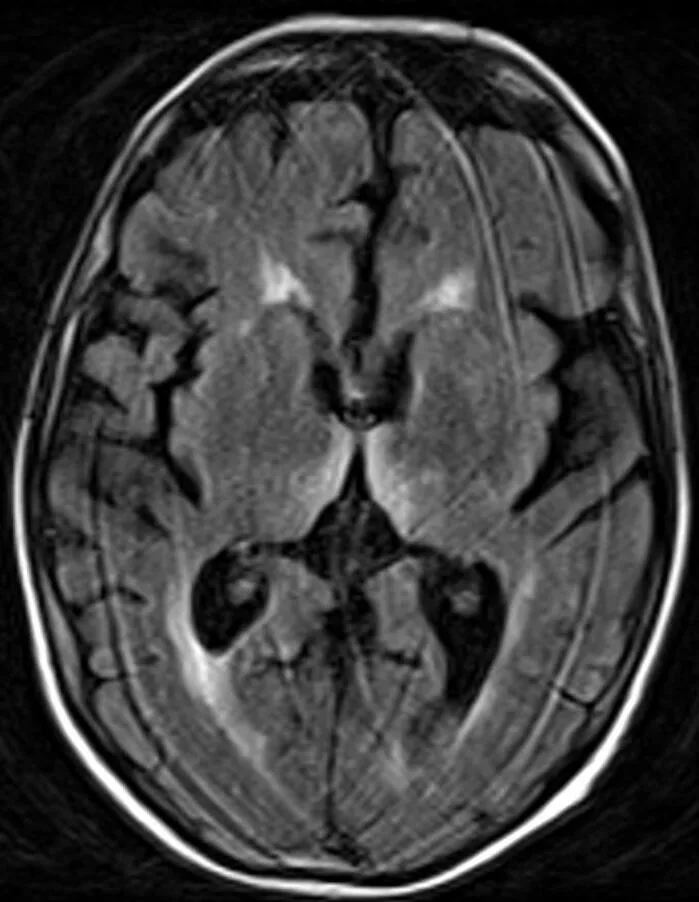
Hyperemesis gravidarum (HG) is the severe end of nausea and vomiting in pregnancy (NVP). It affects about 1–3% of pregnancies, begins before 16 weeks (usually 4–7 weeks) and is defined in the RCOG Green-top Guideline No. 69 (2024) by protracted vomiting with more than 5% pre-pregnancy weight loss, dehydration and electrolyte imbalance. The placental hormone GDF15, acting on the brainstem, is now the leading causal factor; high hCG explains the link with multiple and molar pregnancy. HG is a diagnosis of exclusion: symptoms starting after 10+6 weeks, fever, pain or a goitre point elsewhere. Severity is scored with PUQE-24; ultrasound excludes twins and molar pregnancy, and U&E, LFT and TFT guide treatment. Most women can be managed as day cases with intravenous 0.9% saline plus potassium, combination antiemetics (antihistamines first, then ondansetron or metoclopramide, then corticosteroids), thiamine and, when admitted, LMWH. Wernicke encephalopathy, hyponatraemia, VTE and depression are the dangerous complications; termination should never be the only option offered.
Patient case, mechanism, investigations, management, flashcards and exam-style questions.Open the lesson →
Key facts
- NVP affects up to 80% of pregnancies; HG about 1–3%. Onset 4–7 weeks, peak 9–13 weeks, settles by 20 weeks in most, but 10% have symptoms throughout
- RCOG 2024 definition: protracted NVP with more than 5% pre-pregnancy weight loss, dehydration and electrolyte imbalance; the 2021 Windsor consensus requires onset before 16 weeks
- Severity is scored with PUQE-24 (3–15): 6 or less mild, 7–11 moderate, 12 or more severe; ketonuria does NOT measure dehydration (RCOG 2024)
- GDF15 from the placenta acts on GFRAL receptors in the area postrema; low pre-pregnancy GDF15 exposure increases sensitivity (Fejzo, Nature 2024)
- First line: cyclizine, prochlorperazine, promethazine, chlorpromazine or doxylamine/pyridoxine; second line: ondansetron or metoclopramide; third line: corticosteroids
- IV fluid is 0.9% sodium chloride with potassium chloride guided by daily U&E; avoid dextrose before thiamine (risk of Wernicke encephalopathy)
- Give thiamine to every woman admitted with vomiting and LMWH thromboprophylaxis while admitted; HG is a transient VTE risk factor
- Gestational transient thyrotoxicosis (low TSH, high free T4, no goitre or antibodies) is common in HG and needs no antithyroid drug
Differential diagnosis
| Condition | Clues | Key test |
|---|---|---|
| Molar pregnancy | Very high hCG, early pre-eclampsia, vaginal bleeding, large-for-dates uterus | Pelvic ultrasound and serum hCG |
| Multiple pregnancy | Large-for-dates uterus, assisted conception, high hCG | Ultrasound |
| Urinary tract infection or pyelonephritis | Fever, dysuria, loin pain, onset later in pregnancy | Urine microscopy and culture |
| Graves disease (true hyperthyroidism) | Goitre, eye signs, symptoms before pregnancy, persists after 20 weeks | TSH-receptor antibodies |
| Gastroenteritis, peptic ulcer, pancreatitis or appendicitis | Diarrhoea, epigastric or localised pain, fever | Stool tests, amylase/lipase, ultrasound |
| Diabetic ketoacidosis or Addison disease | Known diabetes, high glucose, hypotension, hyperkalaemia | Glucose, ketones, gas; cortisol |
| Cannabinoid hyperemesis syndrome | Daily cannabis use, relief with hot showers | History; resolution on stopping |
| Raised intracranial pressure, migraine or vestibular disease | Headache, focal neurology, vertigo | Neurological examination; imaging if indicated |
Exam pearls
Guideline
RCOG Green-top Guideline No. 69: The management of nausea and vomiting in pregnancy and hyperemesis gravidarum (2024); ACOG Practice Bulletin No. 189 (2018); Windsor consensus definition (2021)
References
- Nelson-Piercy C, Dean C, Shehmar M, et al.. The management of nausea and vomiting in pregnancy and hyperemesis gravidarum (Green-top Guideline No. 69). BJOG 2024.
- American College of Obstetricians and Gynecologists. ACOG Practice Bulletin No. 189: Nausea and vomiting of pregnancy. Obstet Gynecol 2018;131(1):e15-e30 2018.
- Fejzo M, Rocha N, Cimino I, et al.. GDF15 linked to maternal risk of nausea and vomiting during pregnancy. Nature 2024.
- Jansen LAW, Koot MH, van 't Hooft J, et al.. The Windsor definition for hyperemesis gravidarum: a multistakeholder international consensus definition. Eur J Obstet Gynecol Reprod Biol 2021.
- Society of Obstetricians and Gynaecologists of Canada. No. 339 – Management of nausea and vomiting of pregnancy. J Obstet Gynaecol Can 2016;38(12):1127-1137 2016.
- Royal College of Obstetricians and Gynaecologists. Reducing the risk of venous thromboembolism during pregnancy and the puerperium (Green-top Guideline No. 37a). Guideline 2015.
Related topics
By Dr Khalid Seidi (B.Sc., M.D.) · MedEd World Clinical Knowledge library. Original teaching content checked against current guidelines (November 2026); confirm the latest local guidance before clinical use. Not a substitute for clinical judgement.