Clinical Knowledge › Obstetrics and gynaecology › Early pregnancy problems
Miscarriage
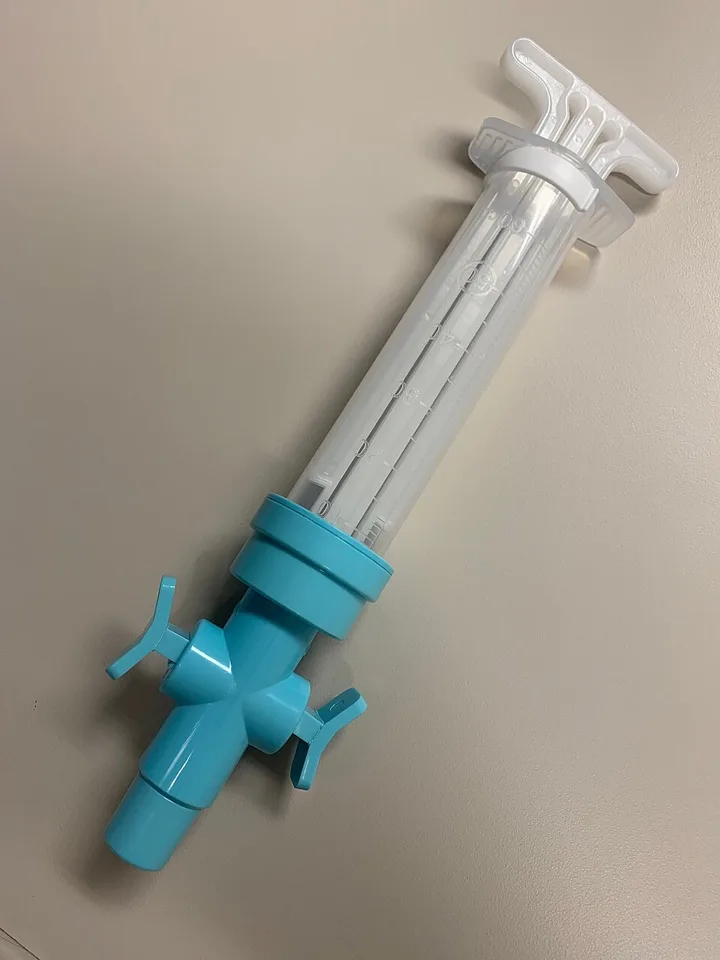
Miscarriage is the spontaneous loss of a pregnancy before viability: before 24 weeks in the UK, or before 20 weeks (or below 500 g) in WHO and US definitions. About 15% of recognised pregnancies miscarry, most before 13 weeks, and the risk rises steeply with maternal age. About half of first-trimester losses are caused by sporadic chromosomal abnormalities, most often autosomal trisomies. Types are threatened, inevitable, incomplete, complete, missed and septic. Diagnosis rests on transvaginal ultrasound: a mean gestational sac diameter of 25 mm or more with no embryo, or a crown–rump length of 7 mm or more with no heartbeat, confirms a non-viable pregnancy (with a second opinion or a repeat scan after 7 days); below these thresholds the scan is repeated. NICE NG126 offers expectant management for 7–14 days first, then medical management (mifepristone 200 mg followed 48 hours later by misoprostol 800 micrograms for missed miscarriage; misoprostol 600 micrograms for incomplete miscarriage) or surgical evacuation, usually manual vacuum aspiration under local anaesthetic. Vaginal micronised progesterone is offered for bleeding in women with a previous miscarriage. Psychological support, anti-D after surgery in Rh D-negative women and histology complete care.
Patient case, mechanism, investigations, management, flashcards and exam-style questions.Open the lesson →
Key facts
- Miscarriage complicates about 15% of recognised pregnancies; risk is about 10% at 20–29 years and over 50% at 45 years or older
- About 50–60% of first-trimester miscarriages are due to chromosomal abnormalities, most commonly autosomal trisomy (trisomy 16), then triploidy and monosomy X
- Non-viability on TVUS (NICE): mean sac diameter 25 mm or more with no fetal pole, or CRL 7 mm or more with no heartbeat; confirm with a second opinion or repeat scan at least 7 days later
- Do not use serum hCG or progesterone alone to diagnose viability of an intrauterine pregnancy
- Expectant management for 7–14 days is first line; urine pregnancy test 3 weeks after bleeding settles
- Medical management (NICE 2023): missed miscarriage – mifepristone 200 mg orally then misoprostol 800 micrograms 48 hours later; incomplete – misoprostol 600 micrograms
- Vaginal micronised progesterone 400 mg twice daily to 16 weeks for early pregnancy bleeding in women with a previous miscarriage once an intrauterine pregnancy is confirmed (PRISM)
- NICE: anti-D 250 IU for Rh D-negative women having surgical management; not needed for threatened, complete or medically managed miscarriage
Differential diagnosis
| Condition | Clues | Key test |
|---|---|---|
| Ectopic pregnancy | Pain, shoulder-tip pain, adnexal tenderness, empty uterus | TVUS adnexal mass; serial hCG |
| Pregnancy of unknown location | Positive test, no pregnancy seen on TVUS | Serial hCG at 0 and 48 hours |
| Molar pregnancy | Heavy bleeding, hyperemesis, uterus large for dates, very high hCG | TVUS (vesicular placenta) and histology of products |
| Cervical ectropion or polyp | Light contact bleeding with a viable pregnancy | Speculum examination |
| Subchorionic haematoma | Bleeding with a viable pregnancy and a crescent of fluid beside the sac | TVUS |
| Implantation bleeding | Light spotting around the time of the expected period | Viable pregnancy on later scan |
| Lower genital tract infection or trauma | Discharge, postcoital bleeding | Speculum examination and swabs |
Exam pearls
Guideline
NICE NG126 Ectopic pregnancy and miscarriage: diagnosis and initial management (2019, updated 2021 and 2023); ACOG Practice Bulletin No. 200 Early pregnancy loss (2018); WHO Abortion care guideline (2022)
References
- National Institute for Health and Care Excellence. Ectopic pregnancy and miscarriage: diagnosis and initial management (NG126). NICE guideline NG126 2019.
- American College of Obstetricians and Gynecologists. Early pregnancy loss (Practice Bulletin No. 200). Obstet Gynecol 2018.
- Quenby S, Gallos ID, Dhillon-Smith RK, et al.. Miscarriage matters: the epidemiological, physical, psychological, and economic costs of early pregnancy loss. Lancet 2021.
- Coomarasamy A, Devall AJ, Cheed V, et al.. A randomized trial of progesterone in women with bleeding in early pregnancy. N Engl J Med 2019.
- Chu JJ, Devall AJ, Beeson LE, et al.. Mifepristone and misoprostol versus misoprostol alone for the management of missed miscarriage (MifeMiso): a randomised, double-blind, placebo-controlled trial. Lancet 2020.
- World Health Organization. Abortion care guideline. WHO 2022.
Related topics
By Dr Khalid Seidi (B.Sc., M.D.) · MedEd World Clinical Knowledge library. Original teaching content checked against current guidelines (November 2026); confirm the latest local guidance before clinical use. Not a substitute for clinical judgement.