Clinical Knowledge › Obstetrics and gynaecology › Early pregnancy problems
Termination of pregnancy
Termination of pregnancy (induced abortion) is common worldwide (about 73 million a year), and unsafe abortion remains a leading preventable cause of maternal death where access is restricted. Law and practice vary between countries; doctors must know their local legal framework and their professional duties, including referral when they hold a conscientious objection. Clinical care is guided by the WHO Abortion care guideline (2022), NICE NG140 (2019) and RCOG best practice (2022). Assessment confirms the pregnancy and its gestation, excludes ectopic pregnancy where risk factors exist, screens for infection and safeguarding concerns (including coercion and domestic abuse) and plans contraception. Medical abortion uses mifepristone 200 mg followed by misoprostol; it is effective at any gestation and can be provided by telemedicine at home in early pregnancy. Surgical options are vacuum aspiration up to about 14 weeks and dilatation and evacuation later. Serious complications are uncommon.
Patient case, mechanism, investigations, management, flashcards and exam-style questions.Open the lesson →
Key facts
- WHO 2022 medical abortion under 12 weeks: mifepristone 200 mg orally, then misoprostol 800 micrograms buccal, sublingual or vaginal 1–2 days later
- At 12 weeks or more: mifepristone 200 mg, then misoprostol 400 micrograms every 3 hours until expulsion (teaching doses; check local protocol)
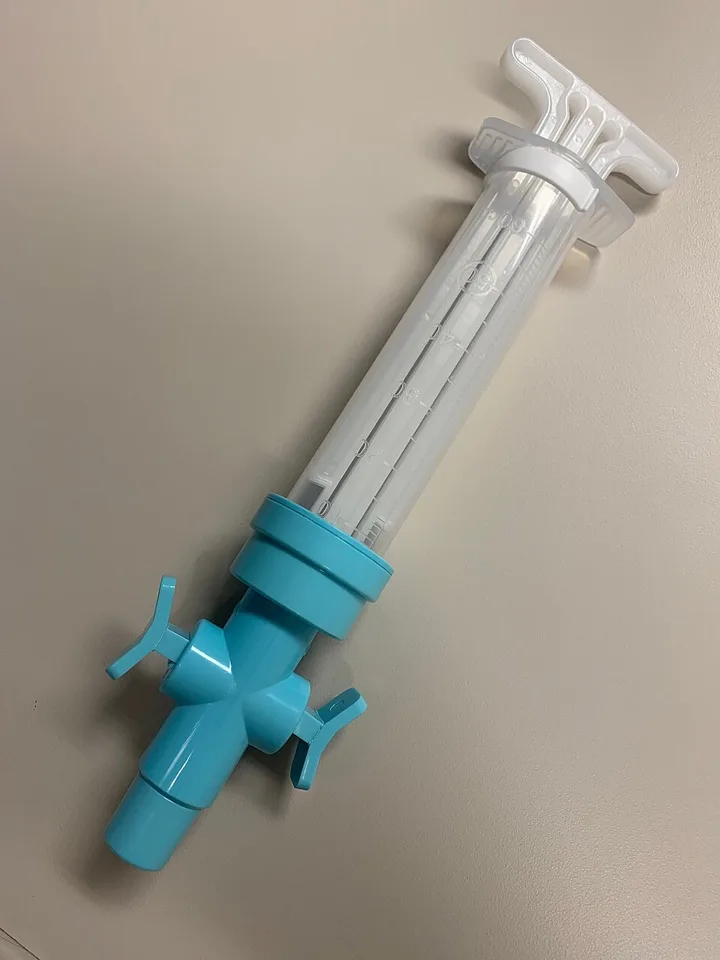
- Surgical options: vacuum aspiration (manual or electric) up to about 14 weeks; dilatation and evacuation (D&E) after 14 weeks, with cervical priming
- Great Britain: Abortion Act 1967 requires two doctors to agree in good faith; most abortions are under ground C before 24 weeks; no time limit for risk to life, grave permanent injury or serious fetal abnormality
- England and Wales allow both early medical abortion medicines to be taken at home up to 9+6 weeks after telemedicine assessment (permanent since 2022)
- NICE NG140: offer anti-D to rhesus-negative women having an abortion after 10+0 weeks; consider it for surgical abortion up to 10+0 weeks; do not offer it for medical abortion up to and including 10+0 weeks
- Mifepristone is a progesterone receptor antagonist; misoprostol is a prostaglandin E1 analogue that ripens the cervix and contracts the uterus
- Abortion does not increase the risk of breast cancer, infertility after uncomplicated procedures, or mental illness compared with continuing an unwanted pregnancy
Differential diagnosis
| Condition | Clues | Key test |
|---|---|---|
| Ectopic pregnancy | Pain, bleeding, risk factors (previous ectopic, IUD in situ), no intrauterine pregnancy on scan | Transvaginal ultrasound and serial hCG |
| Pregnancy of unknown location | Positive test, no pregnancy seen on scan | Serial hCG at 48 hours; follow PUL pathway |
| Missed or incomplete miscarriage | Non-viable pregnancy on ultrasound | Ultrasound: manage as miscarriage |
| Molar pregnancy | Very high hCG, snowstorm scan, early pre-eclampsia | Ultrasound and histology |
| Incomplete abortion after treatment | Persistent heavy bleeding, retained tissue | Clinical review and ultrasound |
| Ongoing pregnancy after medical abortion | Little bleeding, persistent pregnancy symptoms, positive follow-up test | Low-sensitivity or serial hCG test and ultrasound |
| Post-abortion endometritis | Fever, pelvic pain, offensive discharge | Swabs, FBC, CRP, ultrasound for retained products |
Exam pearls
Guideline
WHO Abortion care guideline (2022); NICE NG140 Abortion care (2019); RCOG Best practice in abortion care (2022)
References
- World Health Organization. Abortion care guideline. WHO, Geneva 2022.
- National Institute for Health and Care Excellence. Abortion care (NG140). NICE guideline NG140 2019.
- Royal College of Obstetricians and Gynaecologists. Best practice in abortion care (Best Practice Paper). RCOG 2022.
- American College of Obstetricians and Gynecologists. Practice Bulletin No. 225: Medication abortion up to 70 days of gestation. Obstet Gynecol 2020;136(4):e31-e47 2020.
- Aiken A, Lohr PA, Lord J, Ghosh N, Starling J.. Effectiveness, safety and acceptability of no-test medical abortion (termination of pregnancy) provided via telemedicine: a national cohort study. BJOG 2021.
- Academy of Medical Royal Colleges / National Collaborating Centre for Mental Health. Induced abortion and mental health: a systematic review of the mental health outcomes of induced abortion. AoMRC, London 2011.
Related topics
By Dr Khalid Seidi (B.Sc., M.D.) · MedEd World Clinical Knowledge library. Original teaching content checked against current guidelines (November 2026); confirm the latest local guidance before clinical use. Not a substitute for clinical judgement.