Clinical Knowledge › Internal medicine › Pulmonology › Respiratory infections
Influenza
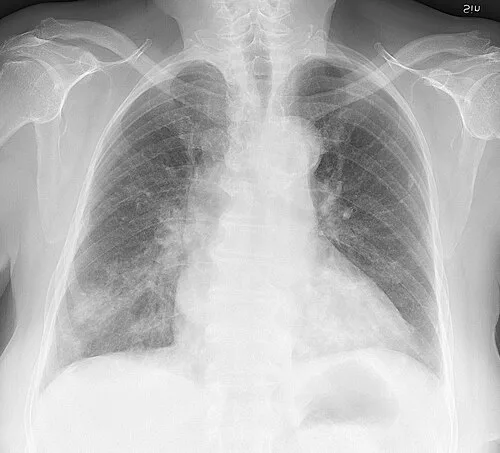
Influenza is an acute respiratory infection caused by influenza A and B viruses, orthomyxoviruses whose haemagglutinin and neuraminidase surface proteins change constantly. Small changes (antigenic drift) cause yearly winter epidemics; reassortment of gene segments between human and animal viruses (antigenic shift) can produce pandemics, and avian H5N1 infections of cattle and people since 2024 keep that risk in view. Illness begins abruptly with fever, myalgia, headache, dry cough and prostration after a 1–4 day incubation. Most people recover within a week, but older adults, pregnant women, young children and people with chronic heart, lung, renal, metabolic or immune disease risk viral pneumonia, secondary bacterial pneumonia (Staphylococcus aureus, pneumococcus), myocarditis, encephalopathy and death. Diagnosis is clinical during outbreaks, confirmed by PCR or rapid molecular tests. Neuraminidase inhibitors (oseltamivir) and the cap-dependent endonuclease inhibitor baloxavir work best within 48 hours; hospitalised and high-risk patients should be treated regardless. WHO 2024 favours oseltamivir for severe illness and baloxavir for high-risk non-severe illness. Annual vaccination of all from 6 months of age is the mainstay of prevention.
Patient case, mechanism, investigations, management, flashcards and exam-style questions.Open the lesson →
Key facts
- Influenza A (subtypes by haemagglutinin H and neuraminidase N, many animal hosts) and B (humans only) cause seasonal epidemics; A alone causes pandemics
- Antigenic drift = point mutations, yearly epidemics; antigenic shift = gene-segment reassortment, pandemics
- Abrupt fever, myalgia, headache, dry cough and prostration; incubation 1–4 days; infectious from a day before to about 5–7 days after symptom onset
- Confirm with PCR or rapid molecular testing when results change management; do not delay antivirals in hospitalised or high-risk patients
- Treat all hospitalised, severe or high-risk patients with antivirals as early as possible, ideally within 48 hours, but still beneficial later in severe illness
- Oseltamivir 75 mg twice daily for 5 days (adjust for renal function); baloxavir single oral dose; zanamivir inhaled (avoid in airway disease)
- Secondary bacterial pneumonia, especially Staphylococcus aureus (including MRSA) and pneumococcus, is a major cause of death
- Annual vaccination is recommended for everyone aged 6 months and over (ACIP 2025–26), with priority for older adults, pregnancy, chronic disease and health workers
Differential diagnosis
| Condition | Clues | Key test |
|---|---|---|
| COVID-19 | Anosmia, longer incubation, similar season | SARS-CoV-2 PCR or multiplex panel |
| RSV infection | Wheeze in infants and older adults, rhinorrhoea | Multiplex respiratory PCR |
| Common cold (rhinovirus) | Gradual onset, nasal symptoms predominate, little fever or myalgia | Clinical |
| Bacterial community-acquired pneumonia | Focal consolidation, purulent sputum, rigors | Chest X-ray, cultures, urinary antigens |
| Dengue or malaria in travellers | Travel to endemic area, thrombocytopenia, rash | NS1 antigen, malaria films or rapid test |
| Meningococcal sepsis | Petechial rash, rapid deterioration, meningism | Blood cultures, lumbar puncture |
| Streptococcal pharyngitis | Exudative tonsillitis, tender nodes, no cough | Rapid antigen test or throat culture |
Exam pearls
Guideline
WHO clinical practice guidelines for influenza (September 2024), IDSA seasonal influenza guideline (2018 update) and CDC/ACIP influenza vaccine recommendations (2025–26 season)
References
- World Health Organization. Clinical practice guidelines for influenza. 2024.
- Vandvik PO, Agarwal A, Rylance J, et al.. Summary of WHO clinical practice guidelines for influenza. BMJ 2026.
- Uyeki TM, Bernstein HH, Bradley JS, et al.. Clinical Practice Guidelines by the Infectious Diseases Society of America: 2018 Update on Diagnosis, Treatment, Chemoprophylaxis, and Institutional Outbreak Management of Seasonal Influenza. Clin Infect Dis 2019.
- Grohskopf LA, Blanton LH, Ferdinands JM, et al.. Prevention and Control of Seasonal Influenza with Vaccines: Recommendations of the Advisory Committee on Immunization Practices - United States, 2025-26 Influenza Season. MMWR Morb Mortal Wkly Rep 2025.
- Monto AS, Kuhlbusch K, Bernasconi C, et al.. Efficacy of Baloxavir Treatment in Preventing Transmission of Influenza. N Engl J Med 2025.
- Jain S, Self WH, Wunderink RG, et al.. Community-Acquired Pneumonia Requiring Hospitalization among U.S. Adults. N Engl J Med 2015.
Related topics
By Dr Khalid Seidi (B.Sc., M.D.) · MedEd World Clinical Knowledge library. Original teaching content checked against current guidelines (November 2026); confirm the latest local guidance before clinical use. Not a substitute for clinical judgement.