Clinical Knowledge › Neurology › Cerebrovascular disease
Ischaemic stroke
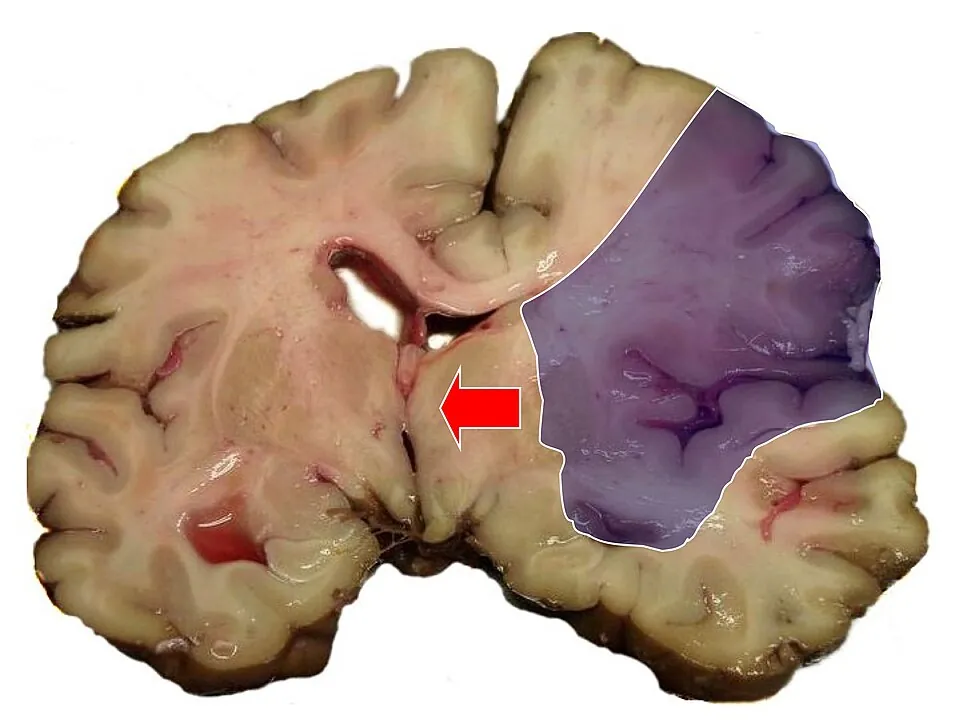
Ischaemic stroke is an episode of neurological dysfunction caused by focal cerebral, spinal or retinal infarction, accounting for about 85% of strokes. Main mechanisms are large-artery atherosclerosis, cardioembolism (especially atrial fibrillation), small-vessel (lacunar) disease, other determined causes and cryptogenic stroke. It presents with sudden focal deficits – hemiparesis, facial weakness, aphasia, neglect, hemianopia, ataxia or vertigo – recognised with FAST/BE-FAST and ROSIER. 'Time is brain': non-contrast CT excludes haemorrhage, and CT angiography identifies large vessel occlusion. Intravenous thrombolysis with tenecteplase or alteplase is given within 4.5 hours (longer with imaging selection); mechanical thrombectomy treats large vessel occlusion up to 24 hours with imaging selection, including selected large-core and basilar occlusions. Stroke unit care, swallow screening, BP and glucose management, early antiplatelet therapy and secondary prevention (statins, BP control, anticoagulation for AF, carotid endarterectomy) reduce death and disability.
Patient case, mechanism, investigations, management, flashcards and exam-style questions.Open the lesson →
Key facts
- About 85% of strokes are ischaemic; leading cause of adult disability worldwide
- IV thrombolysis within 4.5 h: tenecteplase 0.25 mg/kg (max 25 mg) single bolus or alteplase 0.9 mg/kg (max 90 mg; 10% bolus, remainder over 60 min) – teaching doses; check local protocol
- BP must be <185/110 mmHg before thrombolysis and <180/105 mmHg for 24 hours after
- Thrombectomy for anterior large vessel occlusion within 6 h, and 6–24 h with imaging showing salvageable tissue; basilar occlusion within 24 h with NIHSS ≥10 (AHA/ASA 2026)
- Aspirin 300 mg daily for 2 weeks after ischaemic stroke (24 h after thrombolysis), then long-term clopidogrel 75 mg (UK practice)
- Minor non-disabling stroke (NIHSS ≤3): DAPT aspirin + clopidogrel for 21 days rather than thrombolysis
- Symptomatic carotid stenosis 50–99%: carotid endarterectomy ideally within 2 weeks
- Malignant MCA infarction: decompressive hemicraniectomy within 48 h reduces mortality
Differential diagnosis
| Condition | Clues | Key test |
|---|---|---|
| Intracerebral haemorrhage | Sudden deficit with headache, vomiting, high BP; impossible to distinguish clinically | Non-contrast CT |
| Hypoglycaemia | Focal deficit in a diabetic on insulin or sulfonylurea | Capillary glucose |
| Seizure with Todd paresis | Witnessed seizure, post-ictal weakness resolving within 48 h | History, EEG, imaging |
| Migraine with aura | Gradual spread of positive symptoms over minutes, headache | History; imaging if atypical |
| Brain tumour or subdural haematoma | Subacute progressive deficit, headache | CT/MRI |
| Functional neurological disorder | Positive signs, inconsistency | Clinical; imaging normal |
| Sepsis or metabolic encephalopathy unmasking old deficits | Recrudescence of previous stroke signs with infection | Infection screen; imaging |
Exam pearls
Guideline
AHA/ASA 2026 Guideline for the Early Management of Acute Ischaemic Stroke, NICE NG128 (2019, updated 2025) with NICE TA990 tenecteplase (2024), ESO thrombolysis (2021) and tenecteplase expedited recommendation (2023), UK National Clinical Guideline for Stroke (2023) and AHA/ASA 2021 secondary prevention guideline
References
- Prabhakaran S, Gonzalez NR, Zachrison KS, et al.. 2026 Guideline for the Early Management of Patients With Acute Ischemic Stroke. Stroke 2026.
- National Institute for Health and Care Excellence (NICE). Stroke and transient ischaemic attack in over 16s: diagnosis and initial management (NG128). NICE guideline 2019.
- Alamowitch S, Turc G, Palaiodimou L, et al.. European Stroke Organisation (ESO) expedited recommendation on tenecteplase for acute ischaemic stroke. Eur Stroke J 2023.
- Intercollegiate Stroke Working Party. National Clinical Guideline for Stroke for the UK and Ireland. Intercollegiate Stroke Working Party 2023.
- Kleindorfer DO, Towfighi A, Chaturvedi S, et al.. 2021 Guideline for the Prevention of Stroke in Patients With Stroke and Transient Ischemic Attack. Stroke 2021.
- Berge E, Whiteley W, Audebert H, et al.. European Stroke Organisation (ESO) guidelines on intravenous thrombolysis for acute ischaemic stroke. Eur Stroke J 2021.
Related topics
By Dr Khalid Seidi (B.Sc., M.D.) · MedEd World Clinical Knowledge library. Original teaching content checked against current guidelines (November 2026); confirm the latest local guidance before clinical use. Not a substitute for clinical judgement.