Clinical Knowledge › Internal medicine › Haematology and oncology › Clinical problems
Pancytopenia: approach to the patient
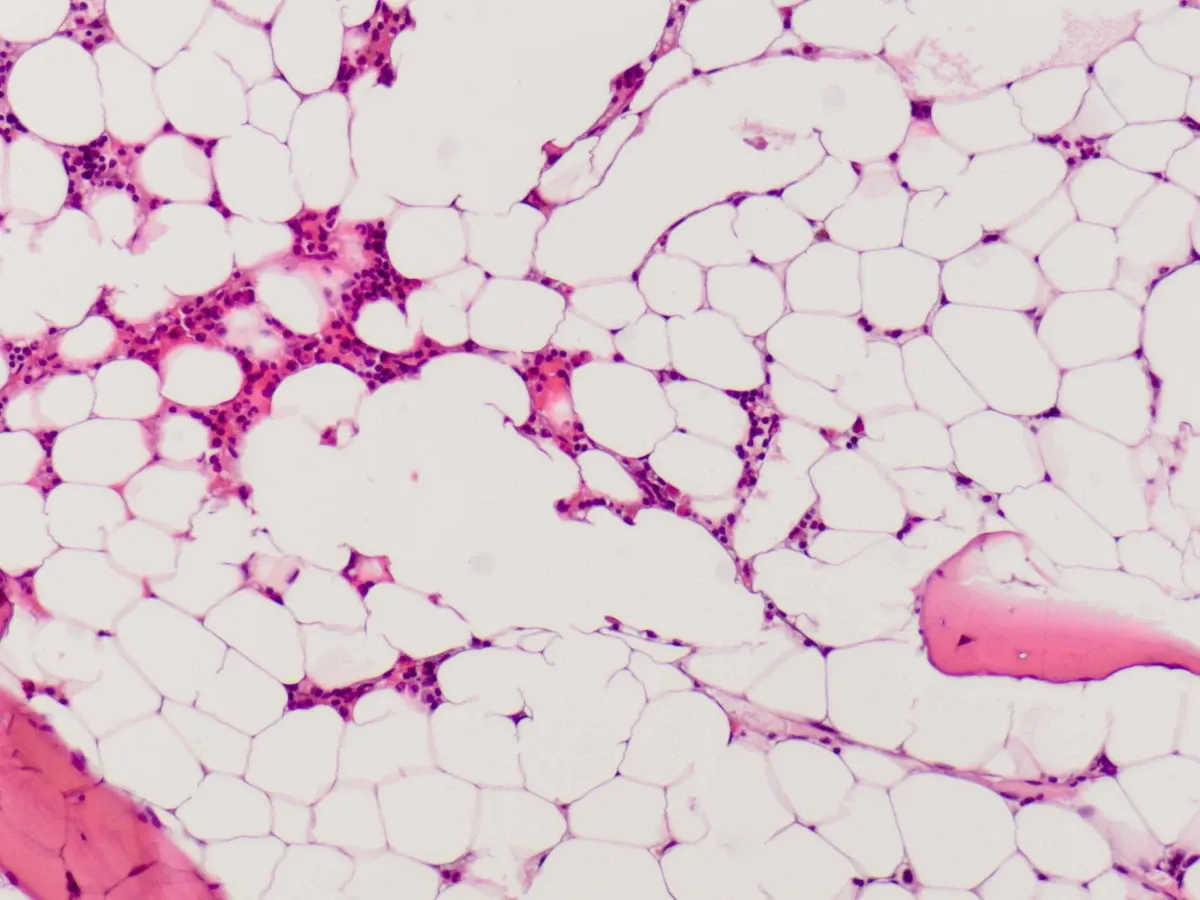
Pancytopenia is a reduction in all three blood cell lines – anaemia, leucopenia (usually neutropenia) and thrombocytopenia. It is a finding, not a diagnosis, and it has three broad mechanisms: the marrow cannot make cells (aplastic anaemia, myelodysplasia, B12 or folate deficiency, drugs, viral infection), the marrow is replaced (acute leukaemia, lymphoma, myeloma, metastatic cancer, fibrosis, tuberculosis) or cells are destroyed or pooled in the periphery (hypersplenism, autoimmune disease, sepsis, haemophagocytic lymphohistiocytosis). The first priorities are safety – neutropenic sepsis, bleeding and symptomatic anaemia – and then a structured search: history of drugs, alcohol, infection and family history; examination for nodes, spleen and liver; and a blood film, reticulocytes, B12, folate, liver tests, HIV and hepatitis serology. Bone marrow aspirate and trephine with cytogenetics are needed when the cause is not obvious. The BSH 2024 aplastic anaemia guideline and the WHO-HAEM5/ICC 2022 classifications frame the specialist work-up.
Patient case, mechanism, investigations, management, flashcards and exam-style questions.Open the lesson →
Key facts
- Pancytopenia: Hb below the WHO threshold, neutrophils <1.5 × 10⁹/L (or WCC <4) and platelets <150 × 10⁹/L
- Three mechanisms: marrow failure, marrow infiltration and peripheral destruction or sequestration
- Low reticulocytes point to marrow failure or infiltration; teardrop cells and a leucoerythroblastic film suggest infiltration or fibrosis
- Commonest causes vary by setting: in hospital, drugs, sepsis, chemotherapy and liver disease; worldwide, megaloblastic anaemia, hypersplenism, infections (HIV, TB, visceral leishmaniasis) and aplastic anaemia
- Fever with neutrophils <0.5 × 10⁹/L is neutropenic sepsis: IV antibiotics within 1 hour
- Severe aplastic anaemia (Camitta): marrow cellularity <25% plus two of neutrophils <0.5, platelets <20, reticulocytes <60 × 10⁹/L (automated)
- Bone marrow aspirate and trephine biopsy with cytogenetics, molecular testing and flow cytometry is the key test when the cause is unclear
- HLH: fever, splenomegaly, cytopenias, very high ferritin, high triglycerides, low fibrinogen – a fatal emergency if missed
Differential diagnosis
| Condition | Clues | Key test |
|---|---|---|
| Megaloblastic anaemia (B12/folate) | Macrocytosis, hypersegmented neutrophils, glossitis, neuropathy, raised LDH | B12, folate, intrinsic factor antibodies |
| Aplastic anaemia | Young adult or older, no splenomegaly, low reticulocytes, hypocellular marrow | Bone marrow trephine; PNH flow cytometry |
| Myelodysplastic neoplasm | Older adult, macrocytosis, dysplastic neutrophils, hypercellular marrow | Marrow with cytogenetics and NGS |
| Acute leukaemia | Blasts on film, bone pain, gum hypertrophy, DIC | Film, marrow, flow cytometry, genetics |
| Hypersplenism | Cirrhosis or portal hypertension, splenomegaly, normal marrow function | Ultrasound spleen and liver, LFTs |
| Drug-induced marrow suppression | Chemotherapy, methotrexate, azathioprine (TPMT/NUDT15), carbimazole, linezolid, chloramphenicol | Drug history; recovery on stopping |
| Infection-associated | HIV, TB, visceral leishmaniasis, brucellosis, viral hepatitis, sepsis | HIV test, cultures, marrow culture, leishmania serology/PCR |
| Haemophagocytic lymphohistiocytosis | Fever, splenomegaly, ferritin >10 000 µg/L, high triglycerides, low fibrinogen | HScore, sCD25, marrow |
Exam pearls
Guideline
BSH Guidelines for the diagnosis and management of adult aplastic anaemia (2024), with WHO-HAEM5 and ICC 2022 classifications of myeloid neoplasms and HLH recommendations (2019)
References
- Kulasekararaj A, Cavenagh J, Dokal I, et al.. Guidelines for the diagnosis and management of adult aplastic anaemia: a British Society for Haematology Guideline. Br J Haematol 2024.
- Young NS.. Aplastic anemia. N Engl J Med 2018.
- Khoury JD, Solary E, Abla O, et al.. The 5th edition of the World Health Organization Classification of Haematolymphoid Tumours: Myeloid and Histiocytic/Dendritic Neoplasms. Leukemia 2022.
- Arber DA, Orazi A, Hasserjian RP, et al.. International Consensus Classification of Myeloid Neoplasms and Acute Leukemias: integrating morphologic, clinical, and genomic data. Blood 2022.
- La Rosée P, Horne A, Hines M, et al.. Recommendations for the management of hemophagocytic lymphohistiocytosis in adults. Blood 2019.
- National Institute for Health and Care Excellence (NICE). Vitamin B12 deficiency in over 16s: diagnosis and management (NG239). NICE guideline 2024.
Related topics
By Dr Khalid Seidi (B.Sc., M.D.) · MedEd World Clinical Knowledge library. Original teaching content checked against current guidelines (November 2026); confirm the latest local guidance before clinical use. Not a substitute for clinical judgement.