Clinical Knowledge › Internal medicine › Haematology and oncology › Clinical problems
Thrombocytopenia: approach to the patient
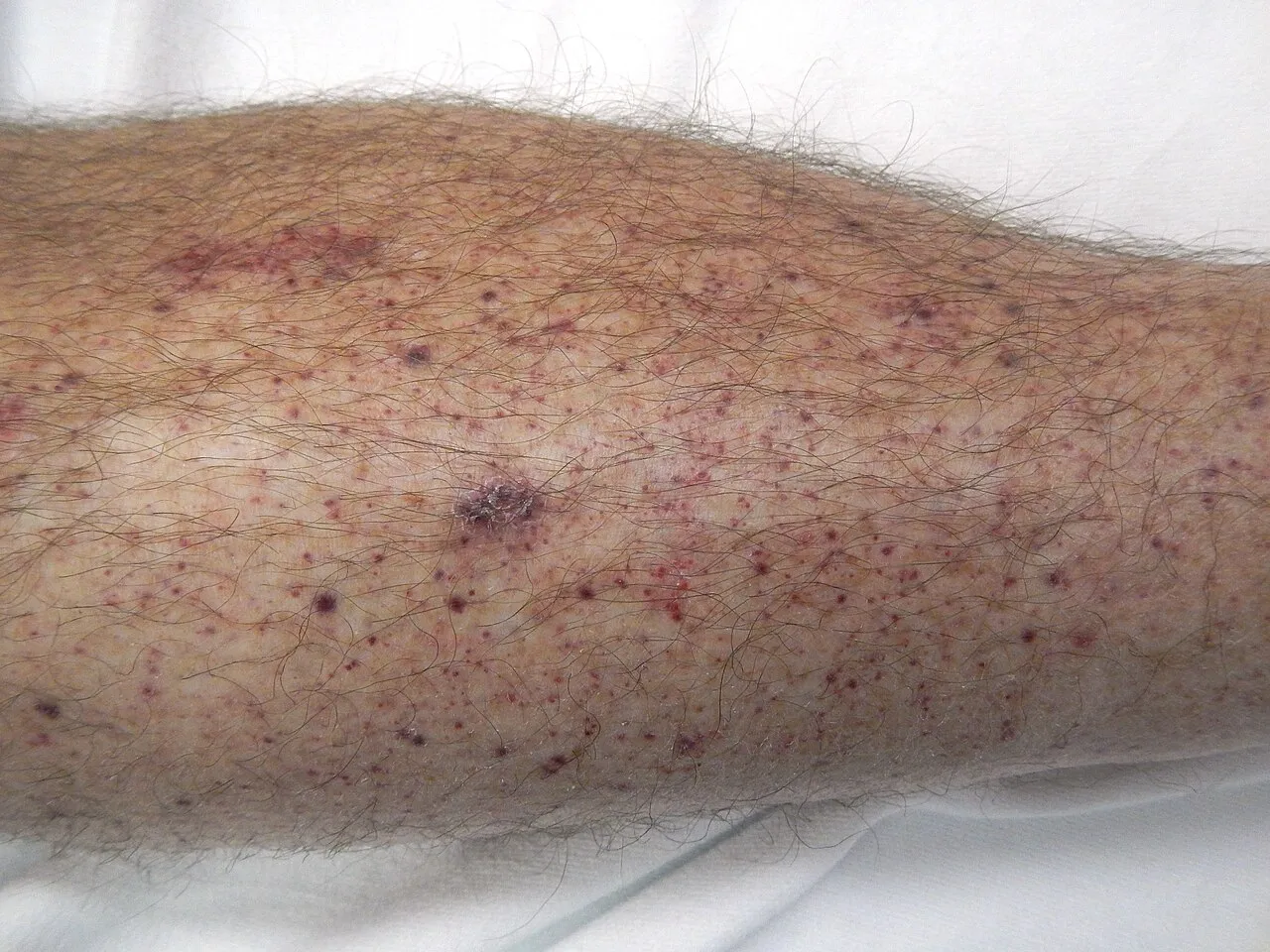
Thrombocytopenia is a platelet count below 150 × 10⁹/L. Spontaneous bleeding is unusual above 20–30 × 10⁹/L unless platelet function is also impaired. The first step is to confirm the result (EDTA clumping causes pseudothrombocytopenia) and look at the whole blood count and film. The cause then falls into four groups: reduced production (marrow failure, infiltration, B12 or folate deficiency, alcohol, drugs, viruses), increased destruction (immune thrombocytopenia, drug-induced, HIT, post-transfusion purpura), consumption (DIC, TTP, HUS, HELLP) and sequestration (hypersplenism). Context matters: in pregnancy think gestational thrombocytopenia, pre-eclampsia/HELLP and ITP; in hospital think sepsis, drugs and heparin. Some causes are emergencies in which platelet transfusion can harm – TTP and HIT – so the 4T score and the PLASMIC score are used early. ITP remains a diagnosis of exclusion, treated when bleeding or platelets fall below about 30 × 10⁹/L.
Patient case, mechanism, investigations, management, flashcards and exam-style questions.Open the lesson →
Key facts
- Thrombocytopenia: platelets <150 × 10⁹/L; bleeding risk rises below about 20–30 × 10⁹/L and spontaneous serious bleeding mostly below 10 × 10⁹/L
- Always exclude EDTA pseudothrombocytopenia: platelet clumps on the film, normal count in a citrate tube
- Isolated thrombocytopenia with a normal film and no other cause = ITP until proven otherwise (platelets <100 × 10⁹/L)
- Schistocytes + thrombocytopenia = thrombotic microangiopathy: TTP until ADAMTS13 excludes it (activity <10%)
- HIT: platelet fall >50% 5–10 days after heparin, with thrombosis; 4T score ≥4 → stop all heparin and start a non-heparin anticoagulant
- Do not transfuse platelets in TTP or HIT unless life-threatening bleeding
- Gestational thrombocytopenia: mild (usually >70 × 10⁹/L), late pregnancy, no fetal risk, resolves after delivery
- Prophylactic platelet transfusion threshold in marrow failure: <10 × 10⁹/L; higher for procedures (for example <50 for most major surgery, <100 for neurosurgery)
Differential diagnosis
| Condition | Clues | Key test |
|---|---|---|
| Immune thrombocytopenia (ITP) | Isolated low platelets, large platelets on film, otherwise well | Diagnosis of exclusion: film, HIV, HCV, H. pylori |
| Thrombotic thrombocytopenic purpura | Schistocytes, haemolysis, neurological signs, fever, mild renal injury | ADAMTS13 activity <10%; PLASMIC score |
| Heparin-induced thrombocytopenia | Platelet fall >50% days 5–10 of heparin, new thrombosis | 4T score, anti-PF4/heparin immunoassay, functional assay |
| Disseminated intravascular coagulation | Sepsis, trauma, malignancy; prolonged PT, low fibrinogen, high D-dimer | ISTH DIC score |
| Drug-induced immune thrombocytopenia | Abrupt severe fall 1–2 weeks after quinine, vancomycin, piperacillin, linezolid, sulfonamides | Stop drug; recovery in days |
| Hypersplenism | Cirrhosis, splenomegaly, mild-moderate thrombocytopenia | Ultrasound, LFTs |
| Marrow failure or infiltration | Other cytopenias, blasts, teardrop cells | Film, bone marrow |
| EDTA pseudothrombocytopenia | No bleeding; clumps on film | Repeat count in citrate |
Exam pearls
Guideline
International consensus report on ITP (2019) and ASH 2019 ITP guideline, with ASH 2018 HIT guideline, ISTH 2020 TTP guideline and ISTH 2025 DIC scoring
References
- Provan D, Arnold DM, Bussel JB, et al.. Updated international consensus report on the investigation and management of primary immune thrombocytopenia. Blood Adv 2019.
- Neunert C, Terrell DR, Arnold DM, et al.. American Society of Hematology 2019 guidelines for immune thrombocytopenia. Blood Adv 2019.
- Cuker A, Arepally GM, Chong BH, et al.. American Society of Hematology 2018 guidelines for management of venous thromboembolism: heparin-induced thrombocytopenia. Blood Adv 2018.
- Lo GK, Juhl D, Warkentin TE, et al.. Evaluation of pretest clinical score (4 T's) for the diagnosis of heparin-induced thrombocytopenia in two clinical settings. J Thromb Haemost 2006.
- Zheng XL, Vesely SK, Cataland SR, et al.. ISTH guidelines for treatment of thrombotic thrombocytopenic purpura. J Thromb Haemost 2020.
- Bendapudi PK, Hurwitz S, Fry A, et al.. Derivation and external validation of the PLASMIC score for rapid assessment of adults with thrombotic microangiopathies: a cohort study. Lancet Haematol 2017.
Related topics
By Dr Khalid Seidi (B.Sc., M.D.) · MedEd World Clinical Knowledge library. Original teaching content checked against current guidelines (November 2026); confirm the latest local guidance before clinical use. Not a substitute for clinical judgement.