Clinical Knowledge › Surgery › Trauma and emergency surgery
Primary survey and trauma resuscitation (ATLS)
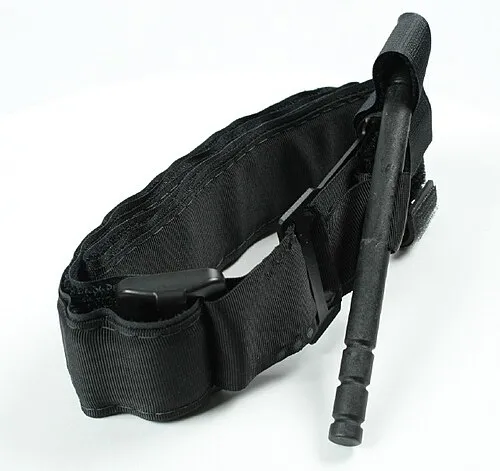
Injury is a leading cause of death in people under 45 worldwide, and many early deaths are preventable. The Advanced Trauma Life Support (ATLS) approach, now in its 11th edition (American College of Surgeons, 2025), gives a team a common language: a rapid primary survey that finds and treats immediately life-threatening problems in order of what kills first, with resuscitation running alongside. The 11th edition formalises the sequence as xABCDE: control of exsanguinating external haemorrhage (x) with pressure, tourniquets, packing and pelvic binders; airway with selective spinal motion restriction (A); breathing and ventilation, treating tension pneumothorax, open pneumothorax, massive haemothorax and flail chest (B); circulation with haemorrhage control, early blood products, tranexamic acid and permissive hypotension (C); disability, checking GCS, pupils and glucose (D); and exposure with prevention of hypothermia (E). Adjuncts such as eFAST, chest and pelvic radiographs and blood gases guide decisions; the patient is reassessed after every intervention. The secondary survey follows only when vital functions are stable, and the key decision is often early transfer to theatre, interventional radiology or a major trauma centre.
Patient case, mechanism, investigations, management, flashcards and exam-style questions.Open the lesson →
Key facts
- ATLS 11th edition (2025) primary survey: xABCDE, starting with control of exsanguinating external haemorrhage
- Treat as you find: each life threat is managed before moving on, then reassess after every intervention
- Definitive airway indications include GCS 8 or less, airway obstruction or burns, inability to oxygenate or ventilate, and risk of aspiration
- Tension pneumothorax is a clinical diagnosis: decompress immediately (adults: 4th or 5th intercostal space just anterior to the mid-axillary line) then insert a chest drain
- Hidden sites of bleeding: 'on the floor and four more' – chest, abdomen, pelvis and long bones (plus external)
- Haemorrhagic shock: limit crystalloid, give blood early (balanced ratios or whole blood), tranexamic acid 1 g within 3 hours, permissive hypotension until haemorrhage control (not in head injury)
- Lethal triad of hypothermia, acidosis and coagulopathy (plus hypocalcaemia) is prevented by damage control resuscitation
- The secondary survey (AMPLE history and head-to-toe examination) begins only after the primary survey is complete and resuscitation is under way
Differential diagnosis
| Condition | Clues | Key test |
|---|---|---|
| Haemorrhagic (hypovolaemic) shock | Tachycardia, cool peripheries, flat neck veins, obvious or concealed bleeding | eFAST, chest and pelvic X-ray, lactate and base deficit |
| Tension pneumothorax | Respiratory distress, absent breath sounds, hyper-resonance, hypotension, distended neck veins, tracheal deviation (late) | Clinical; decompress immediately |
| Cardiac tamponade | Penetrating chest wound, Beck triad (hypotension, raised JVP, muffled heart sounds) | eFAST pericardial view |
| Neurogenic shock | Hypotension with bradycardia, warm peripheries, spinal cord injury above T6 | Neurological examination, spinal imaging after excluding bleeding |
| Massive haemothorax | Dull percussion, absent breath sounds, shock, flat neck veins | Chest X-ray, eFAST, chest drain output |
| Traumatic brain injury with raised ICP | Falling GCS, unequal pupils, hypertension with bradycardia (Cushing response, late) | CT head |
| Blunt cardiac injury | Sternal fracture, arrhythmia, hypotension | ECG, troponin, echocardiography |
Exam pearls
Guideline
Advanced Trauma Life Support (ATLS) 11th edition (American College of Surgeons Committee on Trauma, 2025); NICE NG39 Major trauma: assessment and initial management (2016); European guideline on management of major bleeding and coagulopathy following trauma, 6th edition (2023); NICE NG232 Head injury (2023)
References
- American College of Surgeons Committee on Trauma. Advanced Trauma Life Support (ATLS) Student Course Manual. 11th ed. Chicago: American College of Surgeons 2025.
- National Institute for Health and Care Excellence (NICE). Major trauma: assessment and initial management (NG39). NICE guideline 2016.
- Rossaint R, Afshari A, Bouillon B, et al.. The European guideline on management of major bleeding and coagulopathy following trauma: sixth edition. Crit Care 2023.
- CRASH-2 trial collaborators; Shakur H, Roberts I, Bautista R, et al.. Effects of tranexamic acid on death, vascular occlusive events, and blood transfusion in trauma patients with significant haemorrhage (CRASH-2): a randomised, placebo-controlled trial. Lancet 2010.
- Holcomb JB, Tilley BC, Baraniuk S, et al.. Transfusion of plasma, platelets, and red blood cells in a 1:1:1 vs a 1:1:2 ratio and mortality in patients with severe trauma: the PROPPR randomized clinical trial. JAMA 2015.
- Jansen JO, Hudson J, Cochran C, et al.. Emergency department resuscitative endovascular balloon occlusion of the aorta in trauma patients with exsanguinating hemorrhage: the UK-REBOA randomized clinical trial. JAMA 2023.
Related topics
By Dr Khalid Seidi (B.Sc., M.D.) · MedEd World Clinical Knowledge library. Original teaching content checked against current guidelines (November 2026); confirm the latest local guidance before clinical use. Not a substitute for clinical judgement.