Clinical Knowledge › Obstetrics and gynaecology › Labour and delivery
Analgesia in labour
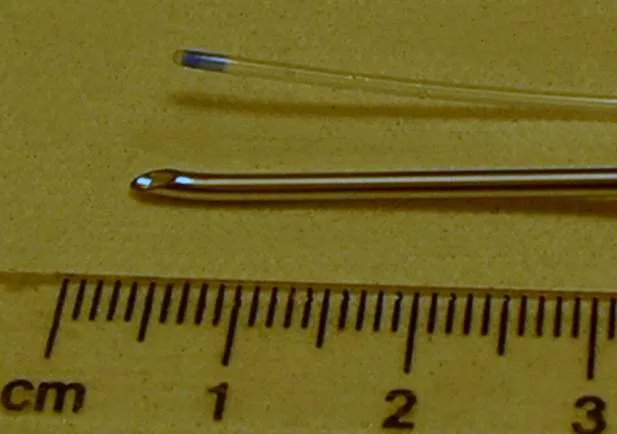
Labour pain arises from uterine contractions and cervical dilatation in the first stage (visceral, T10–L1) and from stretching of the vagina and perineum in the second stage (somatic, pudendal nerve S2–S4). Options form a ladder chosen by the woman: support, mobility, water immersion and breathing techniques; inhaled nitrous oxide and oxygen (50:50); systemic opioids such as intramuscular pethidine or diamorphine, or remifentanil PCA with close monitoring; and regional (neuraxial) analgesia. Epidural analgesia with low-concentration local anaesthetic and opioid is the most effective method; it does not increase caesarean birth but is associated with a longer second stage and more instrumental births. Neuraxial techniques need checks for coagulopathy, low platelets, anticoagulant timing, infection and hypovolaemia, and carry risks such as hypotension, fever, motor block, accidental dural puncture with headache, local anaesthetic toxicity and, rarely, epidural haematoma or abscess. Opioids can cause neonatal respiratory depression, so newborn resuscitation must be available.
Patient case, mechanism, investigations, management, flashcards and exam-style questions.Open the lesson →
Key facts
- First-stage pain is visceral via T10–L1 afferents; second-stage pain is somatic via the pudendal nerve (S2–S4)
- Epidural is the most effective analgesia; low-dose mixtures (e.g. bupivacaine 0.0625–0.1% with fentanyl 2 micrograms/mL) are recommended (teaching dose; check local protocol)
- Epidural does not increase caesarean birth or long-term backache but lengthens the second stage and increases instrumental birth
- Nitrous oxide 50:50 with oxygen (Entonox) works within about 30 seconds; start inhaling at the onset of a contraction; causes nausea and light-headedness
- IM pethidine 50–100 mg or diamorphine 5–10 mg (teaching doses) give modest relief; cause maternal nausea and sedation and neonatal respiratory depression and poor feeding
- Remifentanil PCA (ultra-short-acting) needs one-to-one care and continuous oxygen saturation monitoring because of maternal respiratory depression
- Neuraxial contraindications: refusal, coagulopathy, platelets usually below 70–75 × 10⁹/L, infection at site, uncorrected hypovolaemia, raised intracranial pressure; timing after LMWH (12 hours prophylactic, 24 hours therapeutic)
- After an epidural is sited or topped up: BP every 5 minutes for 15 minutes and continuous CTG for at least 30 minutes
Differential diagnosis
| Condition | Clues | Key test |
|---|---|---|
| Inadequate or one-sided epidural block | Patchy or unilateral sensory loss, breakthrough pain | Assess block height with cold; reposition or resite catheter |
| Post-dural puncture headache | Fronto-occipital headache worse sitting/standing, relieved lying, after neuraxial block | Clinical diagnosis; exclude pre-eclampsia, cerebral venous thrombosis |
| Epidural haematoma or abscess | Severe back pain, new leg weakness or numbness outlasting the block, bladder dysfunction | Urgent MRI of the spine; neurosurgical review |
| Uterine rupture or abruption masked by epidural | Breakthrough constant pain despite a working epidural, abnormal CTG | Clinical review, CTG, ultrasound if stable |
| Local anaesthetic systemic toxicity | Perioral tingling, tinnitus, agitation, seizures, arrhythmia | Clinical; stop injection, lipid emulsion |
| Postpartum nerve palsy (obstetric) | Foot drop or thigh numbness from compression during labour | Neurological examination; distinguish from neuraxial injury |
Exam pearls
Guideline
NICE NG235 Intrapartum care (2023, pain relief sections); ACOG Practice Bulletin No. 209 Obstetric analgesia and anesthesia (2019); WHO recommendations: intrapartum care for a positive childbirth experience (2018)
References
- National Institute for Health and Care Excellence. Intrapartum care (NG235). NICE guideline NG235 2023.
- American College of Obstetricians and Gynecologists. ACOG Practice Bulletin No. 209: Obstetric analgesia and anesthesia. Obstet Gynecol 2019.
- World Health Organization. WHO recommendations: intrapartum care for a positive childbirth experience. World Health Organization, Geneva 2018.
- Wilson MJA, MacArthur C, Hewitt CA, et al.. Intravenous remifentanil patient-controlled analgesia versus intramuscular pethidine for pain relief in labour (RESPITE): an open-label, multicentre, randomised controlled trial. Lancet 2018.
- Anim-Somuah M, Smyth RM, Cyna AM, Cuthbert A.. Epidural versus non-epidural or no analgesia for pain management in labour. Cochrane Database Syst Rev 2018.
- National Institute for Health and Care Excellence. Fetal monitoring in labour (NG229). NICE guideline NG229 2022.
Related topics
By Dr Khalid Seidi (B.Sc., M.D.) · MedEd World Clinical Knowledge library. Original teaching content checked against current guidelines (November 2026); confirm the latest local guidance before clinical use. Not a substitute for clinical judgement.