Clinical Knowledge › Internal medicine › Endocrinology › Relevant pharmacology
Bisphosphonates and other bone-active drugs
Bone-active drugs either slow bone resorption (antiresorptives) or build new bone (anabolics). Bisphosphonates – oral alendronate and risedronate, intravenous zoledronic acid – bind to bone mineral and are taken up by osteoclasts, where nitrogen-containing agents block farnesyl pyrophosphate synthase and trigger osteoclast apoptosis. They reduce vertebral fractures by about 40–70% and hip fractures by about 40%, and remain first-line for most people with osteoporosis. Oral forms need careful fasting technique to avoid oesophagitis and poor absorption; all require adequate calcium, vitamin D and kidney function. Denosumab, a RANKL antibody given every 6 months, works in CKD but must never be stopped without follow-on bisphosphonate because of rebound vertebral fractures. Teriparatide and abaloparatide (PTH/PTHrP analogues) and romosozumab (sclerostin antibody) are anabolic agents used first in very high fracture risk, followed by an antiresorptive. Raloxifene and HRT are options in selected women. Rare long-term harms – atypical femoral fractures and osteonecrosis of the jaw – underpin drug holidays after 3–5 years in lower-risk patients. NOGG 2024 and Endocrine Society guidance direct choice; the same drugs treat Paget disease and hypercalcaemia of malignancy.
Patient case, mechanism, investigations, management, flashcards and exam-style questions.Open the lesson →
Key facts
- Nitrogen-containing bisphosphonates inhibit farnesyl pyrophosphate synthase in osteoclasts; oral bioavailability is under 1%
- Teaching doses: alendronate 70 mg weekly, risedronate 35 mg weekly, zoledronic acid 5 mg IV yearly, denosumab 60 mg s.c. 6-monthly (check local formulary)
- Take oral bisphosphonates fasting with a full glass of plain water, stay upright and wait 30 minutes (60 for ibandronate) before food, drink or other drugs
- Correct vitamin D deficiency and hypocalcaemia before starting; avoid bisphosphonates if creatinine clearance is below about 30–35 mL/min
- Denosumab discontinuation causes rebound bone loss and multiple vertebral fractures; follow with a bisphosphonate and never delay doses beyond 7 months
- Anabolic first (romosozumab, teriparatide, abaloparatide) for very high fracture risk, then an antiresorptive to keep the gain
- Romosozumab is contraindicated after myocardial infarction or stroke (cardiovascular signal in ARCH)
- Drug holiday: reassess after 5 years oral or 3 years IV bisphosphonate; continue if still high risk (previous hip or vertebral fracture, age 70 or over, high-dose glucocorticoids)
Differential diagnosis
| Condition | Clues | Key test |
|---|---|---|
| Atypical femoral fracture | Thigh or groin ache after years of bisphosphonate; transverse lateral cortical fracture | Full-length femur X-ray of both sides |
| Medication-related osteonecrosis of the jaw | Exposed jaw bone for more than 8 weeks after extraction | Dental examination; panoramic X-ray |
| Pill oesophagitis | Retrosternal pain and odynophagia with oral bisphosphonate | Review technique; endoscopy if persistent |
| Acute phase reaction | Fever, myalgia 1–3 days after first zoledronic acid infusion | Clinical; paracetamol |
| Hypocalcaemia | Tingling, cramps after IV bisphosphonate or denosumab with low vitamin D or CKD | Serum calcium, vitamin D |
| Osteomalacia | Bone pain, low phosphate, raised ALP, Looser zones | Vitamin D, phosphate, ALP before antiresorptive |
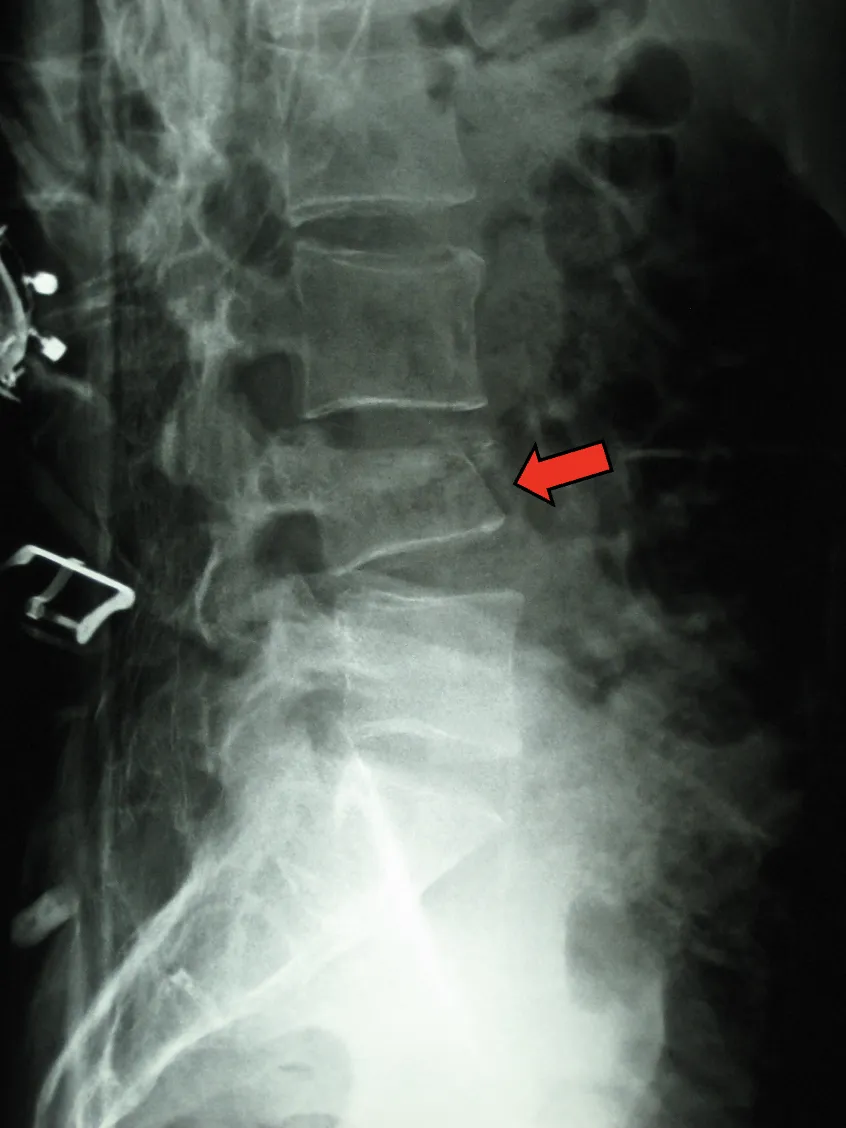
| Rebound vertebral fractures | Multiple new vertebral fractures months after stopping denosumab | Spine X-ray; restart denosumab, then bisphosphonate |
Exam pearls
Guideline
NOGG 2024 UK clinical guideline for osteoporosis; Endocrine Society 2019 guideline on pharmacological management of postmenopausal osteoporosis (2020 update); AACE/ACE 2020 guideline
References
- Eastell R, Rosen CJ, Black DM, et al.. Pharmacological management of osteoporosis in postmenopausal women: an Endocrine Society clinical practice guideline. J Clin Endocrinol Metab 2019.
- Shoback D, Rosen CJ, Black DM, et al.. Pharmacological management of osteoporosis in postmenopausal women: an Endocrine Society guideline update. J Clin Endocrinol Metab 2020.
- National Osteoporosis Guideline Group (NOGG). The 2024 UK clinical guideline for the prevention and treatment of osteoporosis. Arch Osteoporos 2025.
- Camacho PM, Petak SM, Binkley N, et al.. American Association of Clinical Endocrinologists/American College of Endocrinology clinical practice guidelines for the diagnosis and treatment of postmenopausal osteoporosis—2020 update. Endocr Pract 2020.
- Black DM, Delmas PD, Eastell R, et al.. Once-yearly zoledronic acid for treatment of postmenopausal osteoporosis. N Engl J Med 2007.
- Cummings SR, San Martin J, McClung MR, et al.. Denosumab for prevention of fractures in postmenopausal women with osteoporosis. N Engl J Med 2009.
Related topics
By Dr Khalid Seidi (B.Sc., M.D.) · MedEd World Clinical Knowledge library. Original teaching content checked against current guidelines (November 2026); confirm the latest local guidance before clinical use. Not a substitute for clinical judgement.